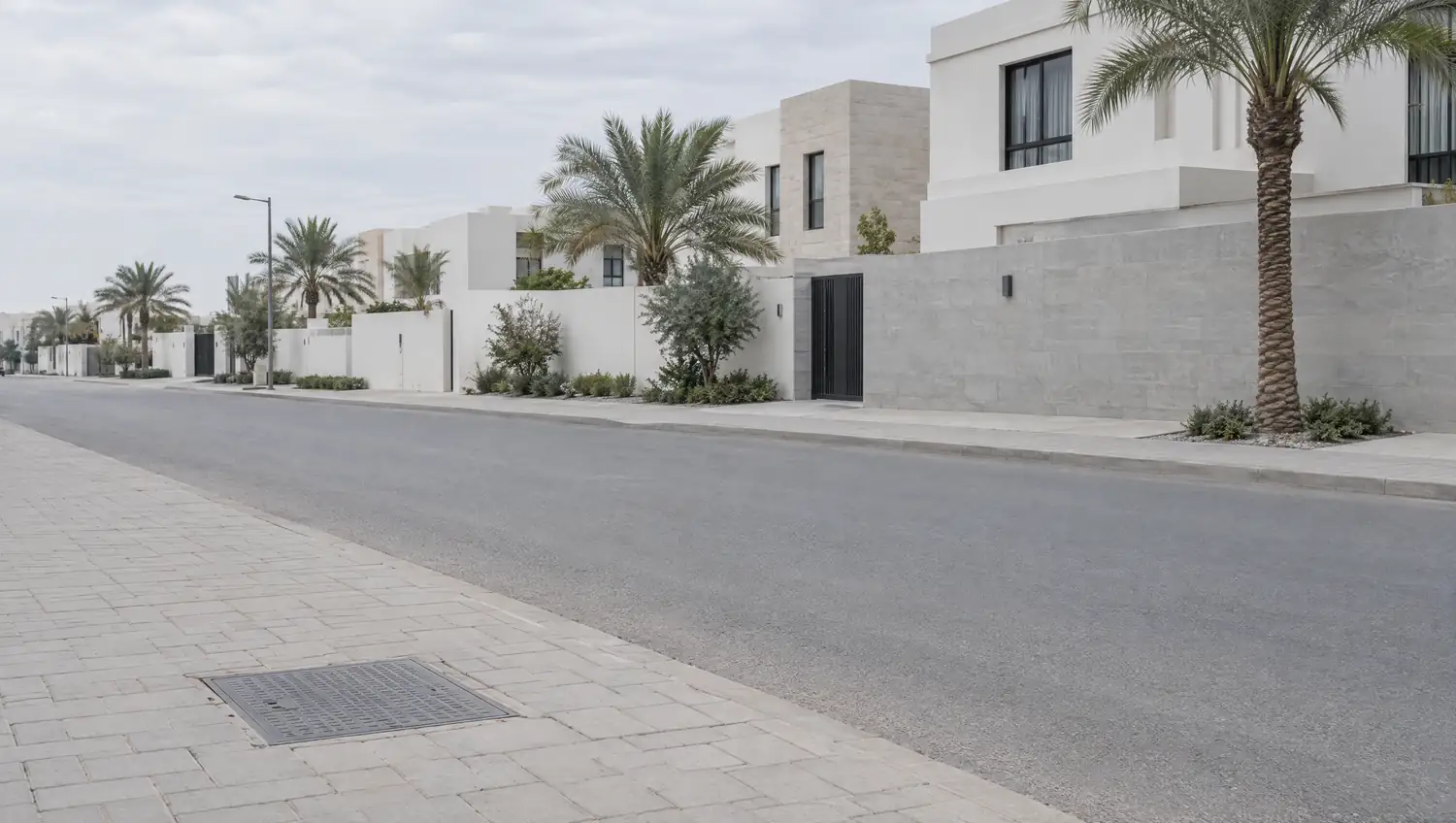
Network route planning
Drain routes mapped against the site plan and building layout
Ahmadi
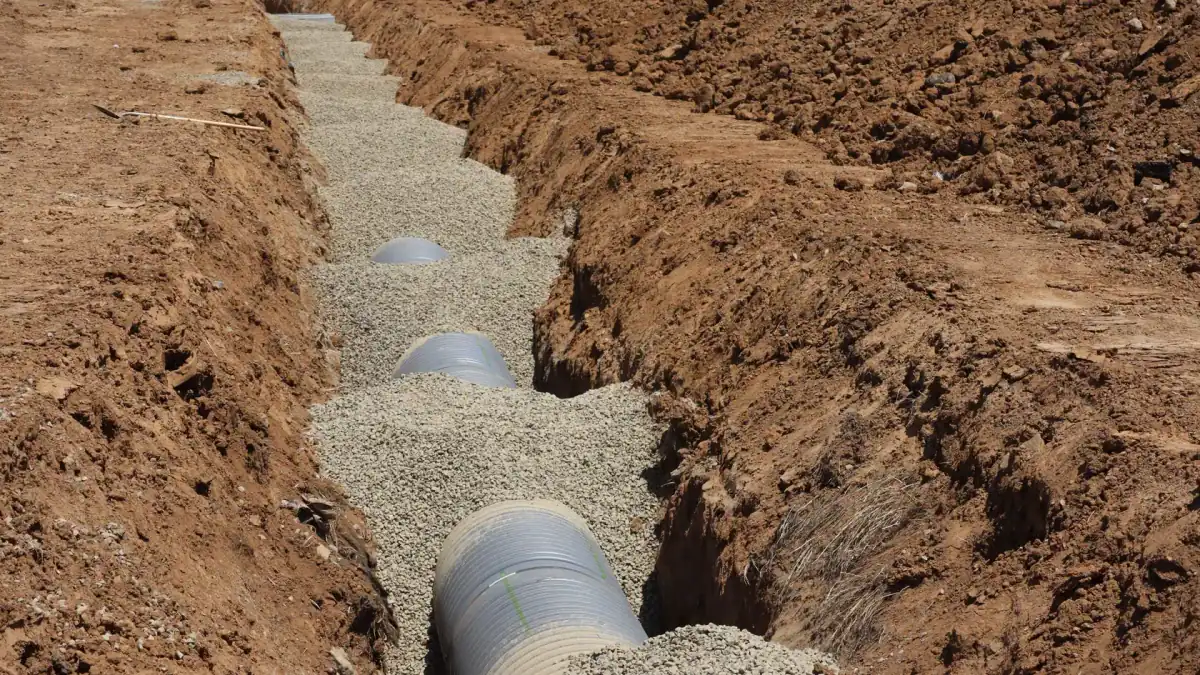
Sewer network installation at Ahmadi Stables begins by mapping pipe routes from the stables and service buildings to the boundary chamber. We determine ground levels and required falls, then excavate the trench to proper depth. Main and branch drains are laid and each section is tested before final backfill.
Ahmadi Stables has several separated buildings, communal bathrooms and cleaning rooms, and drainage from each point must slope towards one main line. We check the height difference between the highest and lowest stable because wrong fall causes water to stagnate or flow too fast. The correct network collects all branch pipes at inspection points before reaching the boundary chamber.
Ahmadi Stables sits in Ahmadi governorate, a specialized zone holding the horse racing track and training and maintenance facilities.
Each main pipe is filled with running water and observed for one minute to confirm soil is not seeping into it.
Drain routes mapped against the site plan and building layout
Pipes set at calculated gradients on compacted sand bedding to prevent sagging
Chambers built at every change of direction for future maintenance access
Network pressure-tested before backfilling to confirm all joints are sealed
In-line filming reveals any deflection or cracked joint before trench closure
Drain networks for new construction and building extensions to the same standard
How we work

Tell us what is happening and where, and the right equipment is loaded before we arrive.
We film the line from inside and know the kind of blockage and its exact place. No guessing.
High pressure water, a machine or a drain snake, whichever the line actually needs.
The camera runs a second pass and you see the line clear with your own eyes before we leave.
Same method, same equipment. Only the size of the job changes.
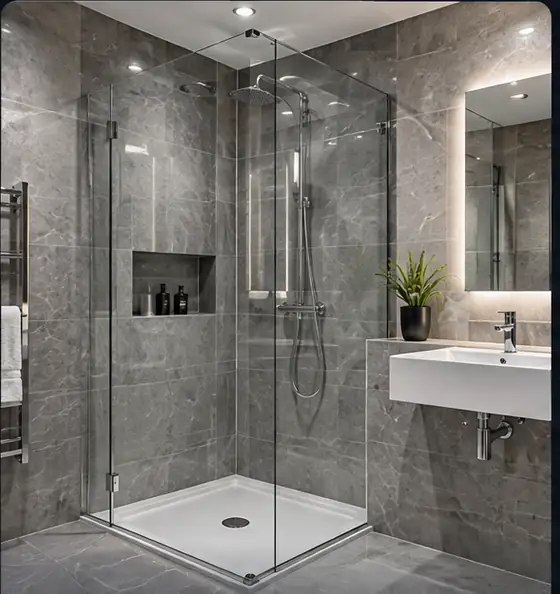
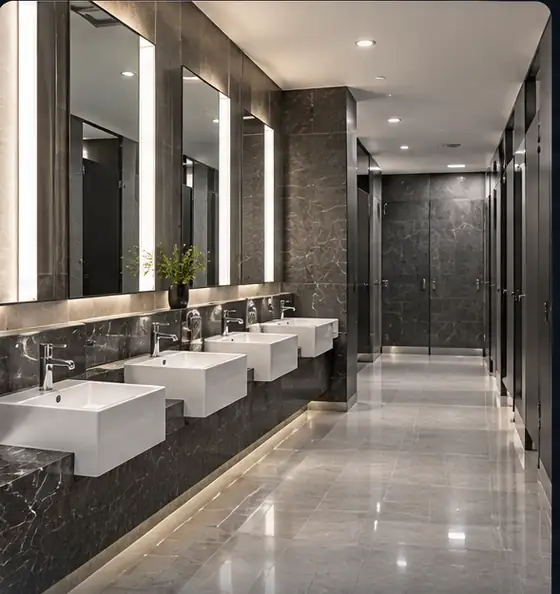
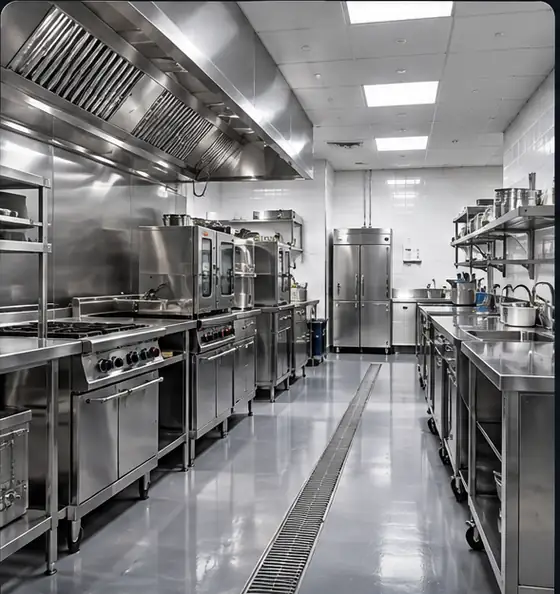
Why us
Amana means trust. Someone else's home is not ours to be careless in.
Do not take our word for it. Look at the line yourself.
Breaking is the last resort, never the first step.
A blocked line does not wait for the morning.
Six governorates, 139 areas.
For buildings and complexes, servicing before the problem starts.
Restaurants, offices and complexes, not only homes.
Common questions
Need someone now? The emergency line is open any hour.
+965 9668 4964
We use a laser level to measure rise and fall along each branch and main line. The target is roughly 1 cm drop per metre of length, and if the fall is too shallow or too steep we adjust the pipe position before testing.
Sediment and grease build up in long pipe runs and block flow, so we place inspection points roughly every 30 metres. Each point allows the network to be cleaned easily if a blockage occurs.