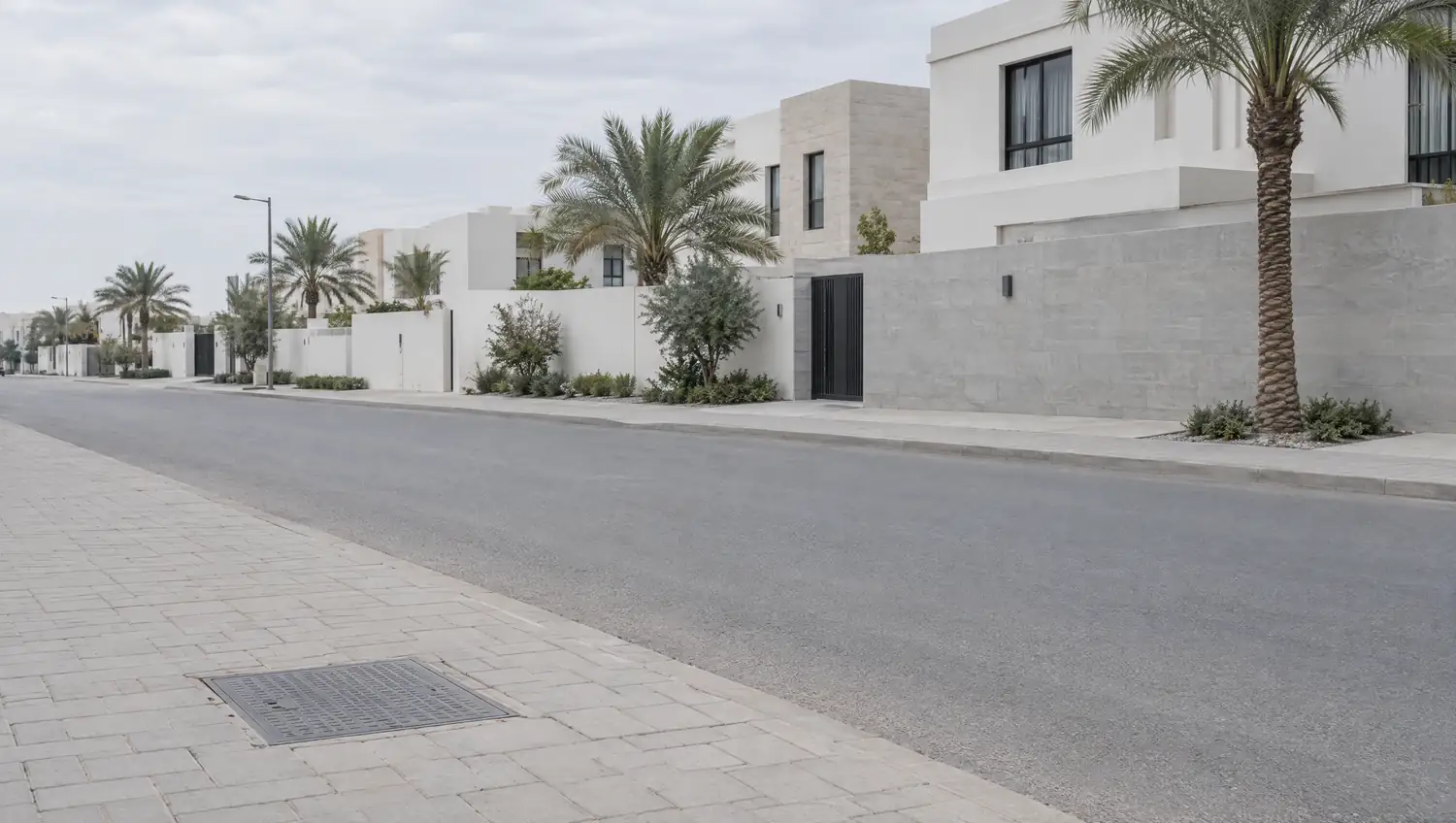
Network route planning
Drain routes mapped against the site plan and building layout
Farwaniya
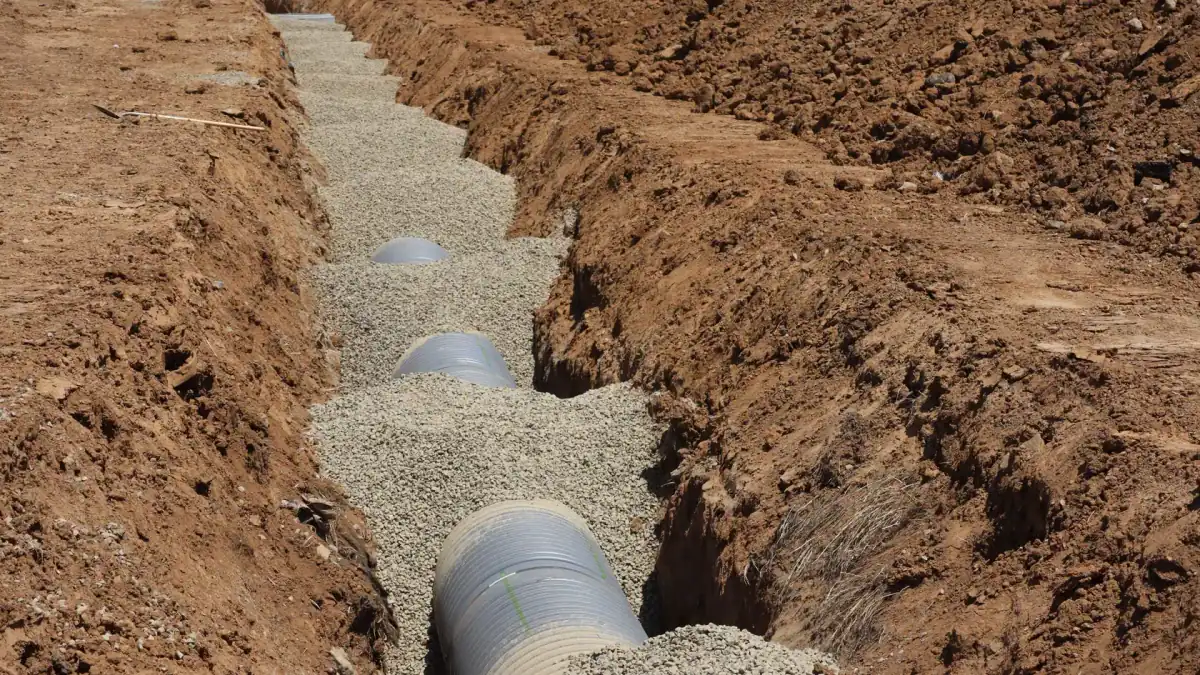
Creating the sewer network in Ishbiliya involves mapping the entire route from fixture outlets inside the house to the boundary chamber. We set pipe diameters and falls based on appliance count and house position. We lay the network, bury it properly and run a complete test before handover.
Ishbiliya plots are medium-sized with front and rear gardens clearly laid out, making it easy to choose an optimal pipe route away from roots and foundations. We inspect soil depth and areas where water might collect before digging. Plastic pipes used here are buried in clean sand with 15 centimetre thickness above and below to spread pressure evenly. The inspection chamber on the boundary sits at a height allowing easy access for cleaning and maintenance.
Ishbiliya is in Farwaniya governorate, a quiet family residential area with relatively uniform house designs.
The network is tested with red dye in water to confirm steady water flow through every section.
Drain routes mapped against the site plan and building layout
Pipes set at calculated gradients on compacted sand bedding to prevent sagging
Chambers built at every change of direction for future maintenance access
Network pressure-tested before backfilling to confirm all joints are sealed
In-line filming reveals any deflection or cracked joint before trench closure
Drain networks for new construction and building extensions to the same standard
How we work

Tell us what is happening and where, and the right equipment is loaded before we arrive.
We film the line from inside and know the kind of blockage and its exact place. No guessing.
High pressure water, a machine or a drain snake, whichever the line actually needs.
The camera runs a second pass and you see the line clear with your own eyes before we leave.
Same method, same equipment. Only the size of the job changes.
Why us
Amana means trust. Someone else's home is not ours to be careless in.
Do not take our word for it. Look at the line yourself.
Breaking is the last resort, never the first step.
A blocked line does not wait for the morning.
Six governorates, 139 areas.
For buildings and complexes, servicing before the problem starts.
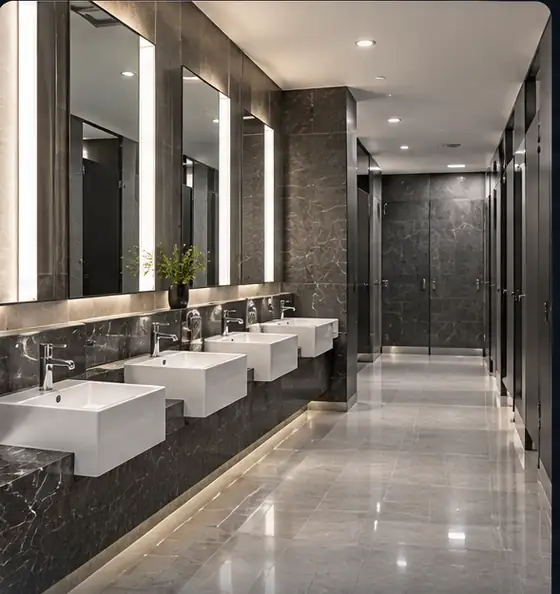
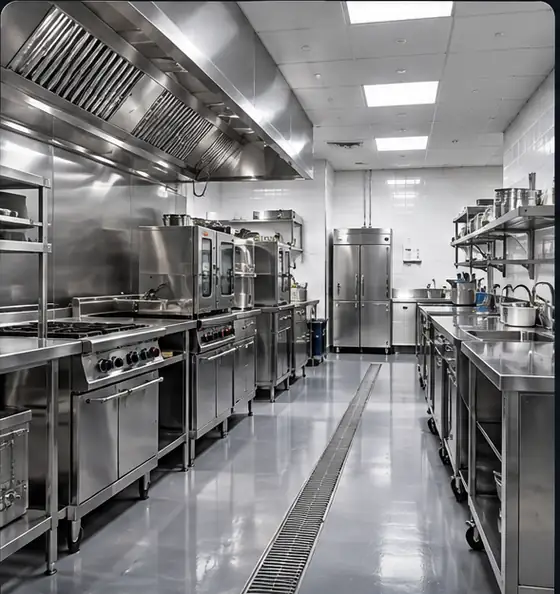
Restaurants, offices and complexes, not only homes.
Common questions
Need someone now? The emergency line is open any hour.
+965 9668 4964
Yes, but they must be at safe depth and protected by clean sand and a protective cover. We avoid large root paths and underground wells if present.
It is best placed away from the corner directly, making it easier to access from the pavement. Height is set so cleaning staff can insert tools easily without excessive bending.