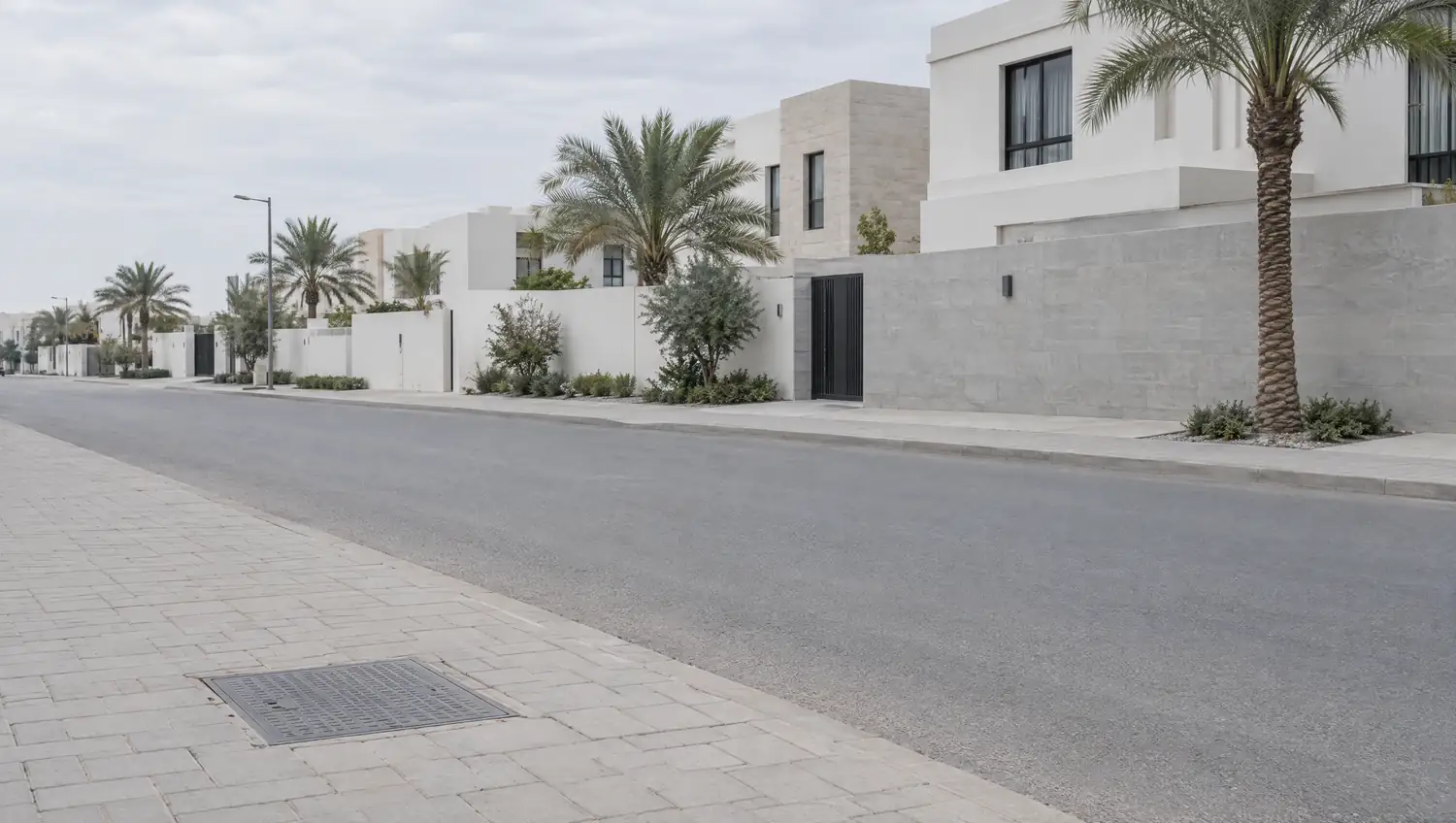
Ground tank survey
Locating leaks in walls and floor of a buried ground tank
Jahra
Tank leak detection in Sulaibiya begins with thorough inspection of ground or roof tanks and tracing where water loss occurs. We pinpoint the leak location precisely before any repair starts, whether in the tank shell or supply pipework. This saves you from blind repair work that wastes time and money. We pressure-test the tank at steady pressure and mark every leak point on a diagram before we leave.
Sulaibiya houses typically have a large ground tank for water storage with high capacity and a roof tank feeding the flats. A ground tank leak may be in a concrete floor slab or old mud-brick walls, and water disappears into sandy soil without the family noticing for weeks. We measure daily loss rate by filling the tank and watching it for hours and determine whether the leak is from the floor, walls or transfer pipes between tanks.
Sulaibiya sits in Jahra governorate, a rural residential area where houses are spaced apart and large ground tanks are the standard.
We use non-toxic dye tracing to confirm leak location because sandy soil absorbs water rapidly.
Locating leaks in walls and floor of a buried ground tank
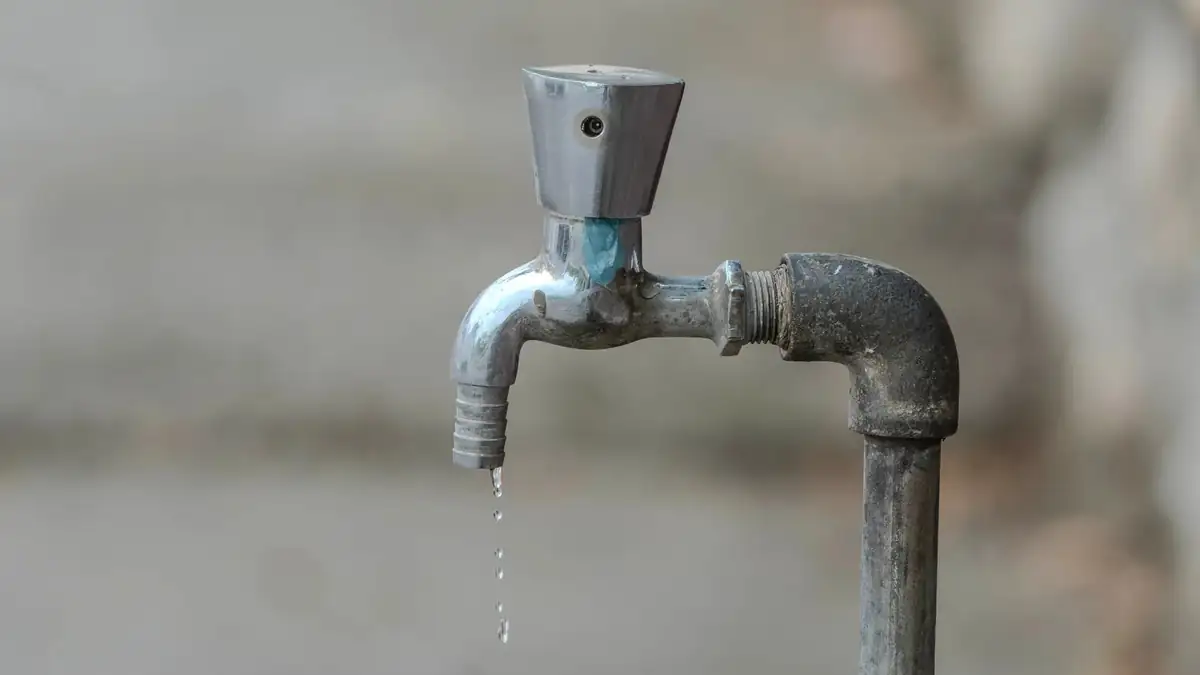
Inspecting the roof tank body and fittings for hairline cracks
Controlled pressure applied to confirm and pinpoint the fault location
Probe detects the leak sound through the tank wall or surrounding tiles
Checking inlet, outlet and overflow fittings where leaks often start
Owner receives a clear finding of where and what the fault is
How we work

Tell us what is happening and where, and the right equipment is loaded before we arrive.
We film the line from inside and know the kind of blockage and its exact place. No guessing.
High pressure water, a machine or a drain snake, whichever the line actually needs.

The camera runs a second pass and you see the line clear with your own eyes before we leave.
Same method, same equipment. Only the size of the job changes.

Why us
Amana means trust. Someone else's home is not ours to be careless in.
Do not take our word for it. Look at the line yourself.
Breaking is the last resort, never the first step.
A blocked line does not wait for the morning.
Six governorates, 139 areas.
For buildings and complexes, servicing before the problem starts.
Restaurants, offices and complexes, not only homes.
Common questions
Need someone now? The emergency line is open any hour.
+965 9668 4964
We close the transfer valve between ground and roof tanks and monitor the ground tank level alone. If it drops, the leak is in that tank or its draw pipes; if it stays steady, the problem is above.
Yes, we fill the tank to safe maximum level and use pressure testing and dye to locate the leak from outside. If the leak is very deep we may need only partial drainage around that zone.