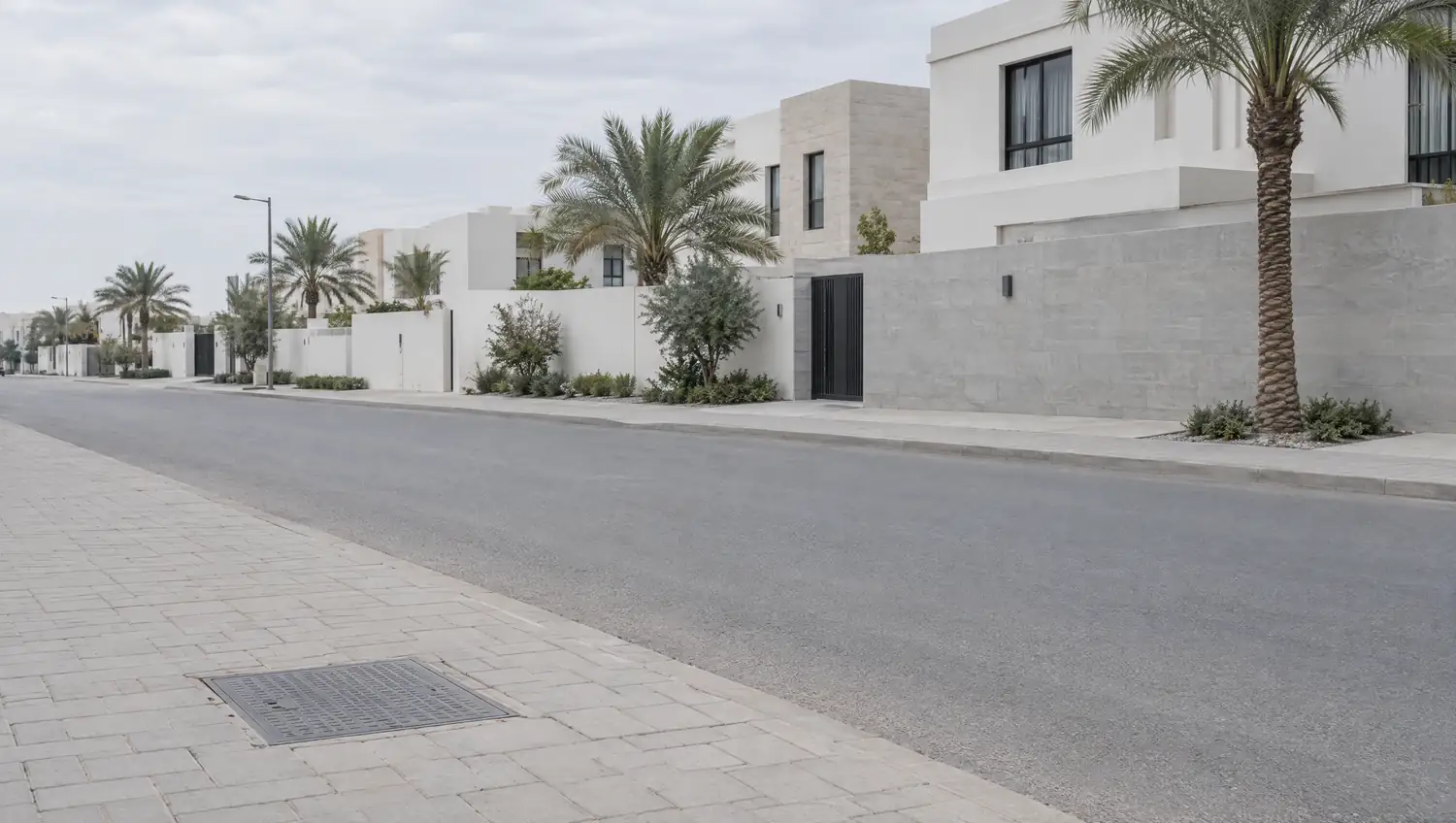
Ground tank survey
Locating leaks in walls and floor of a buried ground tank
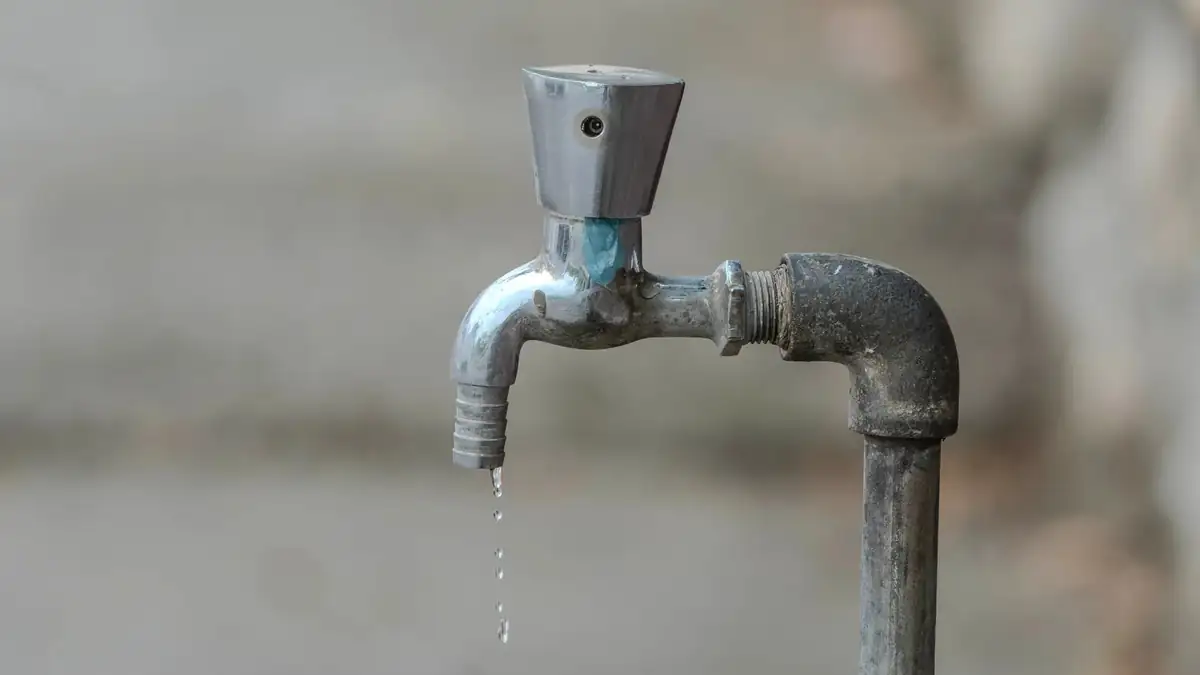
Jahra
Tank leak detection in Uyoun starts by lifting the lid and inspecting the inner walls underwater for cracks or seepage points. We fill the tank slowly, monitor the water level and pinpoint the leak location before any repair work begins.
Uyoun is known for deep wells and older houses that rely on ground and roof tanks for water storage. Uyoun tanks are often old cement that cracks under extreme heat and ground salts. Before handover, we fill the tank and leave it full for two hours, then measure the level drop in decimetres to confirm the leak location precisely.
Uyoun sits in Jahra governorate where thin sandstone bedrock and historic water wells exist, which affects ground tank integrity.
The tank is tested after full filling for at least two hours because fine leaks show slowly in the heat.
Locating leaks in walls and floor of a buried ground tank
Inspecting the roof tank body and fittings for hairline cracks
Controlled pressure applied to confirm and pinpoint the fault location
Probe detects the leak sound through the tank wall or surrounding tiles
Checking inlet, outlet and overflow fittings where leaks often start
Owner receives a clear finding of where and what the fault is
How we work

Tell us what is happening and where, and the right equipment is loaded before we arrive.
We film the line from inside and know the kind of blockage and its exact place. No guessing.
High pressure water, a machine or a drain snake, whichever the line actually needs.

The camera runs a second pass and you see the line clear with your own eyes before we leave.
Same method, same equipment. Only the size of the job changes.

Why us
Amana means trust. Someone else's home is not ours to be careless in.
Do not take our word for it. Look at the line yourself.
Breaking is the last resort, never the first step.
A blocked line does not wait for the morning.
Six governorates, 139 areas.
For buildings and complexes, servicing before the problem starts.
Restaurants, offices and complexes, not only homes.
Common questions
Need someone now? The emergency line is open any hour.
+965 9668 4964
We empty the tank first, then inspect the walls and floor when dry. We look for old seepage marks or damp cracks, then refill slowly and watch where water begins to seep.
Yes, because slow leaks cause gradual soil subsidence under the tank and weaken the cement base. The leak must be pinpointed and repaired quickly before the crack spreads and damages the whole structure.