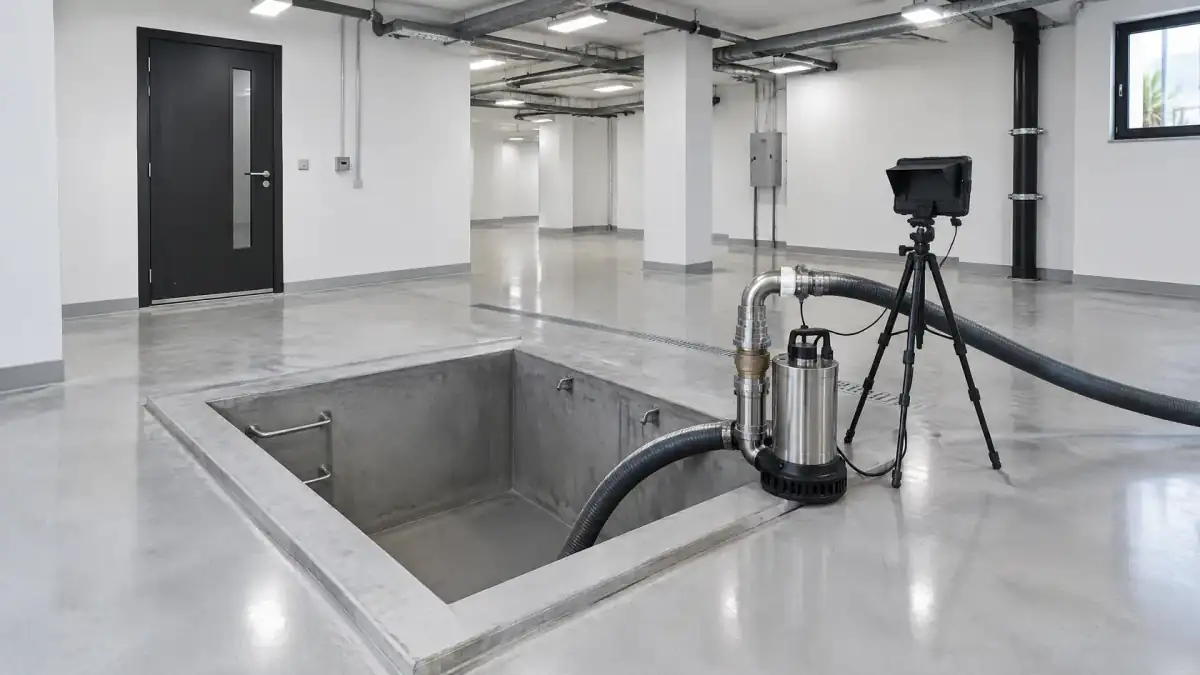
Sump suction
Full extraction using a flexible hose and high-capacity vacuum tanker
Capital
Emptying a collection pit in Rawda means reaching the bottom and ensuring no hardened sludge remains. We suction out sediment, grease and stagnant water, then wash pit walls and floor with very high-pressure water.
Rawda homes are set among dense parks and trees, and their deep foundations receive root seepage, leaf debris and heavy groundwater. The collection pit here gathers not just sewage but also rainwater from the yard and cooling-system drain. This mix creates a fine sludge layer at the bottom that chokes the pump outlet, so we need extra effort in cleaning and testing.
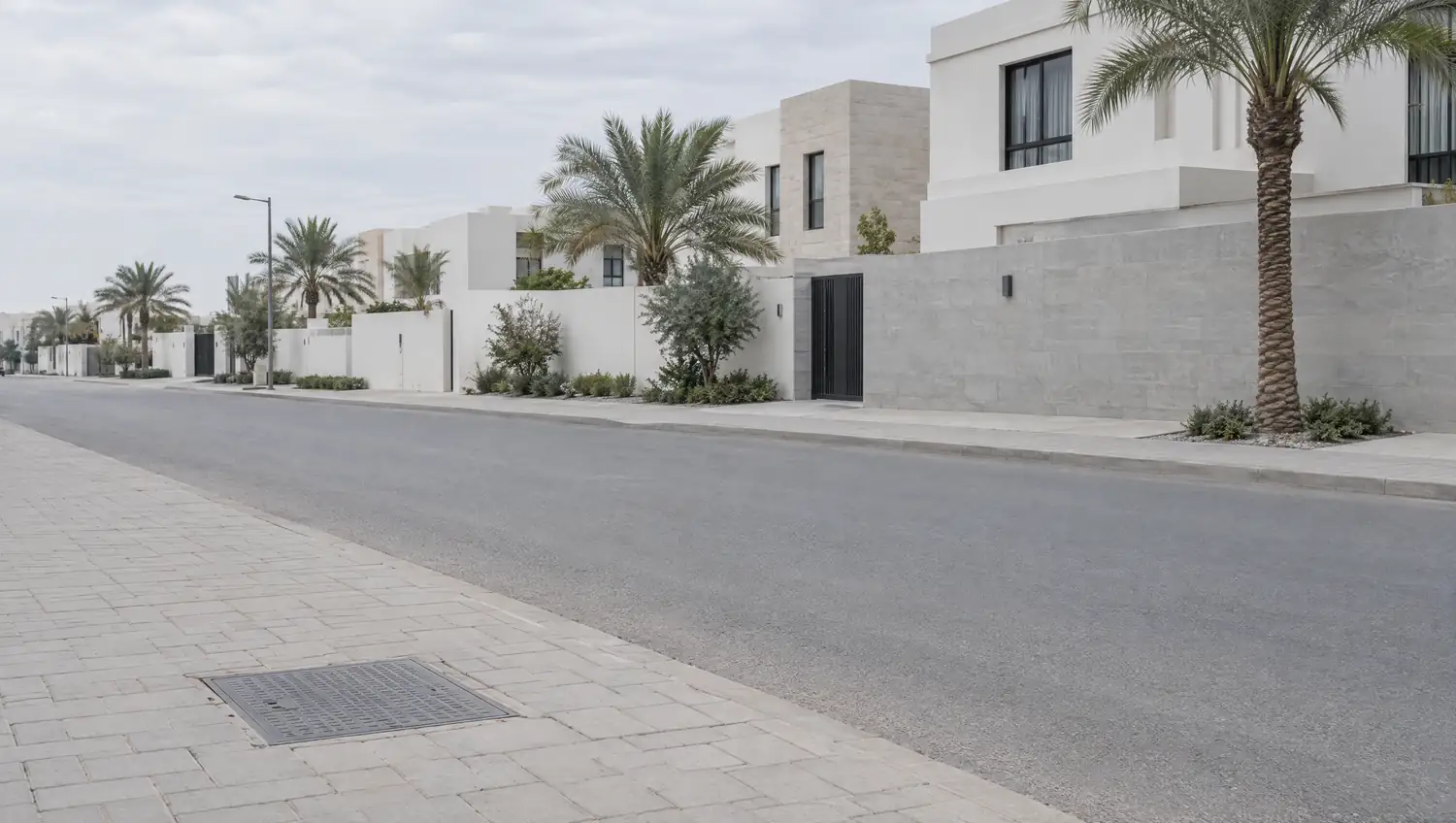
Rawda sits near Rawda Co-op and Rawda Park, a leafy residential district where groundwater and greenery affect pit maintenance.
We run a second pump test an hour after emptying to check that fine sediment does not return too quickly.
Full extraction using a flexible hose and high-capacity vacuum tanker
Removing compacted grease and sand deposits from walls and floor
Internal filming reveals cracks and confirms the sump is fully clear
Clearing the collar and lid of debris before the sump is closed
Measuring how quickly the sump refills to set a suction schedule
Available at any hour when the sump overflows or odour spreads at night
How we work

Tell us what is happening and where, and the right equipment is loaded before we arrive.

We film the line from inside and know the kind of blockage and its exact place. No guessing.
High pressure water, a machine or a drain snake, whichever the line actually needs.

The camera runs a second pass and you see the line clear with your own eyes before we leave.
Same method, same equipment. Only the size of the job changes.
Why us
Amana means trust. Someone else's home is not ours to be careless in.
Do not take our word for it. Look at the line yourself.
Breaking is the last resort, never the first step.
A blocked line does not wait for the morning.
Six governorates, 139 areas.
For buildings and complexes, servicing before the problem starts.
Restaurants, offices and complexes, not only homes.
Common questions
Need someone now? The emergency line is open any hour.
+965 9668 4964
Yes, roots from nearby trees can enter small cracks in the pit walls and block inlet openings. During cleaning we inspect the walls carefully and advise you to move heavy-rooted trees or seal any cracks.
Because dense greenery and high groundwater drain extra leaves and soil into the pit. Added to that, cooling water and rainwater increase the total load.