Sump suction
Full extraction using a flexible hose and high-capacity vacuum tanker

Cesspit suction
Full suction, pressure jetting and camera check reveal hidden cracks and clear grease and sand before the sump overflows into your basement
Extracting, jetting and inspecting the sump so nothing is left to cause a repeat problem
Full extraction using a flexible hose and high-capacity vacuum tanker
Removing compacted grease and sand deposits from walls and floor
Internal filming reveals cracks and confirms the sump is fully clear
Clearing the collar and lid of debris before the sump is closed
Measuring how quickly the sump refills to set a suction schedule
Available at any hour when the sump overflows or odour spreads at night
Describe the sump condition and location to book a fast visit
The team checks the sump and estimates the work needed before starting
Full extraction followed by high-pressure jetting of walls and floor
Post-clean filming shown live on screen so the client sees the result
Sump closed and client informed of any cracks or issues needing follow-up
From the inspection camera
Drag the divider and see the difference.
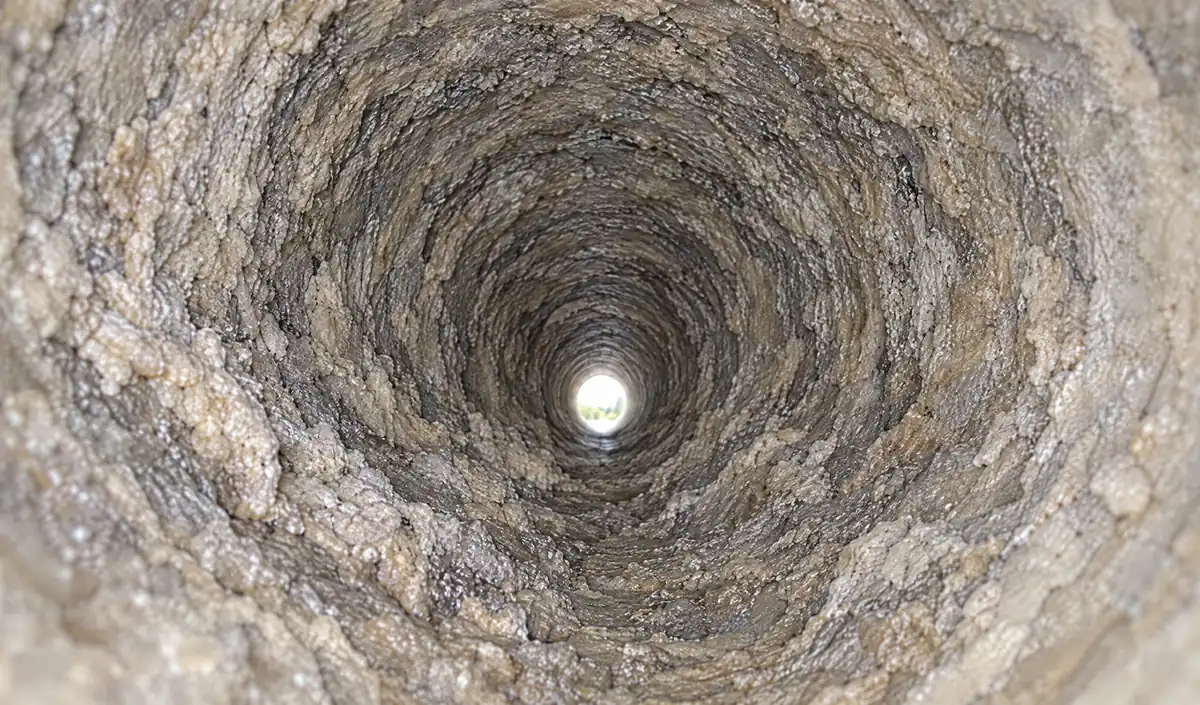
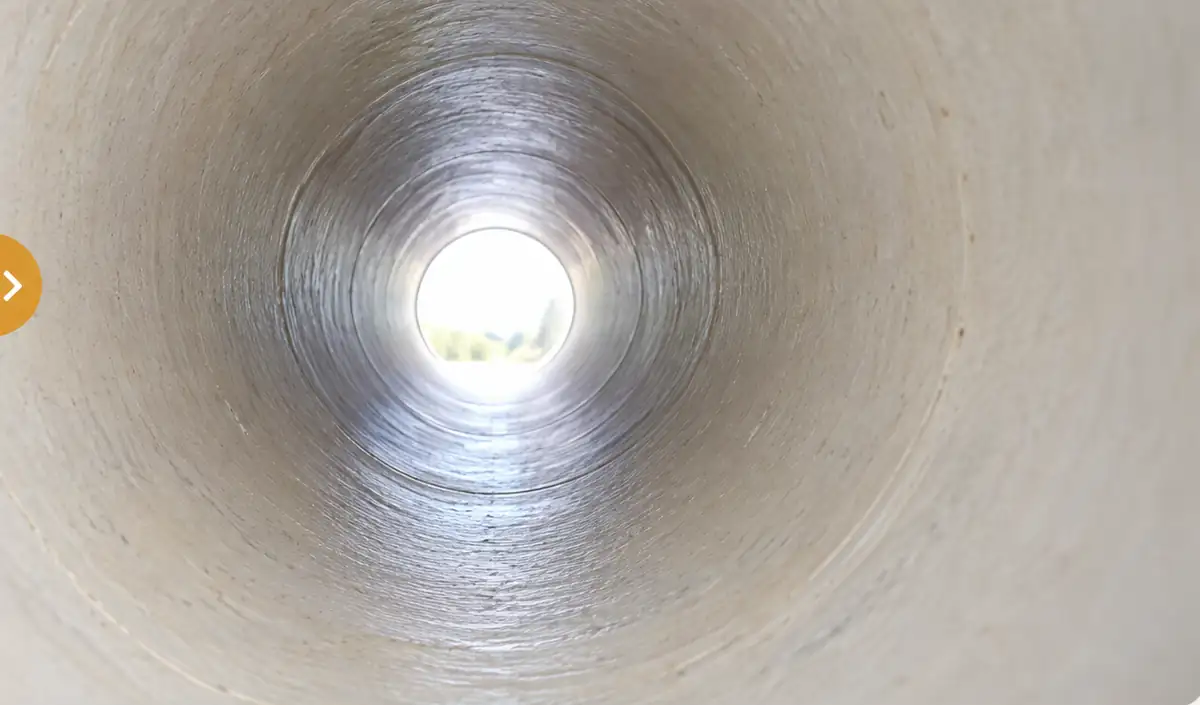
Every job starts with a recording and ends with one. The footage is kept and sent to you.
Sewage smell rising through the basement floor means the sump is full or its vents are blocked
A small pool near the sump lid or in low corners is a clear overflow sign
Sudden slow drains on upper floors often mean the sump below has reached capacity
Damp stains or cracks in the sump walls point to seepage or a line fracture below ground level
Reaches the sump base through a narrow opening without breaking tiles or digging
Breaks up hardened grease layers and compacted sand that suction alone cannot remove
Filming before and after shows the client exactly what was found and confirms the result
Ensures the full sump volume is extracted in one go even with heavy sludge present

Part of Cesspit suction · All services · Back to the home page
No fixed price; the quote depends on several factors assessed when the team arrives
A larger or deeper sump needs more suction volume and longer work time
Solidified grease or compacted sediment requires jetting before suction can work
A narrow lid or blocked access point increases working time and effort
Full wall and connecting line inspection adds time but finds hidden faults
Night calls and holidays are priced differently from standard daytime bookings
Same method, same equipment. Only the size of the job changes.
Why us
Amana means trust. Someone else’s home is not ours to be careless in.
Do not take our word for it. Look at the line yourself.
Breaking is the last resort, never the first step.
A blocked line does not wait for the morning.
Six governorates, 139 areas.
For buildings and complexes, servicing before the problem starts.
Restaurants, offices and complexes, not only homes.
Six governorates, 139 areas.
Common questions
Need someone now? The emergency line is open any hour.
+965 9668 4964
Yes. A basement sump is usually smaller and harder to reach, and it collects grease and sand faster because of its proximity to ground-floor kitchen lines. Suction alone is often not enough without pressure jetting first.
In most cases yes. The flexible hose enters through the existing lid opening and both suction and jetting are done without touching the tiles. Breaking is only used when the camera shows the line itself is fractured and needs direct repair.
The most common reason is grease and soap buildup narrowing the usable volume over time. In some cases cracks allow external groundwater to seep in, making the sump appear to fill faster than the household is generating waste.
The camera shows the condition of the walls and floor once deposits are removed, revealing any cracks, waterproofing damage or faults at connecting pipe entries. This helps assess whether waterproofing or repair is needed.
It depends on sump size, occupancy and which lines drain into it. Sumps connected to kitchen lines need more frequent cleaning. Checking the fill level at each suction visit is the most reliable way to set the right schedule for a specific property.