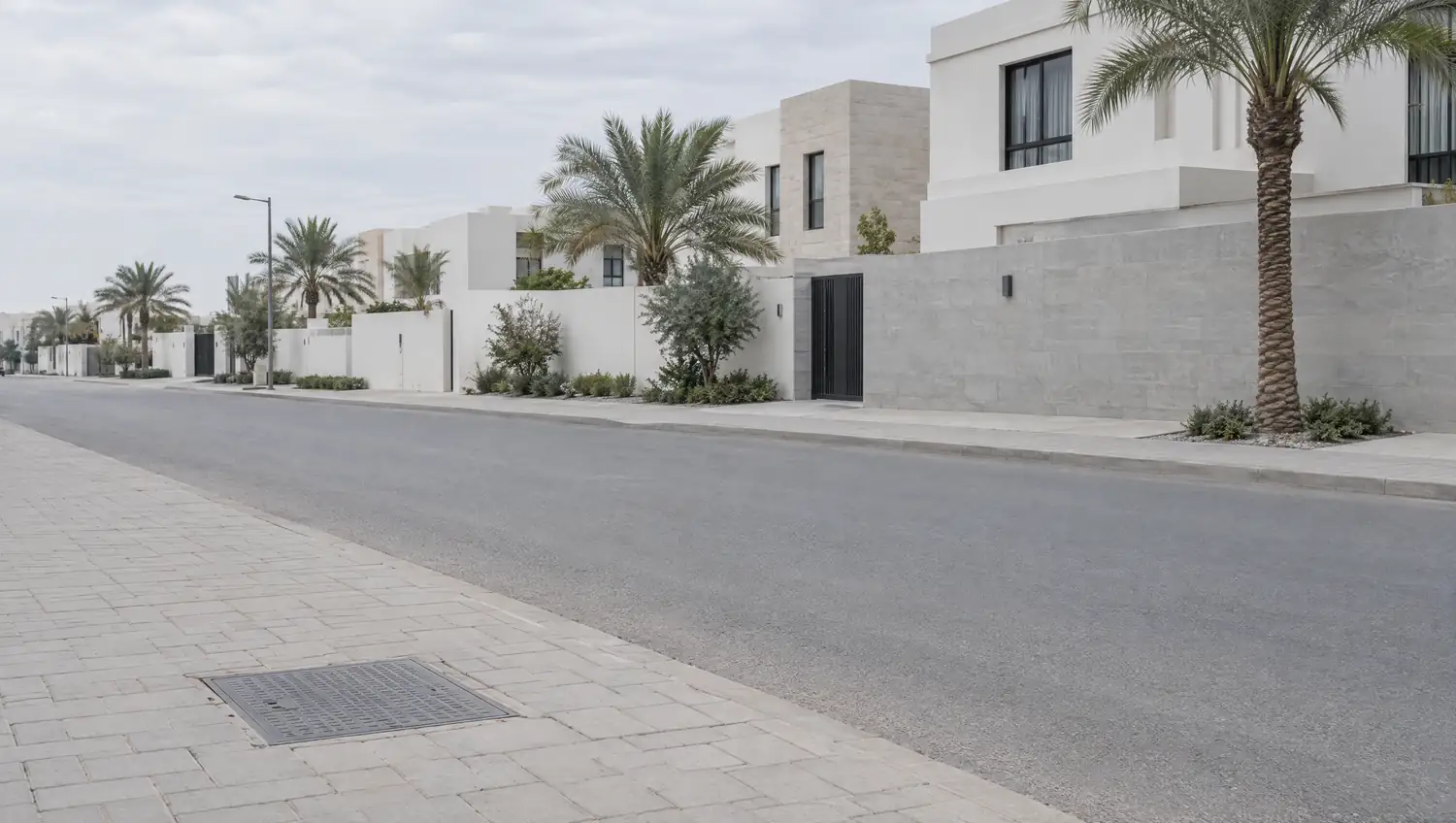
Position and height
Basin set at a practical height and checked level before any connection is made.
Jahra
An ablution basin in Rawdhatain requires respect for the protected site and sensitive soil. We choose a location away from natural springs, install pipework carefully, direct waste to a safe point and test every joint for leaks.
Rawdhatain is a nature reserve with shallow groundwater and soil rich in gravel and stones. Before digging, we ask about any existing water lines and avoid natural spring zones. We use flexible pipes that can follow stones rather than forcing deep cuts, and seal every opening against groundwater seepage.
Rawdhatain sits in Jahra governorate, a protected nature reserve known for natural springs and fragile ecosystems.
Drainage is tested by raising water slowly to monitor seepage in gravelly ground.
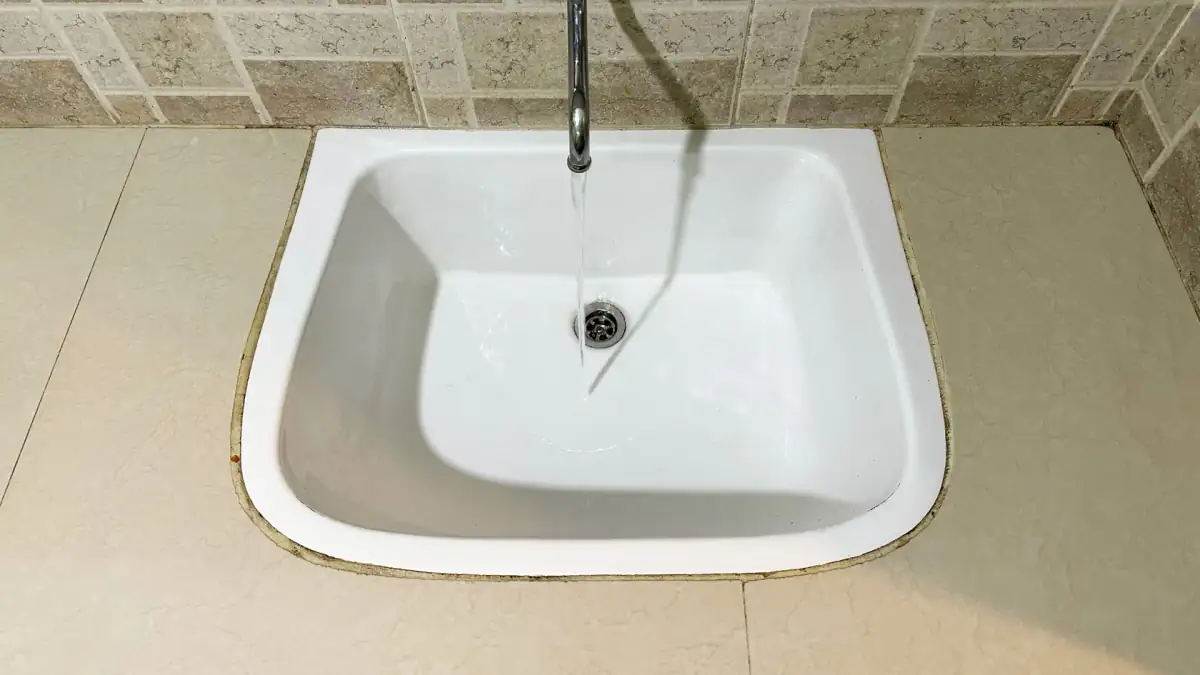
Basin set at a practical height and checked level before any connection is made.
Trap and rubber seal fitted so waste drains fully with no odour return.
Braided flexible tails connected to isolation valves for future servicing.
Single-lever or separate taps set with PTFE tape and thread compound at every joint.
Non-fungal sanitary silicone applied along the full basin perimeter to keep moisture out.
Flow confirmed and every joint inspected for drips before the technician leaves.
How we work

Tell us what is happening and where, and the right equipment is loaded before we arrive.
We film the line from inside and know the kind of blockage and its exact place. No guessing.
High pressure water, a machine or a drain snake, whichever the line actually needs.

The camera runs a second pass and you see the line clear with your own eyes before we leave.
Same method, same equipment. Only the size of the job changes.
Why us
Amana means trust. Someone else's home is not ours to be careless in.
Do not take our word for it. Look at the line yourself.
Breaking is the last resort, never the first step.
A blocked line does not wait for the morning.
Six governorates, 139 areas.
For buildings and complexes, servicing before the problem starts.
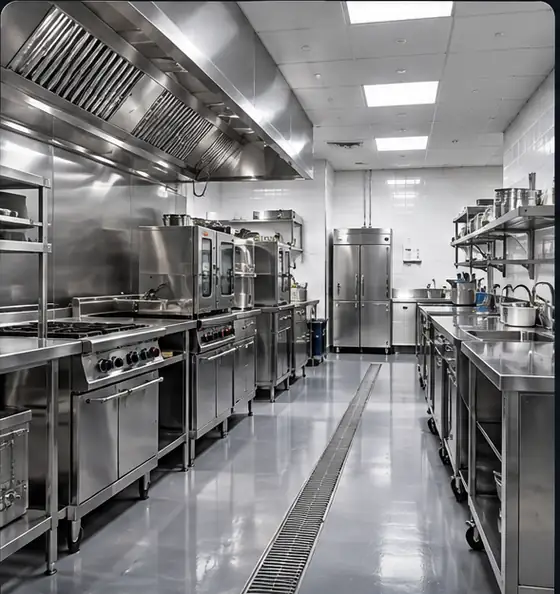
Restaurants, offices and complexes, not only homes.
Common questions
Need someone now? The emergency line is open any hour.
+965 9668 4964
Deep digging near natural springs must be avoided. We use small-bore flexible pipe that follows gravel rather than cutting through it. We seal every entry point to stop contaminated groundwater seeping in.
We locate the installation away from any visible spring or seepage and request a site map from the reserve authorities. Waste flows away from springs toward open ground, and periodic checks for pollutant seepage are essential.