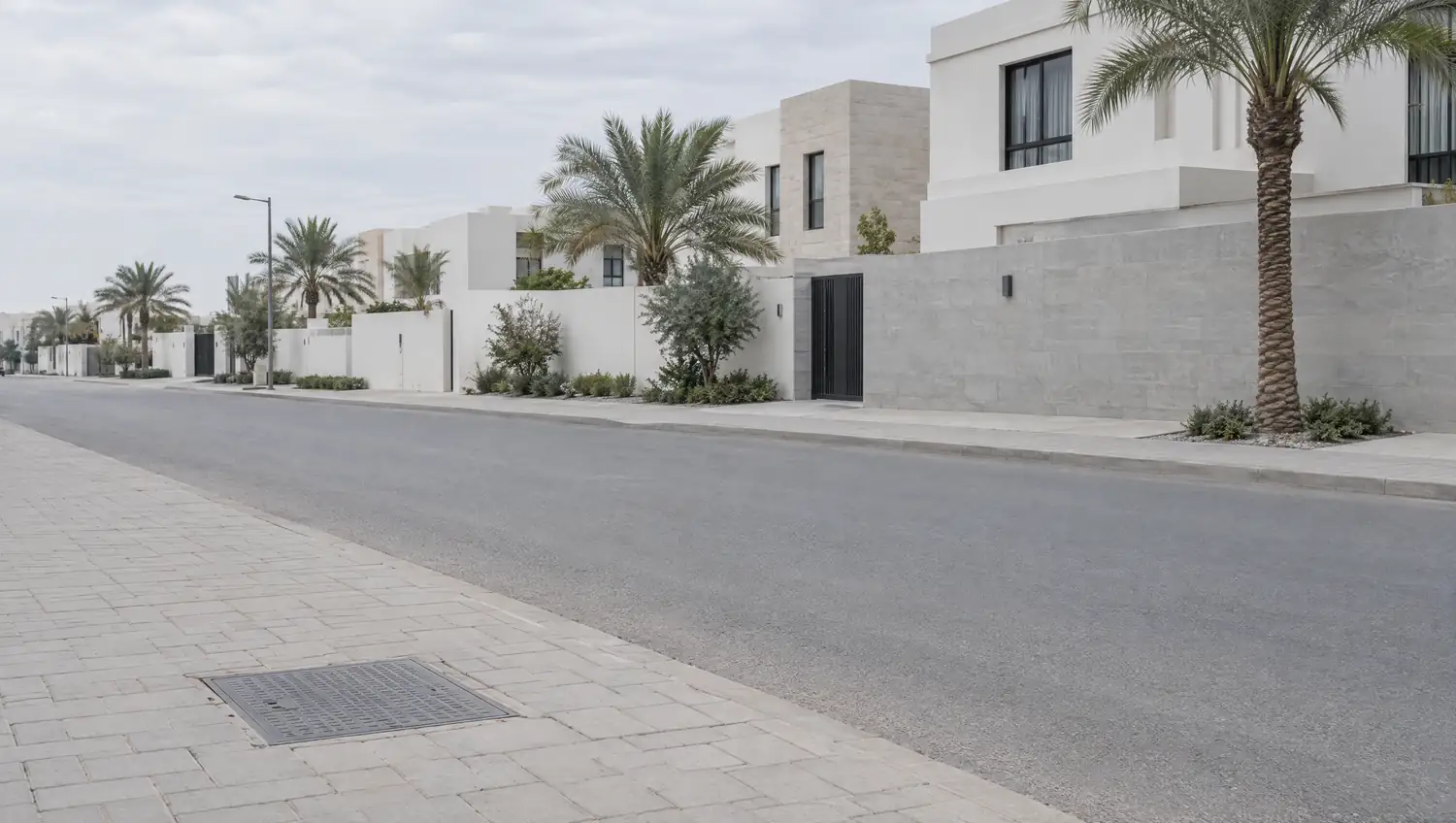
New pipe runs
Cold and hot supply lines routed to fixtures and tanks.
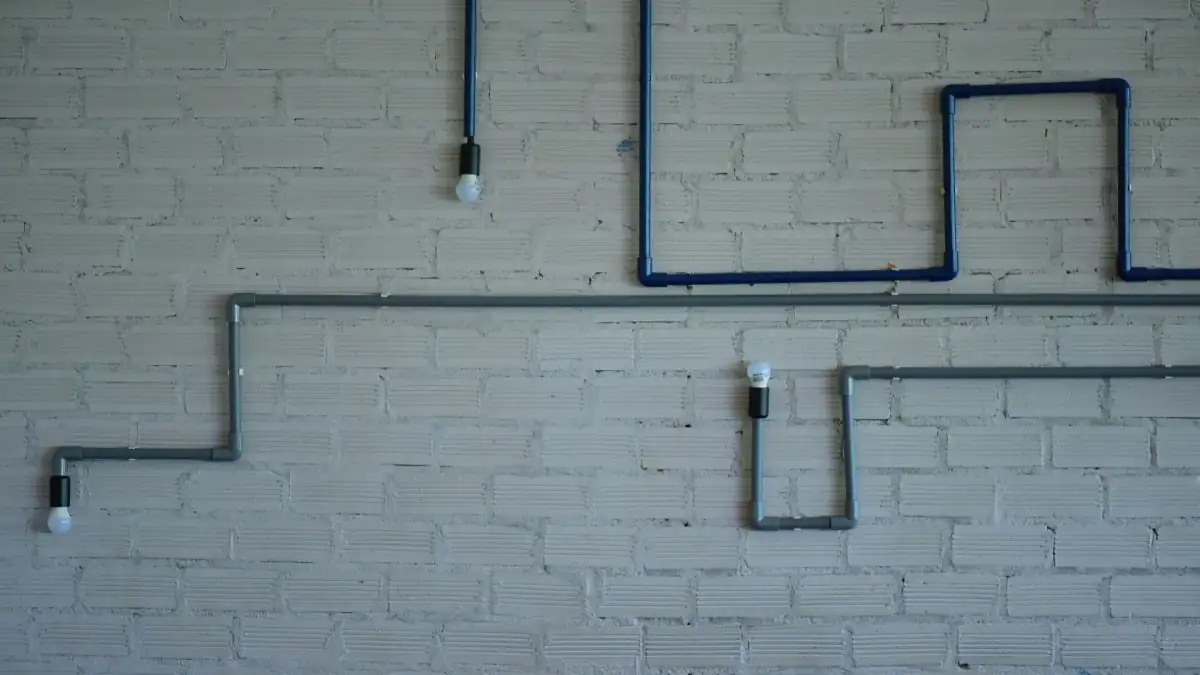
Hawalli
Water pipe installation in Hawalli starts by mapping a single route from the street meter through the courtyard into the flat or shop. We select the correct pipe diameter for fixture count and daily demand, clipping it to walls with metal angles or running it under floors. The line is filled and held for an hour to confirm no weeping before final approval.
Hawalli flats and shops sit near the Co-op and Red Crescent staff, and many share water pipes through party walls. We measure water pressure before entry and record it, because shared pipes may suffer pressure drop during peak hours. If pressure is low, we suggest a roof collection tank for the flat or shop to ensure steady flow all day.
Hawalli lies in Hawalli governorate, a mixed zone of flats and shops occupied by Kuwaitis and foreign workers alike.
Every line is tested at high pressure for thirty minutes then slowly reduced to detect abnormal pressure loss.
Cold and hot supply lines routed to fixtures and tanks.
Leak located acoustically and by camera before any breaking.
Wrapping exposed or roof-level pipes against heat and condensation.
Removing mineral scale that narrows the pipe wall over time.
Targeted clearance of blocked supply lines without unnecessary breaking.
Internal camera pass and pressure check before pipes are concealed.
How we work

Tell us what is happening and where, and the right equipment is loaded before we arrive.
We film the line from inside and know the kind of blockage and its exact place. No guessing.
High pressure water, a machine or a drain snake, whichever the line actually needs.

The camera runs a second pass and you see the line clear with your own eyes before we leave.
Same method, same equipment. Only the size of the job changes.
Why us
Amana means trust. Someone else's home is not ours to be careless in.
Do not take our word for it. Look at the line yourself.
Breaking is the last resort, never the first step.
A blocked line does not wait for the morning.
Six governorates, 139 areas.
For buildings and complexes, servicing before the problem starts.
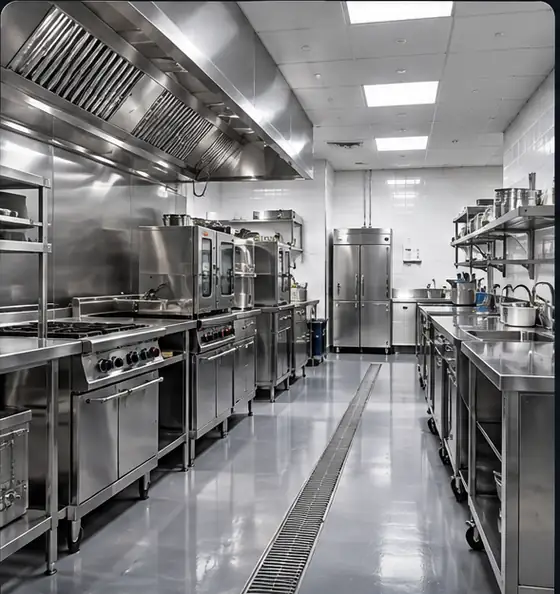
Restaurants, offices and complexes, not only homes.
Common questions
Need someone now? The emergency line is open any hour.
+965 9668 4964
If the wall is thick enough yes, we space them at least ten centimetres apart. But if the wall is very thin we may have to run them side by side with thermal wrap between them to reduce heat transfer.
The issue is usually in the main network or shared lines with neighbours. We fit a pressure reducing valve on the internal line after entry to regulate flow, or we install a roof tank that fills slowly during off-peak night hours.