New pipe runs
Cold and hot supply lines routed to fixtures and tanks.
Everything along the pipe route, from new runs to cleaning and fault repair.
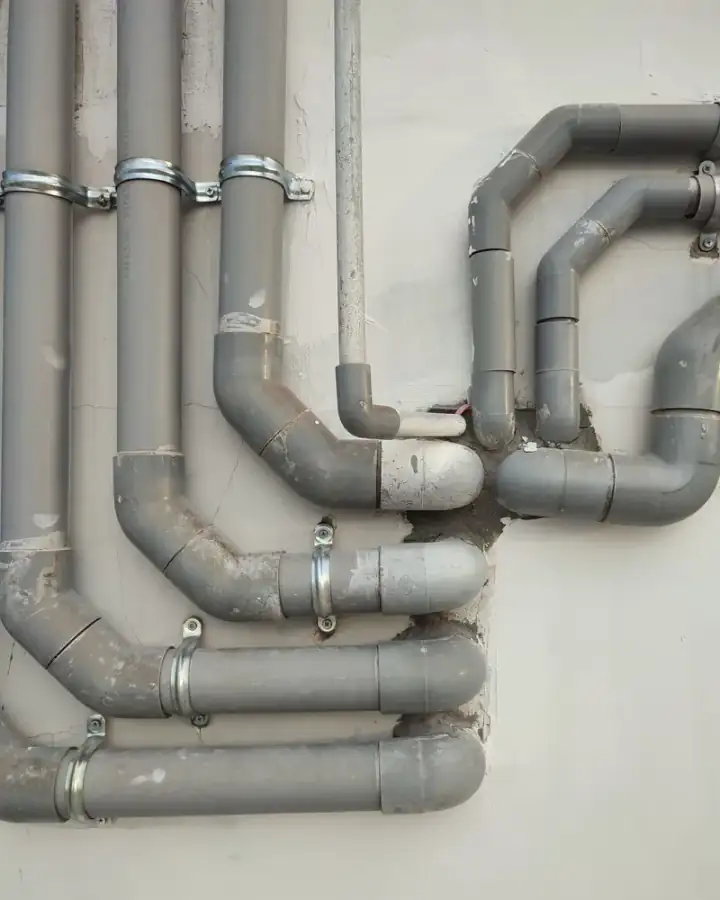
Cold and hot supply lines routed to fixtures and tanks.
Leak located acoustically and by camera before any breaking.
Wrapping exposed or roof-level pipes against heat and condensation.
Removing mineral scale that narrows the pipe wall over time.
Targeted clearance of blocked supply lines without unnecessary breaking.
Internal camera pass and pressure check before pipes are concealed.
Describe the fault or the run you need routed.
Camera check reveals scale or damage before new work starts.
Pipes routed in chosen material with insulation where needed.
Line pressurised and held before wall or plaster closes.
Customer views internal footage confirming clear, intact pipe runs.
Fusion welding creates a joint as strong as the pipe, with no sealant to fail under hot water.
Suits tight chases and absorbs thermal expansion without stressing joints in high-heat conditions.
Stops roof-level pipes overheating in summer and reduces condensation drip on cold lines.
Films the pipe before and after work so the customer sees the same screen and confirms the result.
PPR, galvanised iron or another type? The material determines how new runs connect to existing ones.
Know where to cut supply so water can be isolated the moment the technician arrives.
Tiled, plastered only, or still open? The finish stage decides the access method and scope of breaking.
Moving a single outlet, running a full new circuit, or repairing an existing leak? Each needs different planning.
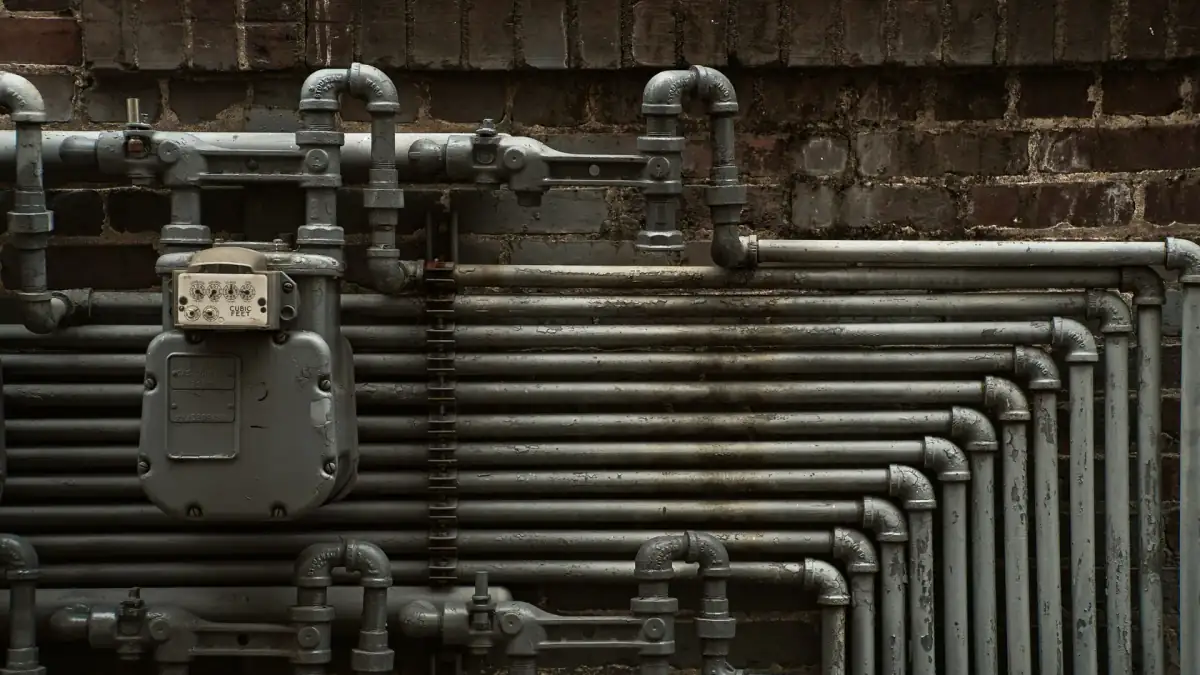
Kuwait's water is hard, and calcium deposits narrow the pipe wall from inside long before anyone notices reduced flow. For this reason, any new run begins with an inspection camera pass on existing lines to check whether scale has reached a point that demands cleaning or replacement before new pipework is connected to them. Skipping this step means the new run inherits the problem of the old one.
Pipe material is not a single choice that fits every position. PPR suits pressure runs in walls and risers because heat fusion makes the joint as strong as the body of the pipe. Flexible PEX is better inside narrow chases where the pipe needs to bend without additional fittings and where thermal expansion would stress rigid joints. Pipes exposed on rooftops or in service areas need closed-cell insulation to prevent summer overheating on hot lines and drip-causing condensation on cold ones.
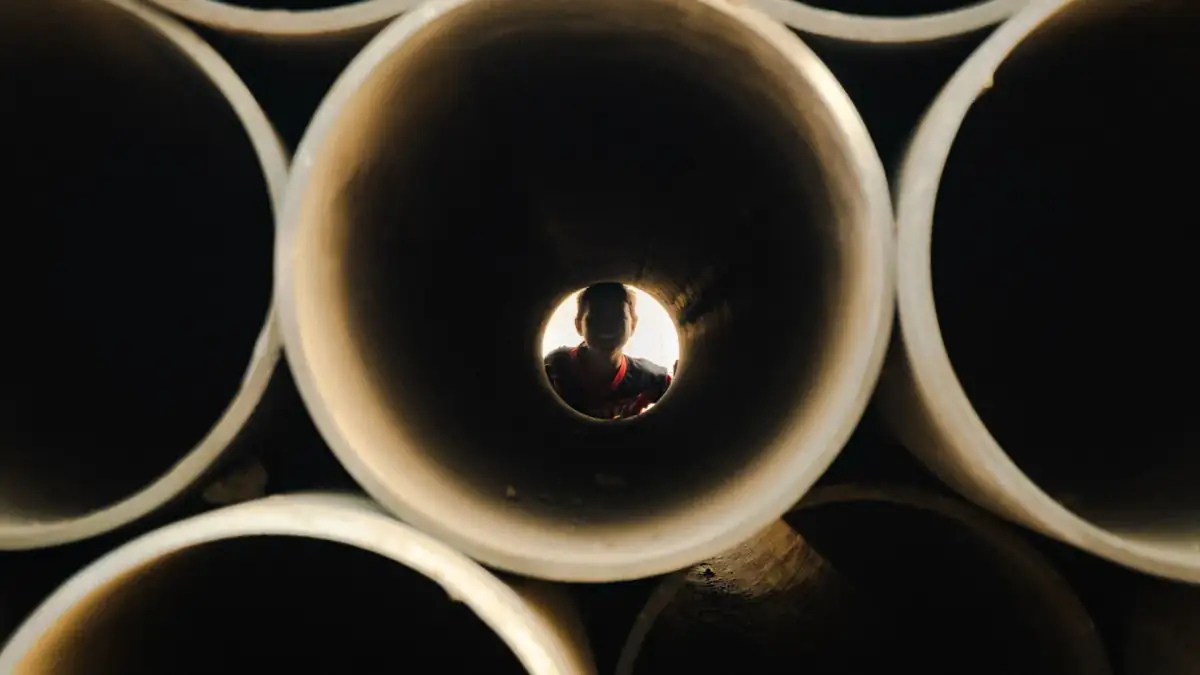
Once the run is complete and before plaster or tiles close the wall, the line is pressurised and watched to confirm every joint holds. The inspection camera then films the interior again, and the customer sees that the pipes are clear and undamaged. Breaking walls remains a last resort, used only when the pipe itself is fractured or corroded beyond repair, never as a default method of access when a camera and acoustic tools can locate the fault without it.
Part of Plumbing and sanitary works · All services · Back to the home page
No fixed price list applies; these factors shape every quote differently.
A single bathroom outlet differs greatly from a multi-floor supply network.
PPR, PEX and galvanised iron differ in cost and installation time.
Tiled walls need breaking and reinstatement, adding to the overall cost.
A full new run differs from cleaning an existing pipe or repairing a leak.
Night emergencies and peak hours affect the call-out cost.
Same method, same equipment. Only the size of the job changes.
Why us
Amana means trust. Someone else’s home is not ours to be careless in.
Do not take our word for it. Look at the work yourself.
The leak is marked before a single tile comes up.
A leak does not wait for the morning.
Six governorates, 139 areas.
For buildings and complexes, servicing before the problem starts.
Restaurants, offices and complexes, not only homes.
Six governorates, 139 areas.
Common questions
Need someone now? The emergency line is open any hour.
+965 9668 4964
An acoustic listening device picks up the leak frequency through the wall or floor, and the inspection camera films the pipe interior to confirm the fault location. Breaking is done only at the identified point, not across the full surface.
In most cases, yes. Runs can follow existing service voids, ceiling spaces or wall chases that limit the breaking to specific short sections. The exact extent depends on the route and the finish material.
Mineral scale narrowing the pipe interior is the most common cause, particularly in older galvanised iron supply lines. A weakening transfer pump is a second possibility. Both need to be checked before concluding which is the fault.
Yes. Cleaning removes mineral scale that has built up along the pipe wall over time, gradually reducing flow. Unblocking targets a specific point where flow has stopped or become severely restricted, often from a direct obstruction rather than general scale.
Roof-level pipes are insulated to stop summer heat raising the water temperature inside them. Cold pipes inside walls are insulated to prevent condensation forming on the outer surface, which can cause damp behind tiles without any actual leak.
When the inspection camera shows corrosion or scale damage along a long section, a patch repair only delays the next failure. Full replacement over that section removes the underlying cause rather than treating a single symptom.