Roof pipe insulation
Wrapping exposed roof lines against intense summer heat and UV
Farwaniya
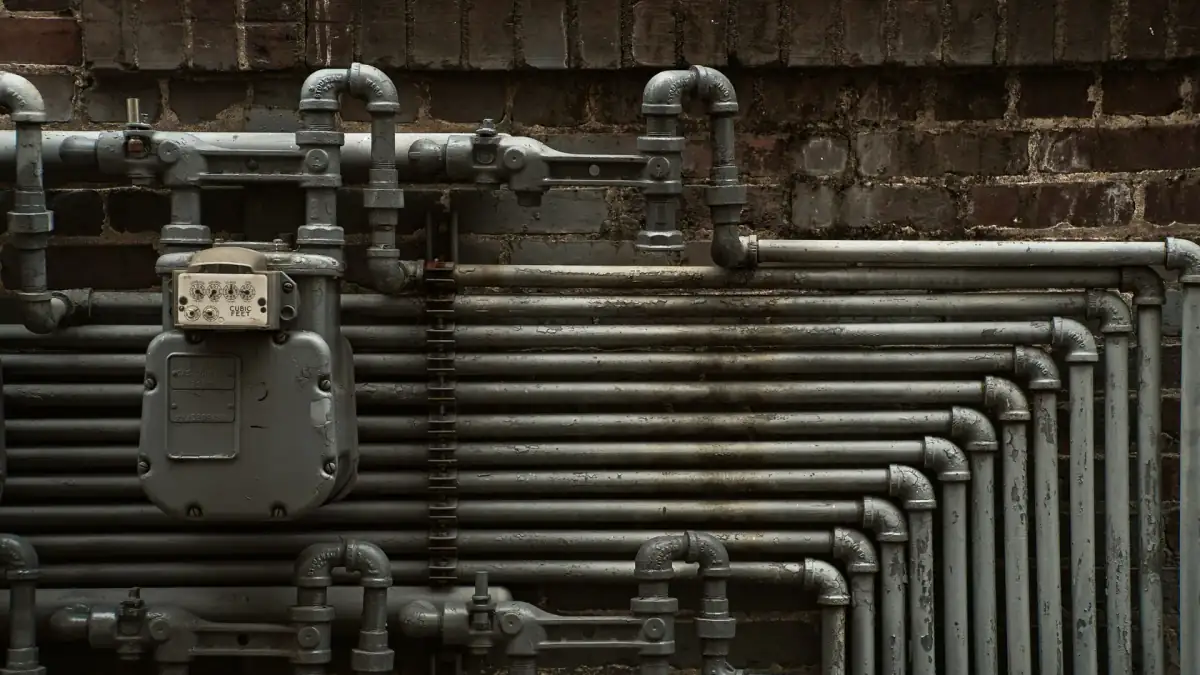
Pipe insulation in Khitan Al-Jadida begins with tracing hot and cold supply lines from the roof tank to all fixture points. We choose insulation thickness based on ambient temperature and seasonal humidity swings. Each section gets wrapped in foam or fiberglass, then we watch for condensation at joints and bends. Final testing confirms no moisture pools under the insulated runs.
In modern Khitan Al-Jadida homes, main pipes run through concealed chases in suspended ceilings and walls, so insulation must fit tight spaces. We measure each pipe diameter and select foam sleeves with matching bore sizes, then wrap and overlap the edges, fixing them with foil tape. Wrapping around stopcocks and joints takes extra care to close any gaps where cold air can bypass the insulation.
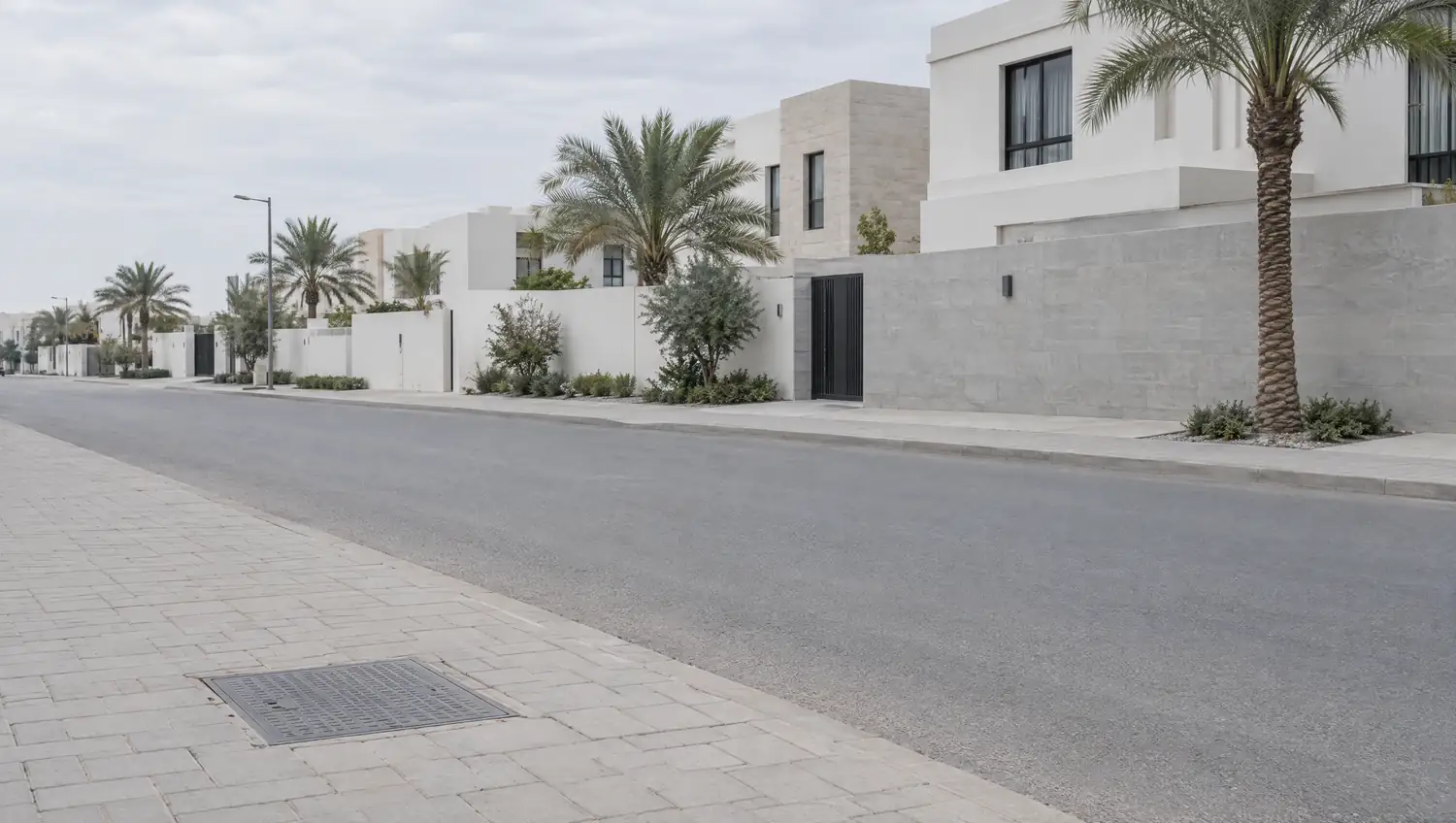
Khitan Al-Jadida lies in Farwaniya governorate, a new residential area where most homes have concealed plumbing chases and roof-mounted tanks.
We verify insulation performance by checking temperature drop over distance, because poor wrapping leaves thermal loss points unprotected.
Wrapping exposed roof lines against intense summer heat and UV
Reducing heat loss along heater supply and distribution runs
Preventing condensation on cold lines that causes wall damp
Fitting insulation sleeves before walls close and tiles go on
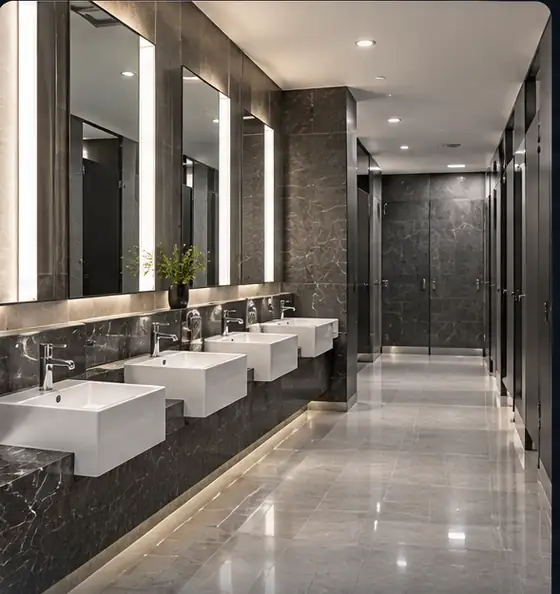
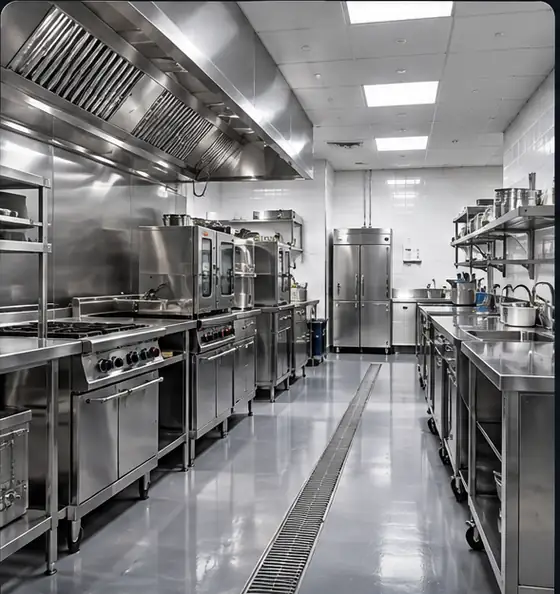
Insulating supply lines in restaurants, complexes and office buildings
Checking every joint and gap to confirm full coverage before handover
How we work

Tell us what is happening and where, and the right equipment is loaded before we arrive.
We film the line from inside and know the kind of blockage and its exact place. No guessing.
High pressure water, a machine or a drain snake, whichever the line actually needs.

The camera runs a second pass and you see the line clear with your own eyes before we leave.
Same method, same equipment. Only the size of the job changes.
Why us
Amana means trust. Someone else's home is not ours to be careless in.
Do not take our word for it. Look at the line yourself.
Breaking is the last resort, never the first step.
A blocked line does not wait for the morning.
Six governorates, 139 areas.
For buildings and complexes, servicing before the problem starts.
Restaurants, offices and complexes, not only homes.
Common questions
Need someone now? The emergency line is open any hour.
+965 9668 4964
Foam provides a better barrier against heat and moisture in summer and resists UV where exposed on roofs. Fiberglass is cheaper but absorbs moisture easily unless sealed tightly with foil backing.
Both lines benefit from insulation. Cold pipes sweat heavily in summer and drip water onto ceilings and walls, while uninsulated hot pipes lose heat rapidly before water reaches the fixtures.