Roof pipe insulation
Wrapping exposed roof lines against intense summer heat and UV
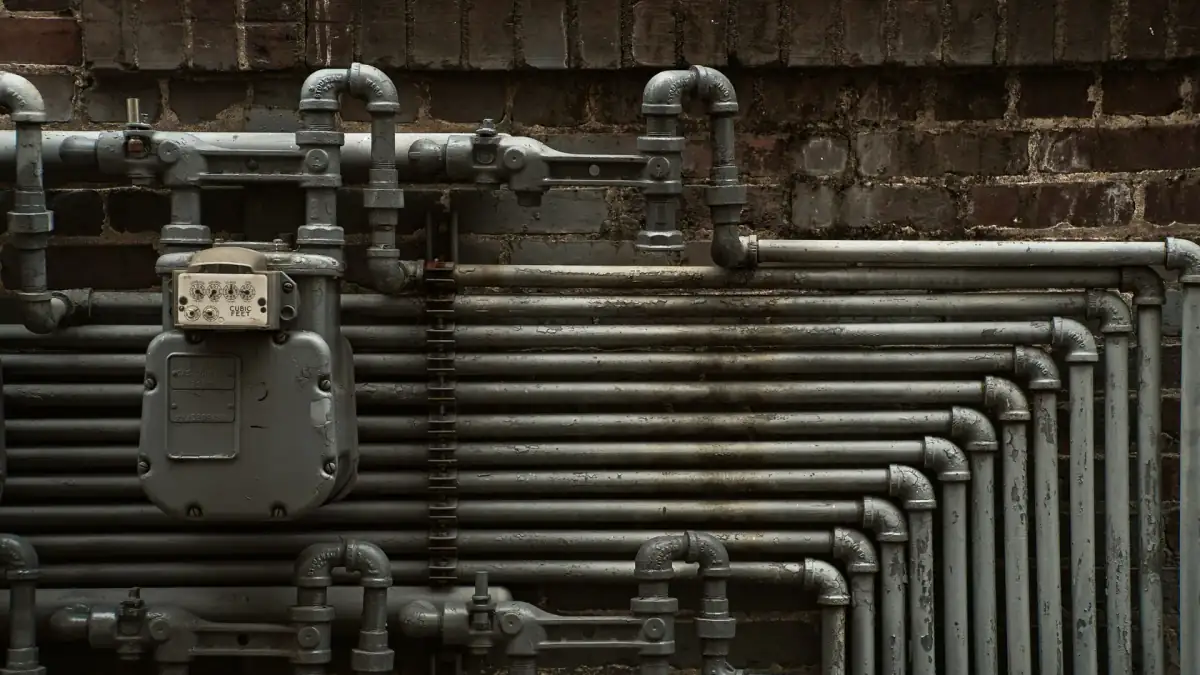
Water pipe runs
Closed-cell foam, armaflex and foil-backed wrap fitted to hot and cold lines so heat, condensation and pressure strain stop shortening pipe life.
Insulating hot and cold water lines throughout a property, from roof tank to fixture
Wrapping exposed roof lines against intense summer heat and UV
Reducing heat loss along heater supply and distribution runs
Preventing condensation on cold lines that causes wall damp
Fitting insulation sleeves before walls close and tiles go on
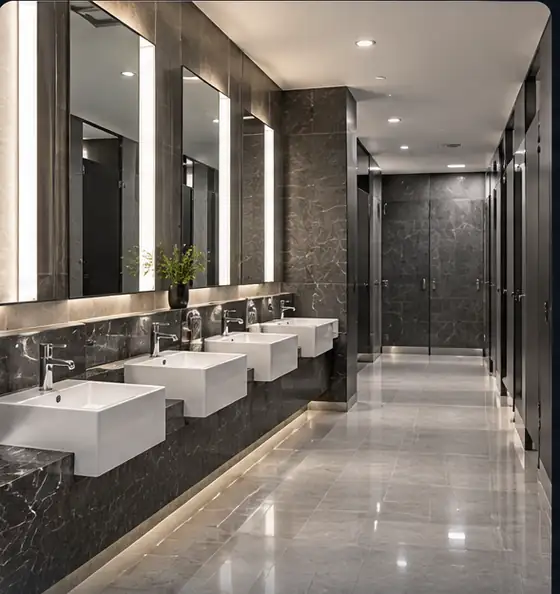
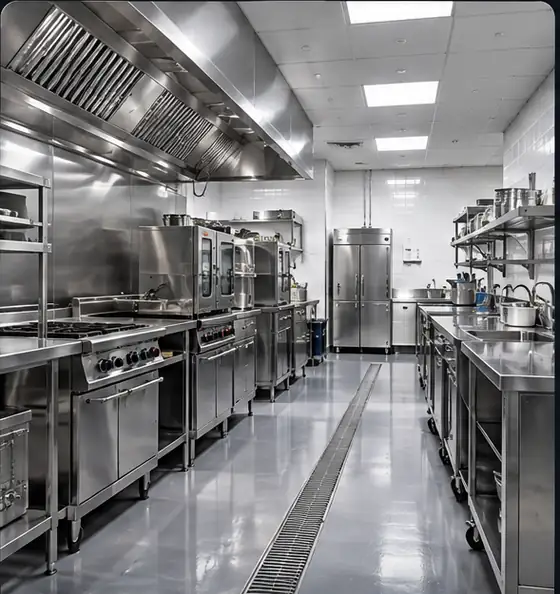
Insulating supply lines in restaurants, complexes and office buildings
Checking every joint and gap to confirm full coverage before handover
Describe the pipe location and the problem you have noticed
We measure the runs, note pipe type, location and current insulation state
Correct insulation type and thickness is matched to each section
Insulation is fitted tightly along the full run, joints and bends included
Every section is checked for gaps or exposed spots before we leave
Uninsulated cold supply pipes on the roof absorb summer heat until the water is uncomfortably warm at the tap
Visible condensation or damp patches forming around cold lines inside kitchens and bathrooms
PPR pipes expanding and contracting without insulation create knocking noises when hot water flows
Uninsulated hot supply lines lose heat quickly, forcing the heater to cycle more often to maintain temperature
Fits tightly around the pipe, resists moisture absorption and handles sustained heat without degrading
Reflects solar radiation on roof pipes and protects the inner insulation layer from UV and abrasion
Flexible corrugated sleeves placed before concrete or tiling to absorb pipe expansion inside walls
Applied at fittings and bends where sleeves cannot reach, forming a watertight layer without adhesive
Part of Water pipe runs · All services · Back to the home page
No fixed price list applies; the quote depends on what the survey finds about the run, location and material required
Longer runs require more material and labour time
Exposed roof lines are faster to insulate than pipes inside finished walls
Cost varies with insulation thickness and whether an outer foil layer is needed
Larger-diameter pipes require wider, costlier sleeves to fit correctly
Removing cracked or degraded old insulation adds a removal step before new material goes on
Same method, same equipment. Only the size of the job changes.
Why us
Amana means trust. Someone else’s home is not ours to be careless in.
Do not take our word for it. Look at the work yourself.
The leak is marked before a single tile comes up.
A leak does not wait for the morning.
Six governorates, 139 areas.
For buildings and complexes, servicing before the problem starts.
Restaurants, offices and complexes, not only homes.
Six governorates, 139 areas.
Common questions
Need someone now? The emergency line is open any hour.
+965 9668 4964
Yes. Summer temperatures raise surface temperatures on exposed roof pipes high enough to make cold water uncomfortably hot and to accelerate joint deterioration. Insulation protects the pipe material and keeps water at a usable temperature.
In-wall insulation must be installed before the wall closes. Once tiles and plaster are in place, the only way to add insulation inside is to open the wall. We assess the situation and advise whether the work justifies breaking in.
Hot lines are insulated to limit heat loss and reduce energy use. Cold lines are insulated mainly to prevent condensation from forming on the pipe surface and causing damp, and to stop the water heating up during summer.
Yes. PPR expands noticeably under heat. Without insulation sleeves or expansion allowance, stress builds at joints and bends and can eventually cause a leak, particularly in hot and cold lines that cycle repeatedly.
Correctly installed insulation needs no routine maintenance, but exposed roof sections are worth checking after summer. UV radiation and prolonged heat can degrade the outer layer over time, leaving the inner material unprotected.