Current pump assessment
Checking amperage, pressure and mechanical condition before any decision
Capital
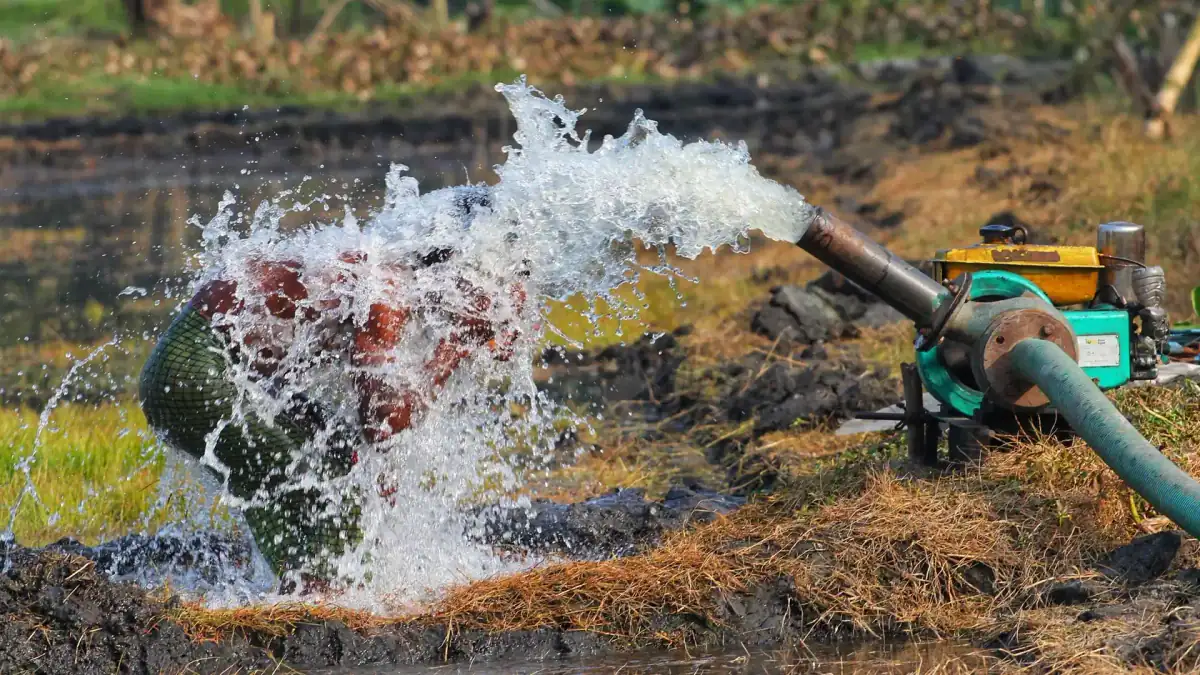
Cesspit pump maintenance in Daiya starts by lifting the cover and checking sludge depth and pit wall condition by eye. We run the pump under full load, extract any buildup and verify air vent flow before handover.
In Daiya houses near the British School, cesspits sit at a uniform depth because of old fill levels, so feed pipes from homes to pits maintain steady fall requiring no extra pump lift. We inspect the centrifugal pump and power feed wire and the float switch that stops it at full. Where we find moisture in the control box or rust on motor leads we advise drying or repair before bigger trouble starts.
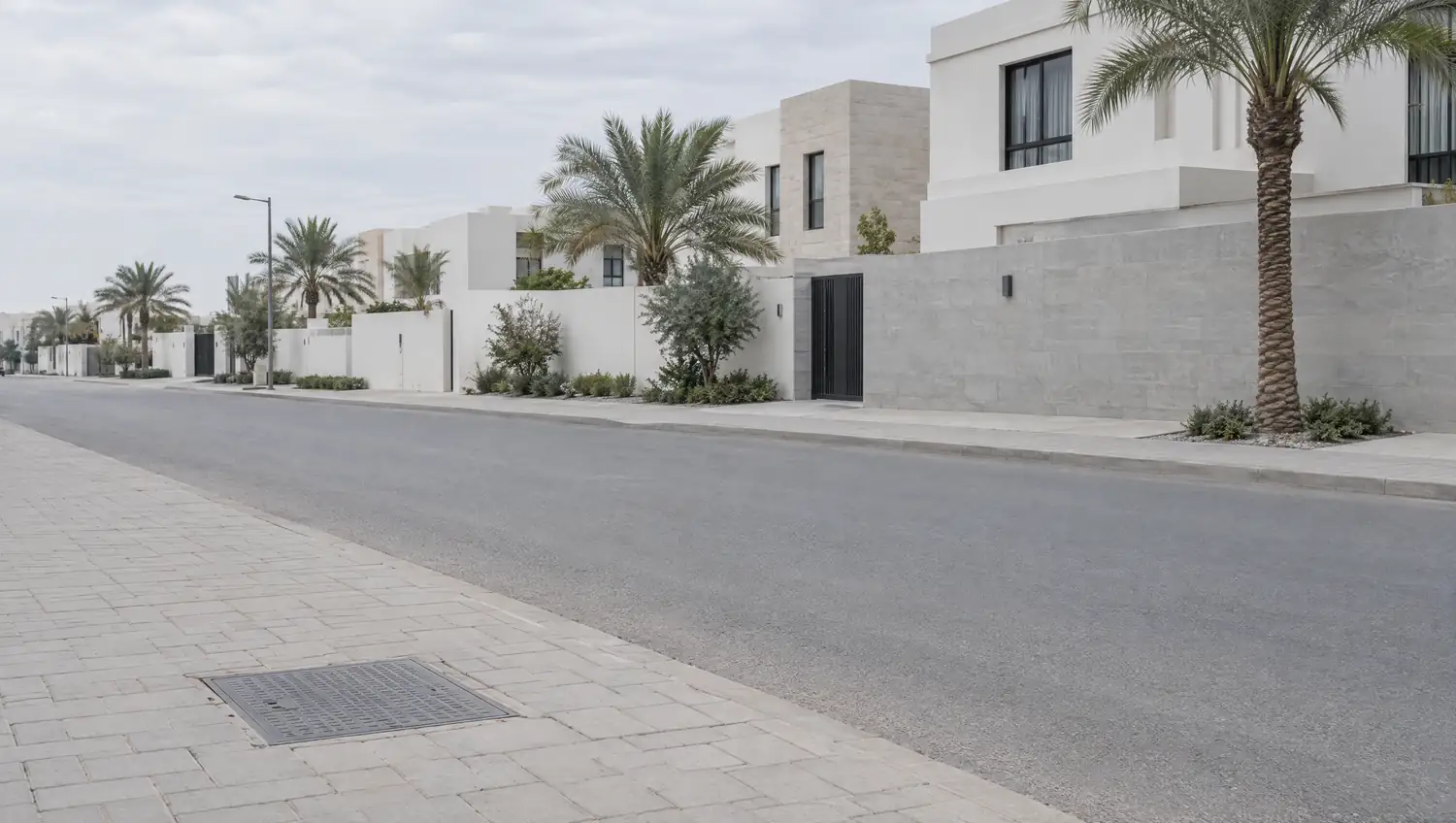
Daiya lies in Kuwait governorate surrounded by wide green spaces, where private cesspits remain the main sewage system.
We test the pump with clean water first because newly installed pits hold high groundwater that can damage the motor.
Checking amperage, pressure and mechanical condition before any decision
Sizing by pit volume, depth and discharge pipe diameter
Discharge line fitted with a non-return valve and sealed joints
Moisture-rated connection suited to a submerged cesspit environment
Float set to correct on and off levels to prevent dry running
Pit filled and a full pump cycle run before the technician leaves
How we work

Tell us what is happening and where, and the right equipment is loaded before we arrive.
We film the line from inside and know the kind of blockage and its exact place. No guessing.
High pressure water, a machine or a drain snake, whichever the line actually needs.

The camera runs a second pass and you see the line clear with your own eyes before we leave.
Same method, same equipment. Only the size of the job changes.
Why us
Amana means trust. Someone else's home is not ours to be careless in.
Do not take our word for it. Look at the line yourself.
Breaking is the last resort, never the first step.
A blocked line does not wait for the morning.
Six governorates, 139 areas.
For buildings and complexes, servicing before the problem starts.
Restaurants, offices and complexes, not only homes.
Common questions
Need someone now? The emergency line is open any hour.
+965 9668 4964
It depends on household size, pit volume and soil type. We check every six months by measuring sludge depth, and if it reaches half the pit height we order pump-out immediately.
The cause might be a power cut, blocked suction filter or motor failure. We check power and filter first, then run the pump unloaded to see if it spins at all.