Current pump assessment
Checking amperage, pressure and mechanical condition before any decision
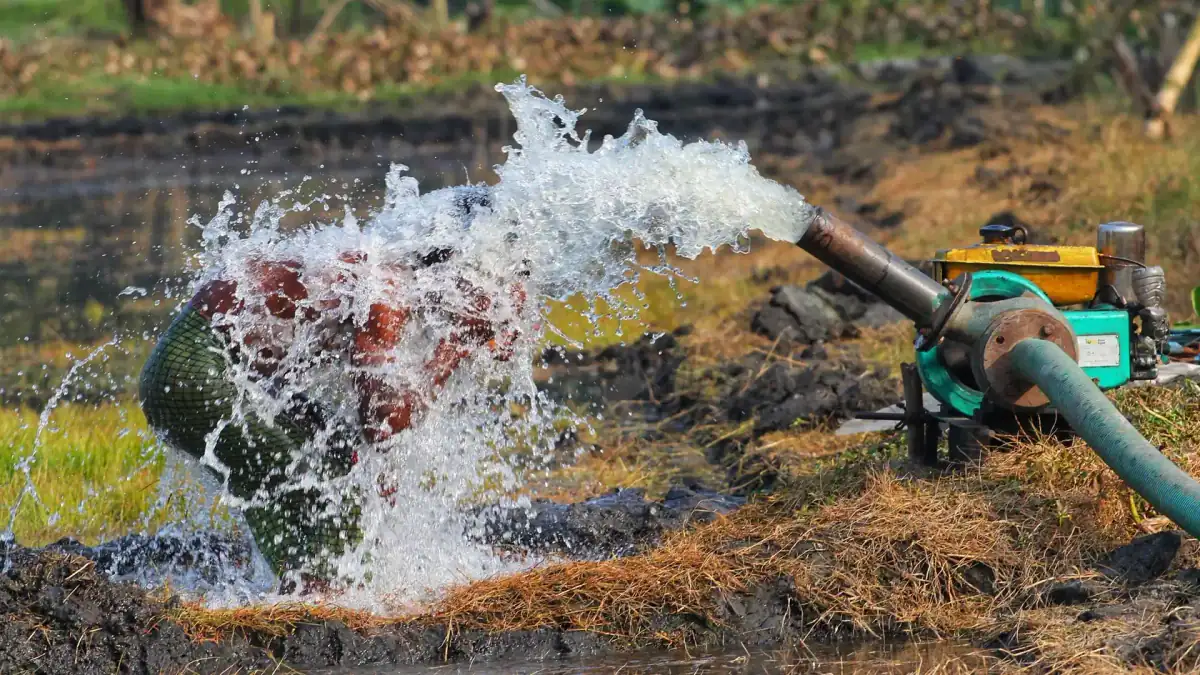
From assessing the existing pump through to handover with a confirmed performance check
Checking amperage, pressure and mechanical condition before any decision
Sizing by pit volume, depth and discharge pipe diameter
Discharge line fitted with a non-return valve and sealed joints
Moisture-rated connection suited to a submerged cesspit environment
Float set to correct on and off levels to prevent dry running
Pit filled and a full pump cycle run before the technician leaves
Describe the symptoms and pit location so we assign the right technician
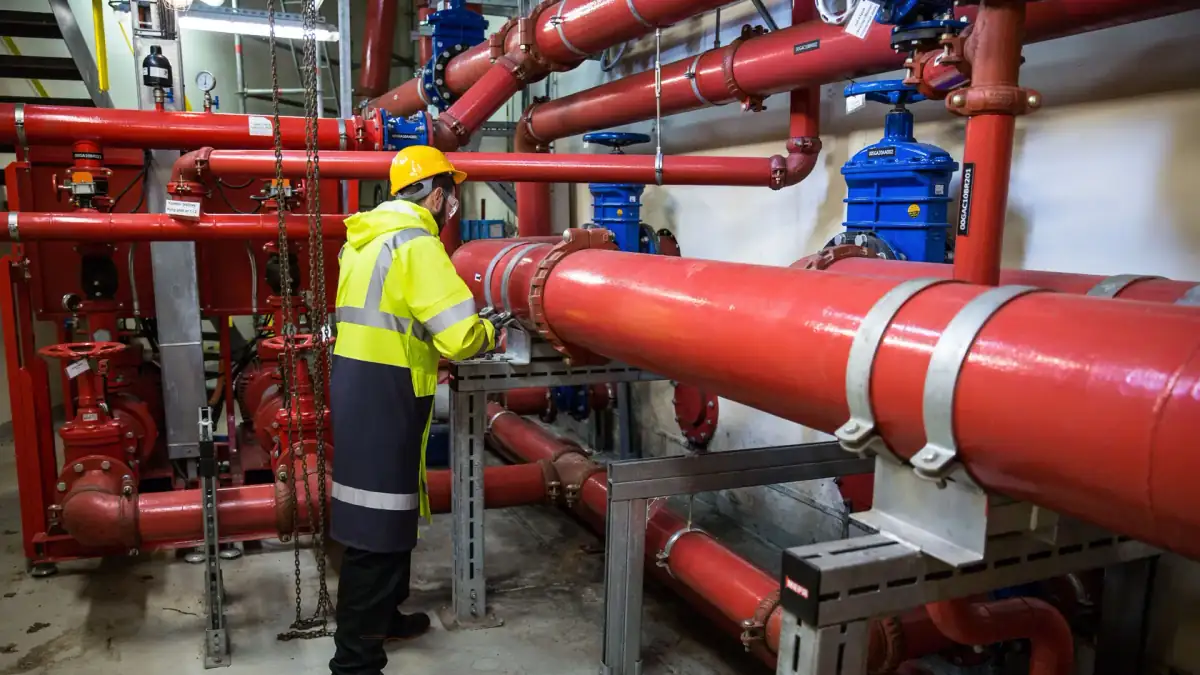
Technician inspects the current pump, measures the pit and checks power supply
Correct capacity selected and price confirmed before any work begins
Pump fitted with non-return valve, float switch and moisture-rated cable
Full pump cycle run in front of the customer to confirm correct discharge
A pump too small for the pit runs continuously and burns out early
Without it, discharged liquid flows back and forces the pump to restart constantly
A float set too high lets the pit overflow before the pump ever starts
Standard cable in a wet pit corrodes and causes repeated trips or shock risk
Know whether the pit is in-ground or in a basement as access affects the quote
Check that a socket or supply panel is nearby before the technician arrives
Measure the existing pipe diameter so the technician brings the right fittings
Note whether the pump is fully silent or runs without discharging to speed diagnosis
Part of Water pump install and service · All services · Back to the home page
No fixed price list applies because these factors decide the actual quote
Submersible or peripheral type and capacity required for the pit size
A pit in a basement or confined space takes longer and raises the cost
Swapping a pump on existing pipework is faster than a full new installation
Corroded or scaled discharge pipes may need replacing before the new pump connects
Calls outside working hours or on holidays affect the final price
Same method, same equipment. Only the size of the job changes.

Why us
Amana means trust. Someone else’s home is not ours to be careless in.
Do not take our word for it. Look at the work yourself.
The leak is marked before a single tile comes up.
A leak does not wait for the morning.
Six governorates, 139 areas.
For buildings and complexes, servicing before the problem starts.
Restaurants, offices and complexes, not only homes.
Six governorates, 139 areas.
Common questions
Need someone now? The emergency line is open any hour.
+965 9668 4964
A cesspit pump lifts accumulated pit contents to the main drain or a suction tanker. A sewage pump handles continuous-flow lines. The two differ in capacity rating and how they are installed.
It can be connected to a float switch that starts the pump automatically at a set level and stops it when the level drops. This is the preferred setup to avoid overflow.
Common causes include a blocked or failed non-return valve, a scaled or obstructed discharge line, or a pump too small for the incoming flow rate. An inspection identifies the real cause.
A periodic check covering the float, valves and current draw is advisable. Frequent use and Kuwait's hard water accelerate wear on moving parts, so early inspection avoids an unexpected breakdown.
Yes. In that case the pump discharges pit contents to a holding tank or a point accessible to a suction tanker. The right arrangement is confirmed after a site visit.