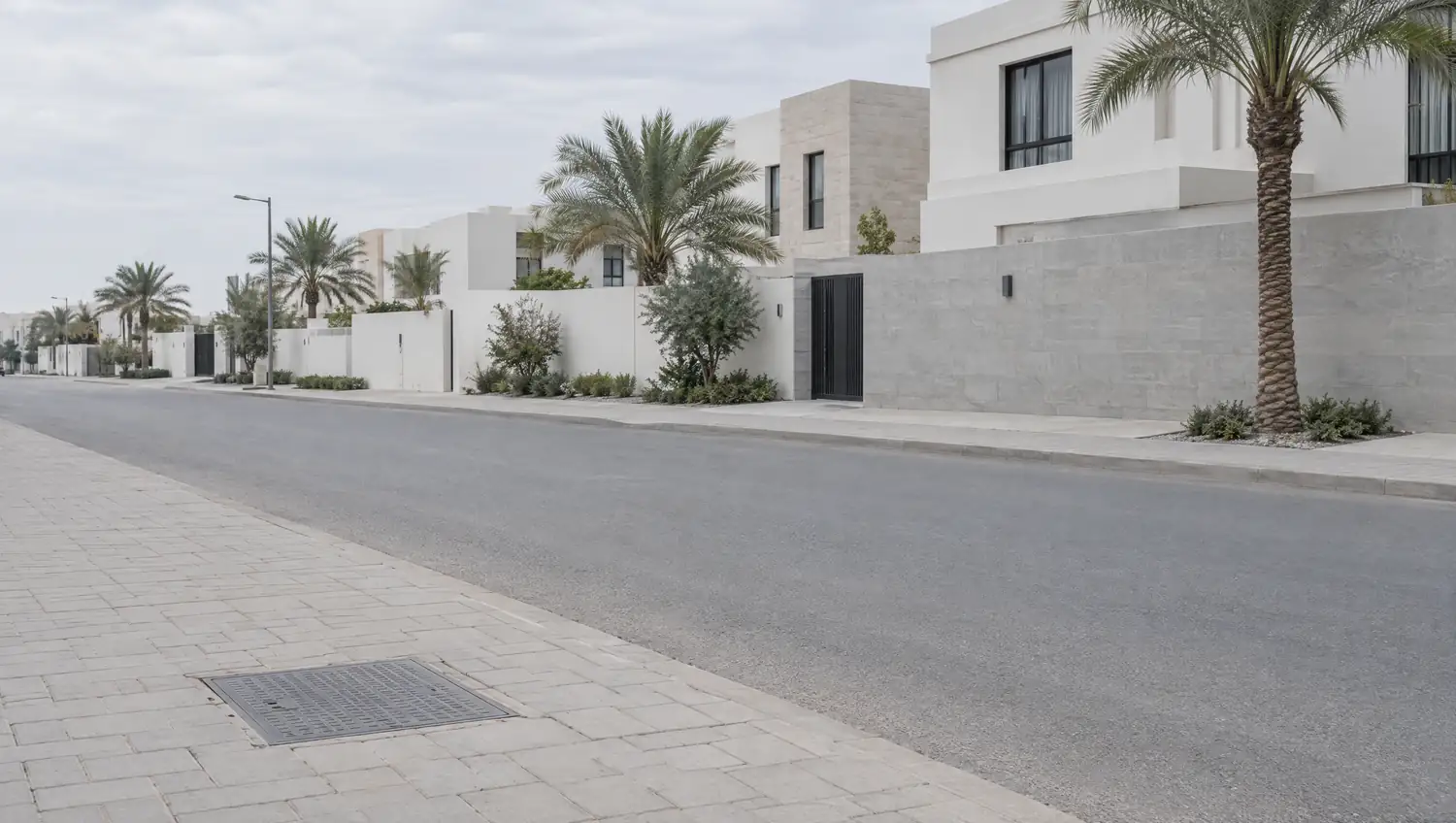
Sediment removal
Vacuuming out compacted silt, sand and sludge from the chamber floor.
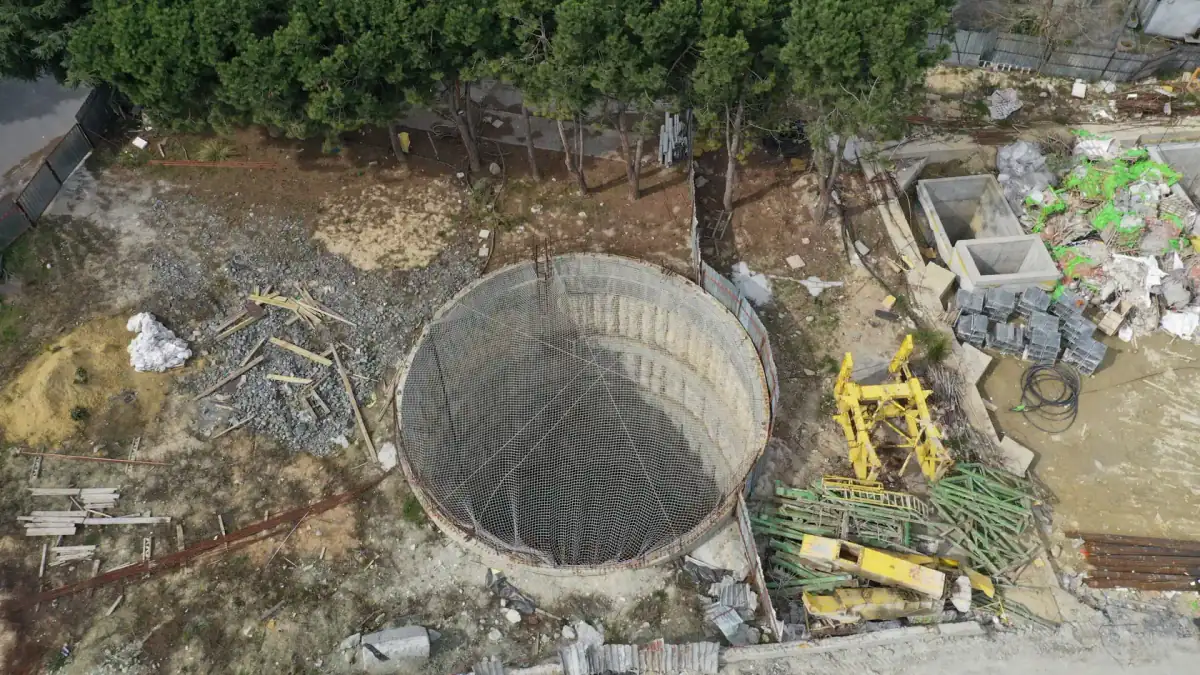
Drain and sewage unclogging
High-pressure jetting and an inside camera confirm the chamber is clean before and after, with no guesswork and no unnecessary breaking.
Cleaning and maintaining sewer manholes and inspection chambers across residential and commercial properties.
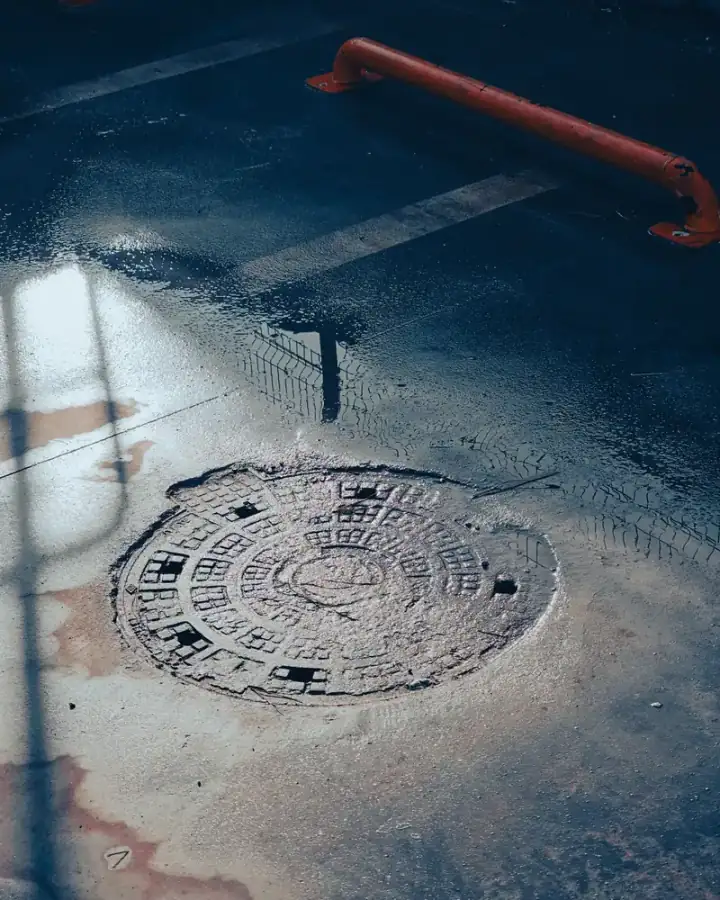
Vacuuming out compacted silt, sand and sludge from the chamber floor.
High-pressure hoses strip grease and scale deposits from the chamber walls.
Camera films the chamber and connecting lines before and after cleaning.
Clearing flow channels inside the chamber so water moves without pooling.
Fitting or replacing damaged and missing manhole covers on site.
Noting cracks or erosion in the chamber walls and recommending repair.
Tell us the property location, number of chambers and the visible problem.
We agree a visit time and the team arrives with the full combination unit.
Camera enters the chamber and records its condition before any work starts.
Suction and jetting clean walls, floor and channels, then connected lines are checked.
Post-clean footage shown to the owner alongside the condition report.
From the inspection camera
Drag the divider and see the difference.
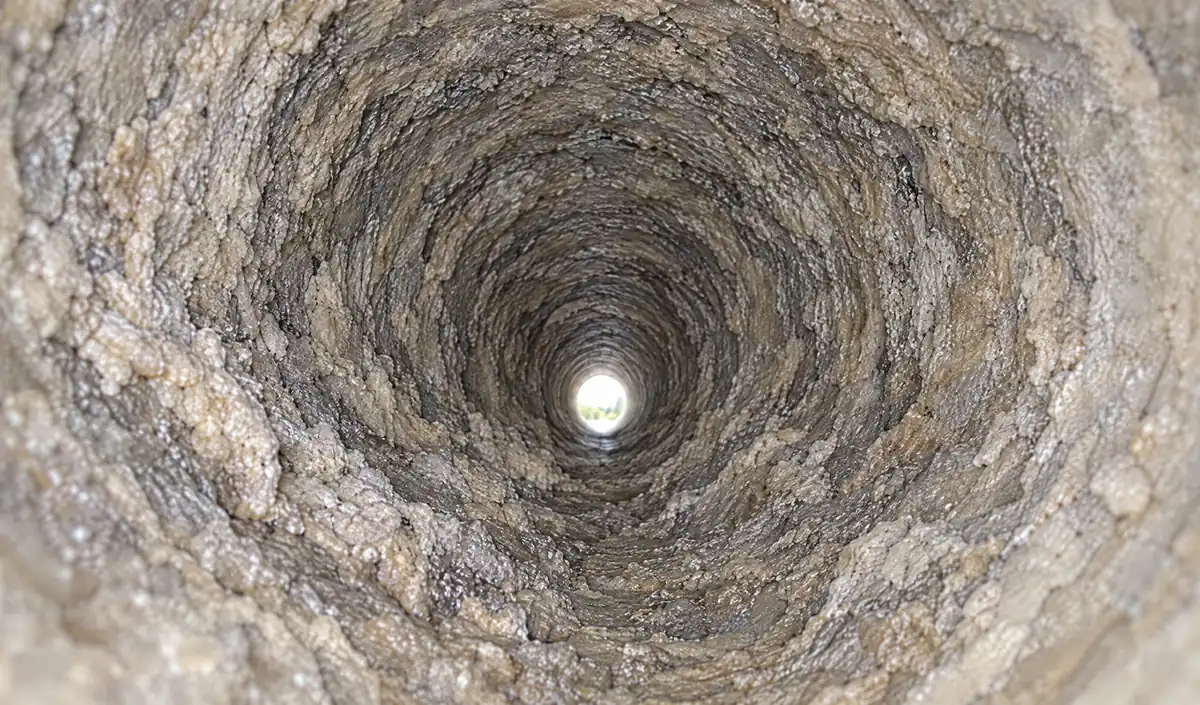
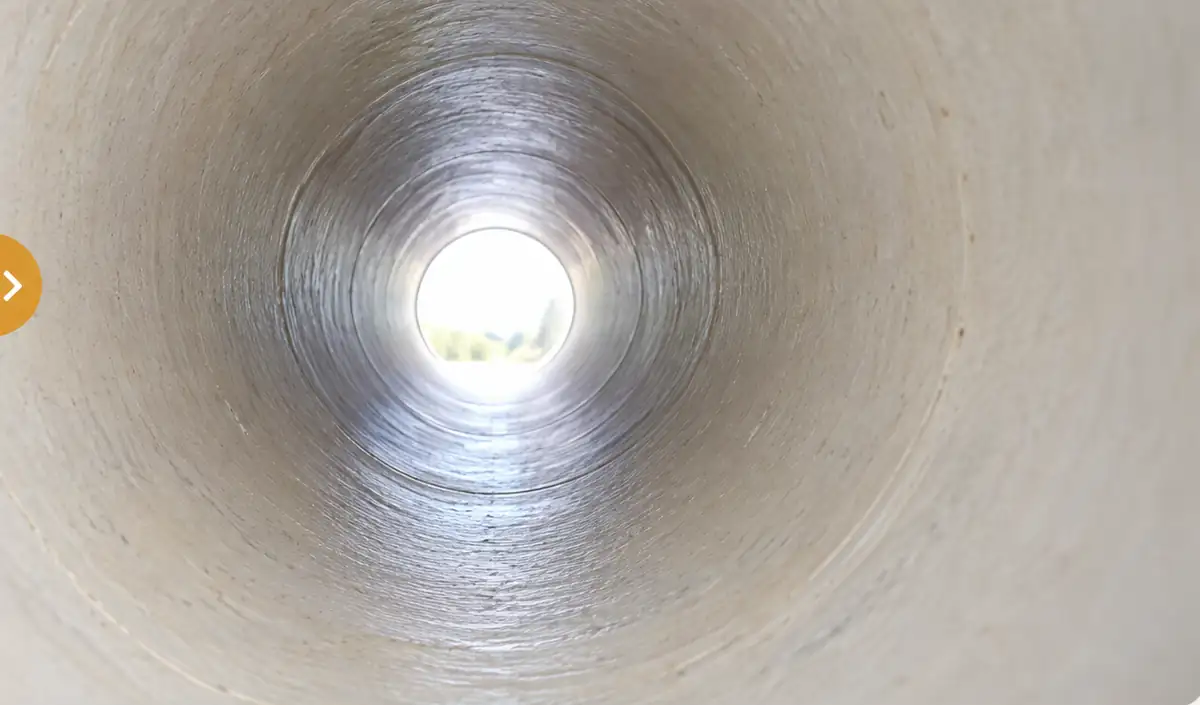
Every job starts with a recording and ends with one. The footage is kept and sent to you.
Delivers suction and high-pressure water simultaneously, clearing the chamber in a single visit without multiple vehicles.
Spins water jets at multiple angles to dislodge grease and compacted deposits from walls and flow channels.
Records the chamber walls, pipe openings and floor before and after so the customer views the same live screen.
Pushed into connecting drain lines to break up partial blockages restricting flow into the chamber.
Vacuuming only the floor leaves grease on the walls and the chamber blocks again quickly.
Cleaning the chamber without checking incoming lines hides a nearby blockage that refills it immediately.
A broken or absent cover lets street sand, insects and a fall hazard directly into the chamber.
Without camera footage before and after, there is no way to confirm the work is complete or detect new cracks.
Work begins by lowering the camera before any tool enters the chamber. The footage records the depth of accumulated silt, the condition of the walls and the state of every connecting pipe opening. This pre-clean record protects the owner and defines the actual scope. In older chambers, the camera may reveal cracking or eroded brickwork that needs assessing before high-pressure jetting is applied, since strong water pressure on a weakened wall can worsen rather than help the structure.
Once the pre-clean footage is taken, the combination tanker vacuums the floor while the rotating jetting nozzle strips the walls and the internal flow channels. Those channels deserve particular attention because even a partial deposit slows water movement and raises the chamber level without creating a full blockage. After jetting, a rodding assembly is pushed into each connecting drain line to confirm nothing is restricting flow upstream or downstream of the chamber itself.
The visit closes with a second camera pass shown on the same screen beside the pre-clean footage, so the owner can compare the two directly. If the inspection reveals a broken or missing cover, it is fitted before the team leaves, because an open chamber in a driveway or pavement continuously collects street sand and creates a safety hazard. Any cracks in the chamber walls are documented in the condition report and discussed with the owner before departure.
Part of Drain and sewage unclogging · All services · Back to the home page
No fixed rate applies; these factors together shape the actual quote.
Deeper and wider chambers need more jetting time and water volume.
A long-neglected chamber holds compacted layers that are harder to clear.
Cleaning a network of several chambers in one visit differs from a single unit.
Fitting a new or replacement manhole cover adds to the cleaning cost.
Emergency calls at night or on public holidays are priced differently.
Same method, same equipment. Only the size of the job changes.
Why us
Amana means trust. Someone else’s home is not ours to be careless in.
Do not take our word for it. Look at the line yourself.
Breaking is the last resort, never the first step.
A blocked line does not wait for the morning.
Six governorates, 139 areas.
For buildings and complexes, servicing before the problem starts.
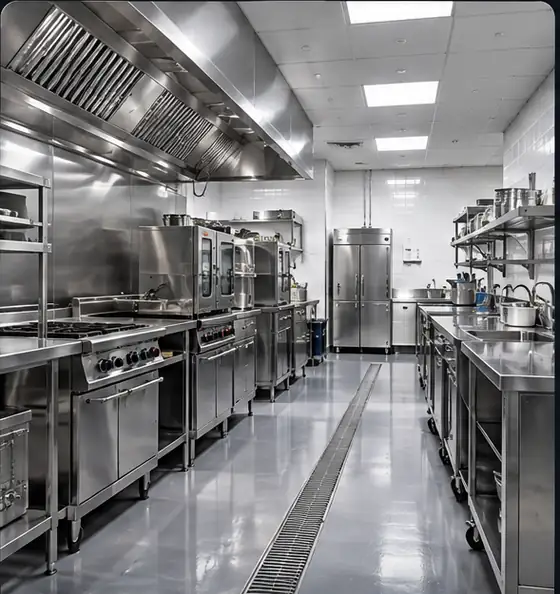
Restaurants, offices and complexes, not only homes.
Six governorates, 139 areas.
Common questions
Need someone now? The emergency line is open any hour.
+965 9668 4964
It depends on the network size and the number of units draining into it. Chambers receiving heavy kitchen discharge accumulate grease faster than others. The camera reading at each visit is the real measure for deciding the right cleaning cycle.
In most cases yes, because the combination unit works continuously. If the chamber sits on a main line under constant flow, timing the work during low-use hours is coordinated with the owner beforehand.
Cracks are documented in the condition report and discussed with the owner before the team leaves. Jetting is done carefully to avoid worsening the damage, and structural repair is assessed as a separate step.
If the smell comes from organic buildup in the chamber, cleaning removes it. But sewer odour can also come from a dry trap in an unused room or a cracked line. The camera identifies the real source so the right fix is applied.
Yes. If a cover is broken or missing it is fitted in the same visit so the chamber is not left open in a driveway or pavement.
Yes. We serve residential complexes, commercial properties and facilities with external sewer networks that include multiple manholes and inspection chambers in sequence.