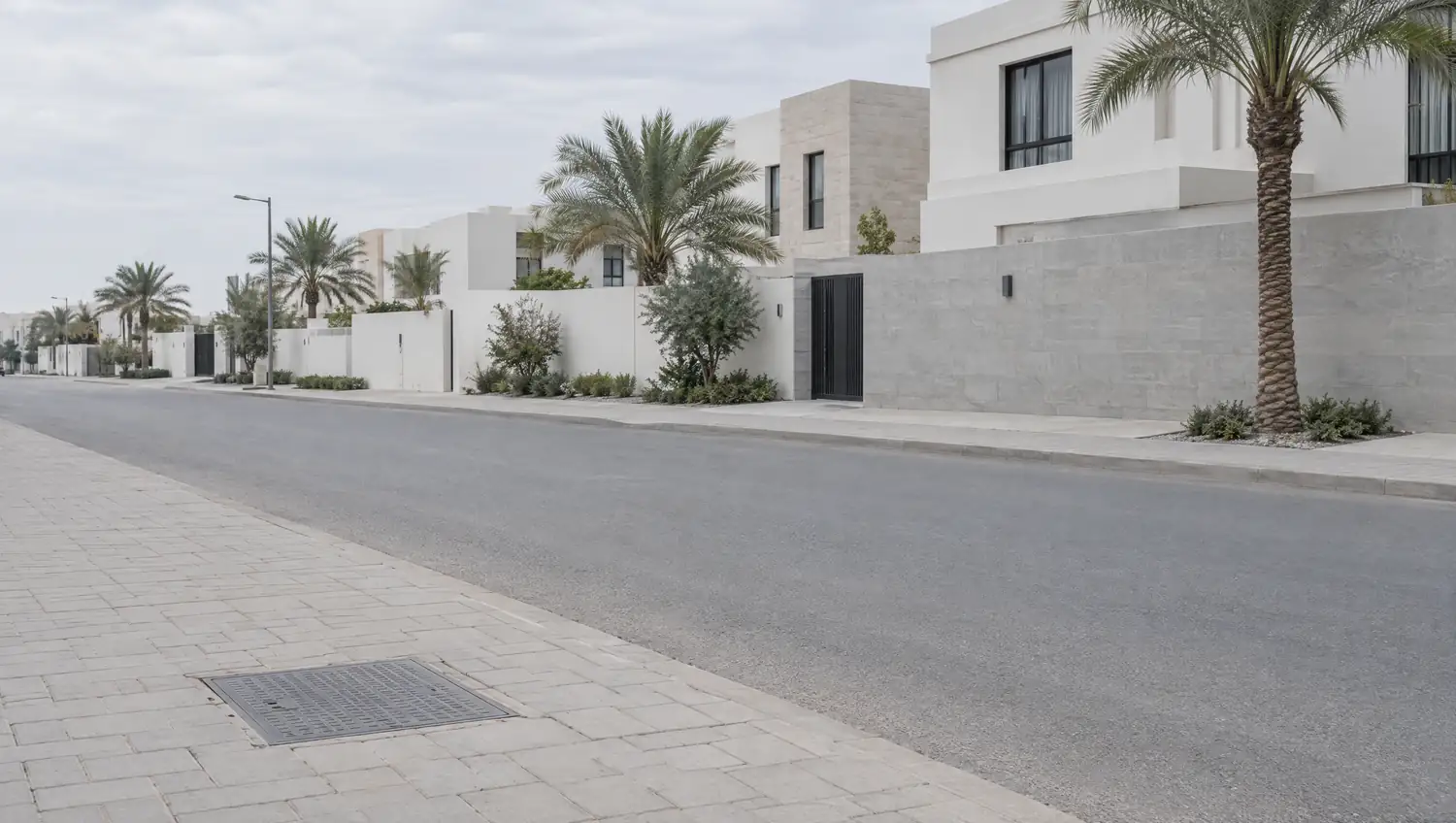
Frame condition check
Existing frame inspected before any fitting to confirm it can hold the new cover
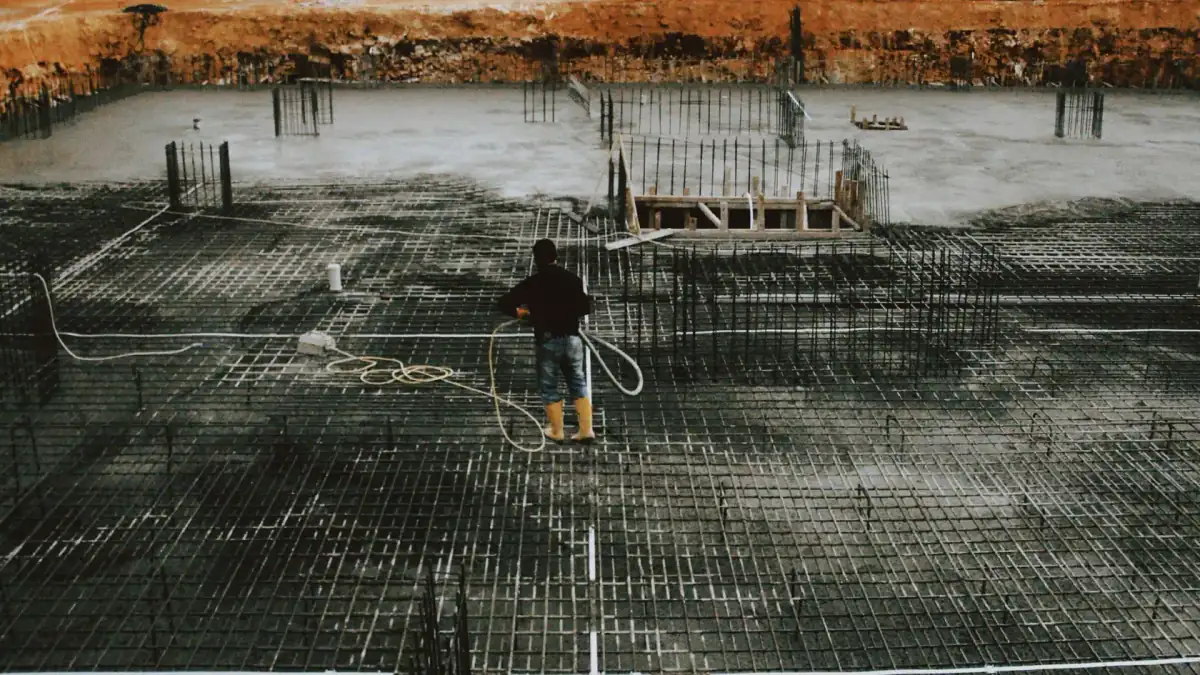
Manhole and inspection chamber cleaning
Broken, missing or rocking covers replaced with the right frame, bedded level and locked in place before we leave
From selecting the right cover grade to bedding, levelling and confirming the seal
Existing frame inspected before any fitting to confirm it can hold the new cover
Load rating matched to location: pedestrian walkway or vehicle driveway
Broken frame lifted cleanly without disturbing the chamber walls below
Frame set on a firm, even bed to prevent rocking or sinking under load
Cover surface aligned flush with surrounding tile or asphalt to eliminate a trip edge
Cover pressed and lifted to confirm no rocking, play or misalignment before handover
Describe the manhole location and the condition of the cover and frame
Visit scheduled and the correct cover grade brought to the site
Existing frame examined to decide if it stays or needs replacing
Cover fitted on a firm bed and set flush with the surrounding surface
Cover tested for stability, confirmed solid, and the job handed over
From the inspection camera
Drag the divider and see the difference.
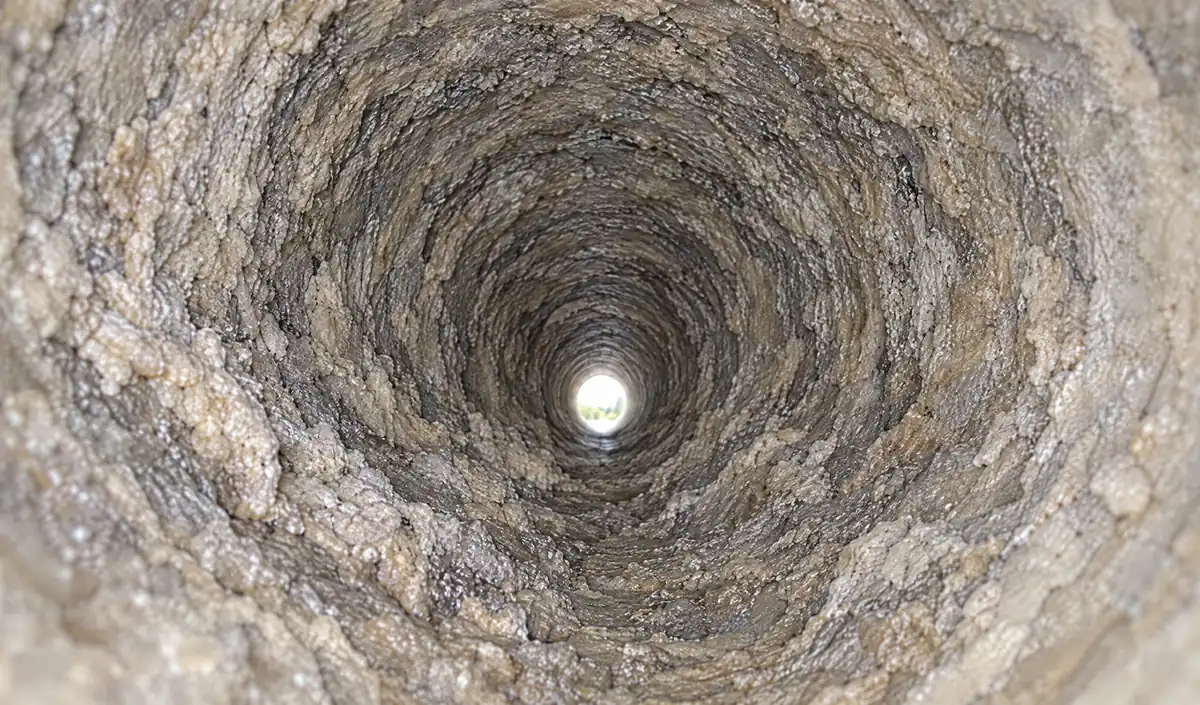
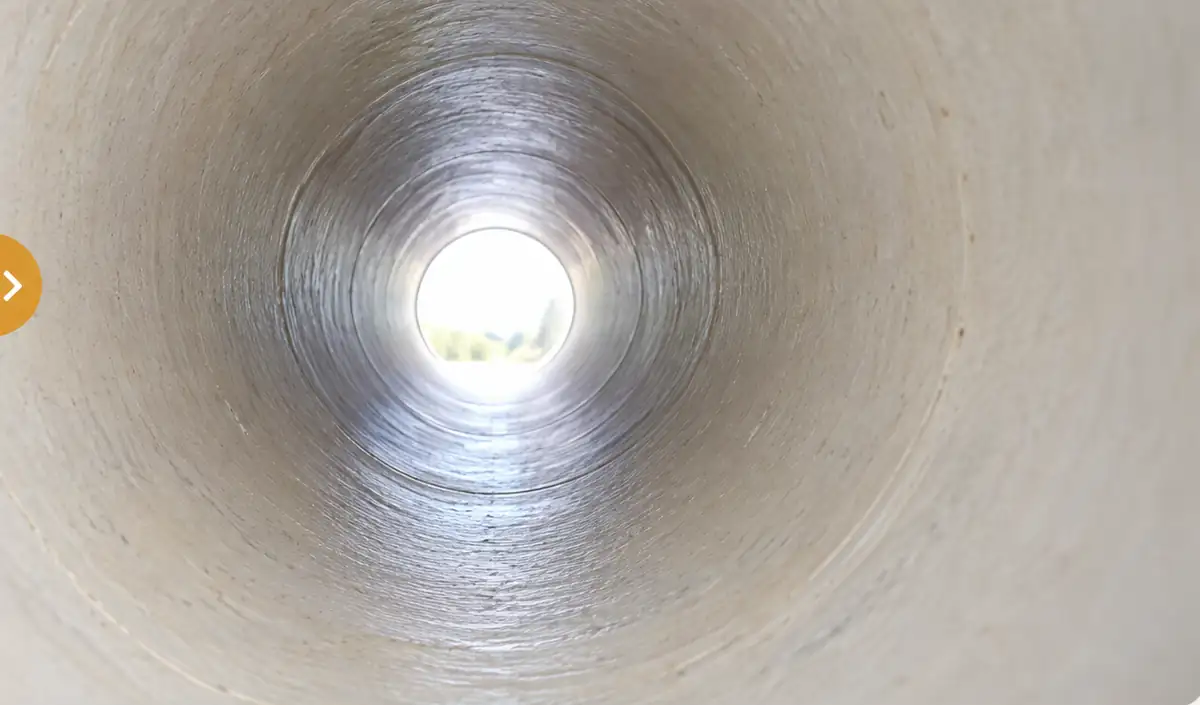
Every job starts with a recording and ends with one. The footage is kept and sent to you.
A cover that tips or clunks when stepped on has lost its seating and needs refitting
A visible crack or break leaves the opening unsafe for foot or vehicle traffic above
An open manhole in a driveway or garden is an immediate hazard needing same-day attention
A sunken frame collects water on top and blocks surface drainage during winter rain
Knowing if it sits in a driveway, walkway or garden lets us bring the right load-rated cover
A rough measurement of the opening diameter or dimensions helps match the replacement cover quickly
Check if the frame is also damaged or still solid, as this affects whether it needs replacing too
Tell us if vehicles drive over it, as a traffic-rated cover differs from a pedestrian one
No fixed rate applies; the quote depends on factors specific to each cover and frame situation
A traffic-rated cover costs more than a standard pedestrian-grade lid
A sound frame is reused; a broken one adds material and labour to the job
Bedding into asphalt differs from setting into tiled or concrete surrounds
Fitting multiple covers in one visit affects the overall quote
Calls outside normal working hours or on holidays are priced differently
Same method, same equipment. Only the size of the job changes.

Why us
Amana means trust. Someone else’s home is not ours to be careless in.
Do not take our word for it. Look at the line yourself.
Breaking is the last resort, never the first step.
A blocked line does not wait for the morning.
Six governorates, 139 areas.
For buildings and complexes, servicing before the problem starts.
Restaurants, offices and complexes, not only homes.
Six governorates, 139 areas.
Common questions
Need someone now? The emergency line is open any hour.
+965 9668 4964
Yes, if the frame is still sound and level. We check it on site first. If it is damaged or has sunk, we replace it along with the cover, because a good lid on a broken frame will not stay stable.
The difference is load rating. A driveway cover is built to carry vehicle weight and is heavier and thicker, while a pedestrian cover is suited only to areas where no vehicles cross.
Usually no. If the frame is sound, the cover is fitted without any breakage. Replacing the frame may need removing a narrow border of adjacent tiles only, far less than a speculative dig.
Yes. When cleaning and cover fitting are requested together, we bring the right cover on the same visit so the chamber is not left open after the work is done.
Yes. Some indoor inspection chambers need a sealed cover with a gasket to stop sewer gas from entering the floor. We confirm the right type after inspecting the chamber and its location.