Operation and maintenance contract
Scheduled periodic visits with a written report after each one
Plumbing and sanitary works
Regular network checks, a written record of every visit, and fast action on any leak or blockage before it causes damage to walls, floors or tanks.
Full care of water supply and drainage networks in residential and commercial buildings across Kuwait
Scheduled periodic visits with a written report after each one
Full coverage across all units in a building or residential complex
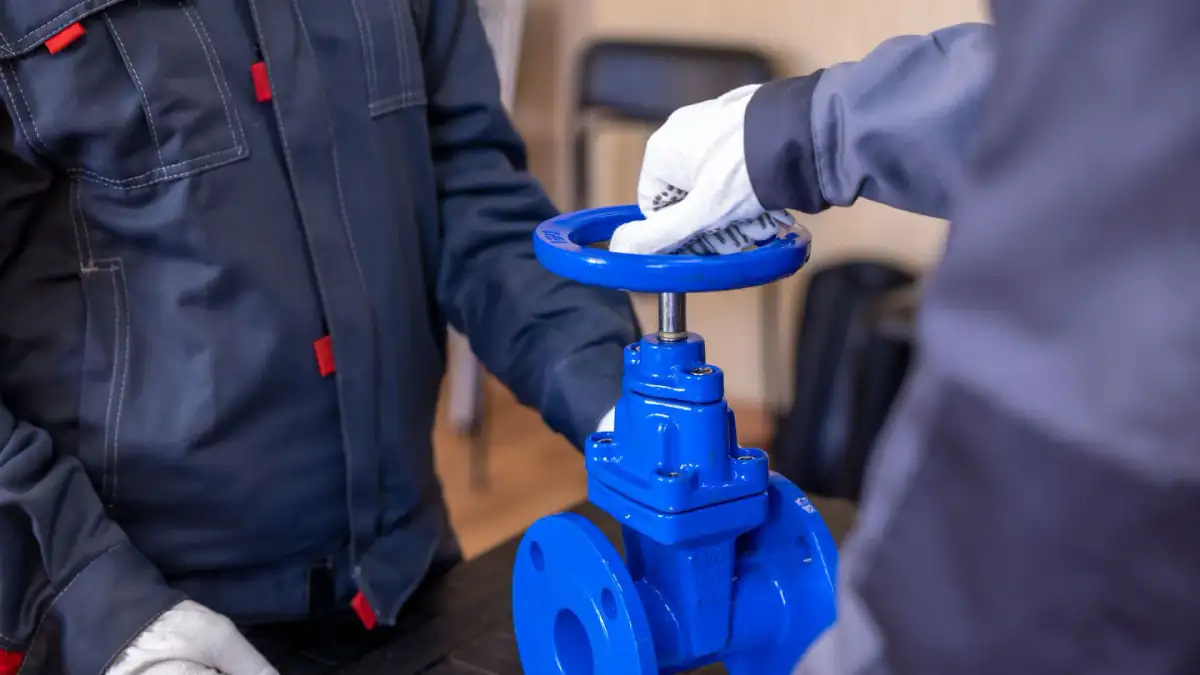
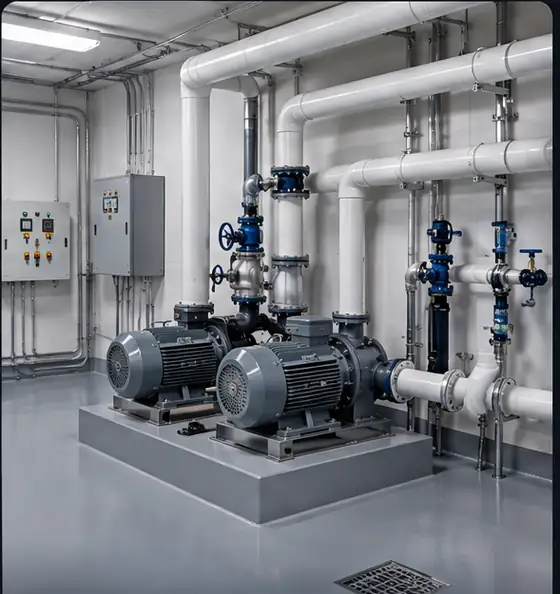
Checking water pressure, pumps, tanks and isolation valves throughout
Inspecting drain runs and catching partial blockages early
Periodic acoustic and visual checks for leaks behind walls or under tiles
Written record per visit showing condition, work done and recommendations
Call or WhatsApp us describing the building and your maintenance need
Initial visit to inspect the full network and record its current condition
Agreeing visit schedule, coverage scope and reporting format
Regular inspection visits each with a written handover report
Faults between visits handled as priority call-outs under the contract
Films drain runs from inside to catch partial blockages and cracks before they worsen
Fitted to the supply network each visit to track any gradual pressure loss over time
Pinpoints leaks behind walls and tiled surfaces without random breaking
A building-specific file that builds across visits and reveals recurring patterns before they become faults
Waiting for faults to appear multiplies repair costs and lets damage spread to walls and ceilings
Gradual pressure loss is an early sign of scale buildup or pump wear before full failure
Ground and roof tanks corrode internally without visible signs, quietly affecting water quality
Without a fixed checklist, whole sections go unchecked each visit and silent faults accumulate
Proper scheduled maintenance starts with a full baseline survey on the first visit: supply pressure measured at several points, ground and roof tanks checked, pumps tested and main isolation valves reviewed. That baseline becomes the reference for every later visit, because a gradual change in pressure, noise or drain flow tells you more than any single snapshot. In Kuwait's hard-water environment, scale builds inside pipes and on valve seats across months, and only a consistent record reveals it early enough to act cheaply.
A building or complex contract differs from a single-unit call-out because it covers every unit and every shared line. That coverage makes patterns visible: if units on a particular floor consistently show weak pressure, the fault almost certainly lies in the shared riser or the pump setting rather than in any individual flat. Drain runs in commercial kitchens and restaurant buildings accumulate grease and mineral deposits faster than residential lines, so the inspection frequency and the camera inspection points are set to match the actual usage pattern of each building.
At the end of each visit a written report is handed over listing what was inspected, what was repaired and what should be monitored next time. That report helps the building owner plan expenditure, because it distinguishes between what needs immediate action and what can wait. Emergency faults that arise between scheduled visits are typically covered under the contract and handled as a priority call-out, since fast response to an unexpected failure is a core part of what a maintenance contract is supposed to provide.
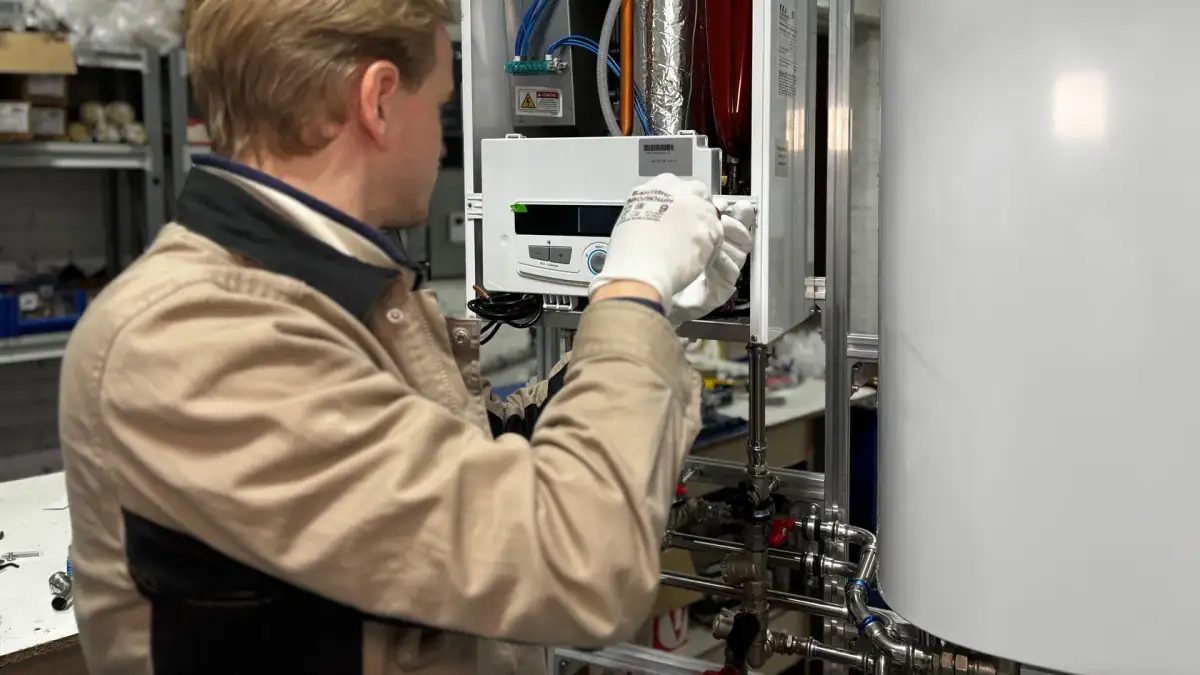
Part of Plumbing and sanitary works · All services · Back to the home page
Several factors specific to each building shape the contract quote, with no fixed list price
Number of units, floors and risers sets the volume of work per visit
Commercial and restaurant buildings need more frequent visits than residential ones
Older networks with galvanised iron pipes take longer to inspect and need closer monitoring
The agreed number of annual visits directly affects the contract value
Whether the contract covers spare parts and emergency repairs or inspection only
Same method, same equipment. Only the size of the job changes.
Why us
Amana means trust. Someone else’s home is not ours to be careless in.
Do not take our word for it. Look at the work yourself.
The leak is marked before a single tile comes up.
A leak does not wait for the morning.
Six governorates, 139 areas.
For buildings and complexes, servicing before the problem starts.
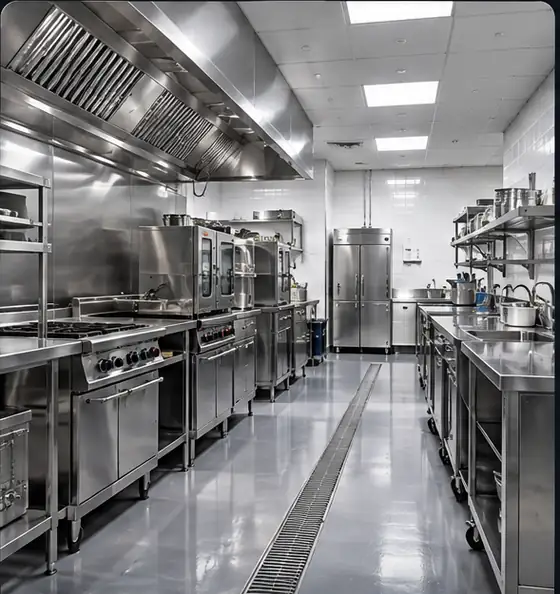
Restaurants, offices and complexes, not only homes.
Six governorates, 139 areas.
Common questions
Need someone now? The emergency line is open any hour.
+965 9668 4964
An operation and maintenance contract covers the full plumbing network including pumps, tanks, supply lines and drains. A building maintenance contract typically wraps all units in a residential complex under one agreement with consolidated reports handed to the owner or building manager.
Yes, commercial buildings, restaurants and commercial kitchens are all covered. Commercial networks typically need more frequent visits because of higher load and faster grease accumulation in drain runs.
Emergency faults between scheduled visits are normally handled as a priority call-out under the contract terms. Fast response is a core part of the contract's value, because the time between a leak appearing and being fixed is what determines how much damage results.
Yes, ground and roof tanks and their connected pumps are part of the periodic inspection. Pumps are tested and their pressures measured, and tanks are visually inspected for corrosion or sediment buildup.
Yes, every visit ends with a written report handed to the owner or building manager. It states what was inspected, what was repaired and what needs monitoring at the next visit.
Frequency depends on occupancy type, network age and number of units. Commercial and restaurant buildings need more visits than residential ones, and older galvanised iron networks call for closer and more regular monitoring than newer PPR or uPVC systems.