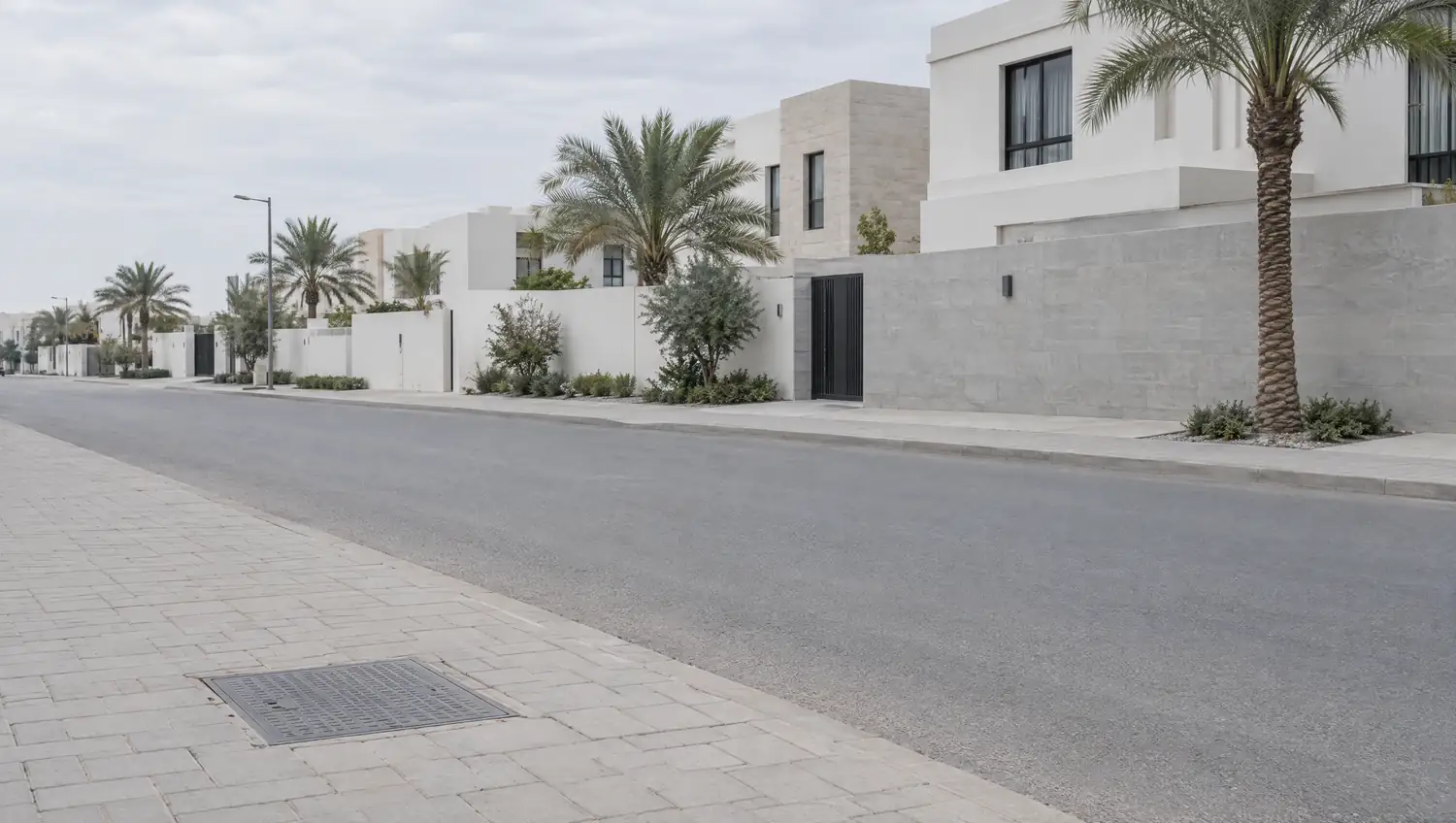
New pipe runs
Cold and hot supply lines routed to fixtures and tanks.
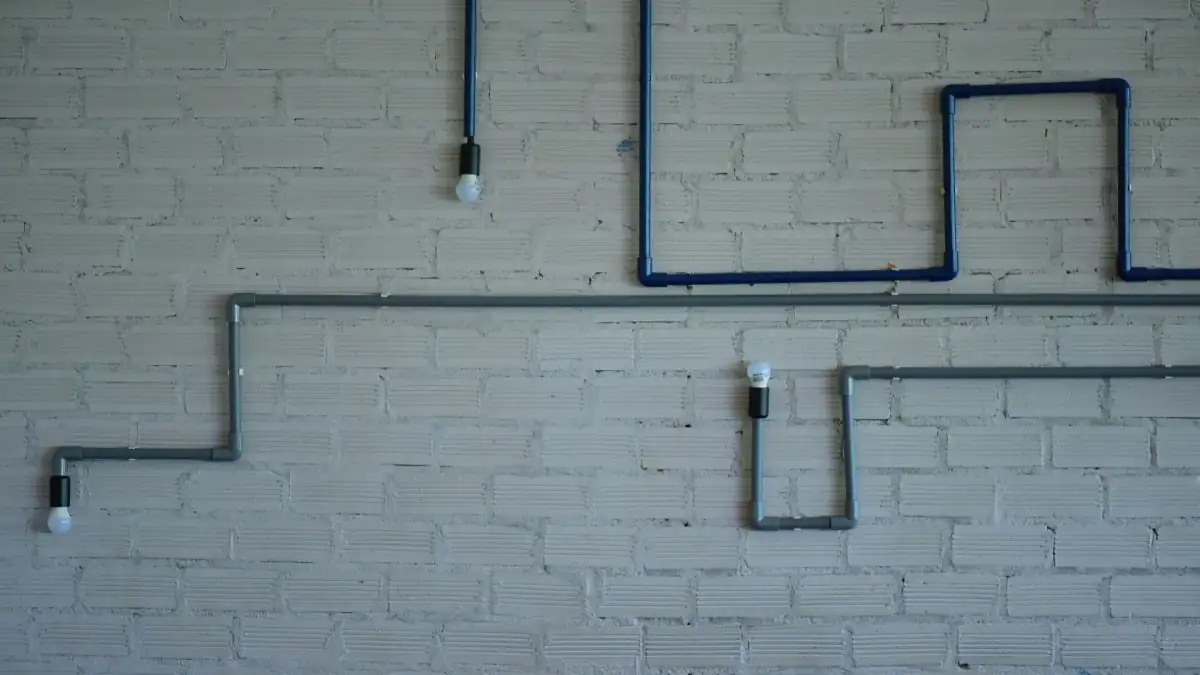
Jahra
Laying water pipes in South Jahra starts by reading the building plan to find the roof tank, kitchen and bathroom locations. We pick the right diameter for flow and pressure, run the pipes underground or through walls, then test the route under full pressure.
In South Jahra houses the roof tank sits at a fixed height and distribution lines fall from the tank to every use point. We check the pipe fall during installation to prevent air pockets that cut flow, and choose routes underground or within walls to shield pipes from heat and UV. On long runs we fit a support bracket every one and a half metres to stop sagging.
South Jahra is a residential district in Jahra governorate where houses are built with elevated roof tanks and vertical distribution from ground floor to upper storeys.
Before delivery the entire route is filled with water and every joint and hole is checked for leaks for thirty minutes.
Cold and hot supply lines routed to fixtures and tanks.
Leak located acoustically and by camera before any breaking.
Wrapping exposed or roof-level pipes against heat and condensation.
Removing mineral scale that narrows the pipe wall over time.
Targeted clearance of blocked supply lines without unnecessary breaking.
Internal camera pass and pressure check before pipes are concealed.
How we work

Tell us what is happening and where, and the right equipment is loaded before we arrive.
We film the line from inside and know the kind of blockage and its exact place. No guessing.
High pressure water, a machine or a drain snake, whichever the line actually needs.
The camera runs a second pass and you see the line clear with your own eyes before we leave.
Same method, same equipment. Only the size of the job changes.
Why us
Amana means trust. Someone else's home is not ours to be careless in.
Do not take our word for it. Look at the line yourself.
Breaking is the last resort, never the first step.
A blocked line does not wait for the morning.
Six governorates, 139 areas.
For buildings and complexes, servicing before the problem starts.
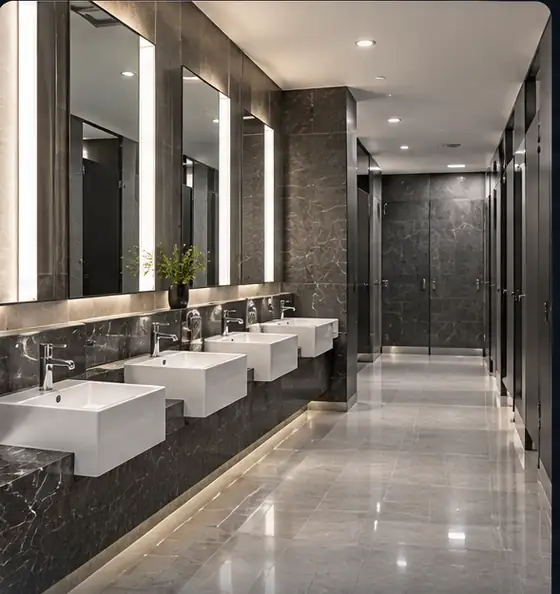
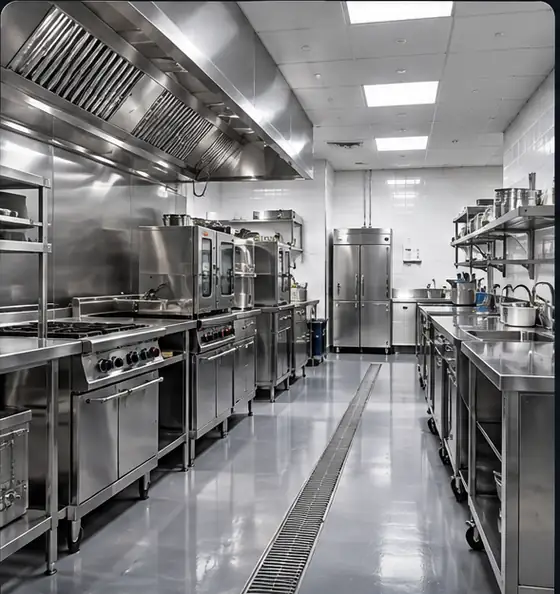
Restaurants, offices and complexes, not only homes.
Common questions
Need someone now? The emergency line is open any hour.
+965 9668 4964
Underground pipes are better insulated from heat but need trenches dug and refilled. Wall pipes install faster but need thick walls and permission to cut channels in the masonry.
We test twice: once after laying pipes and before covering them underground, and again after full connection to the tank and end points. Pressure is recorded for ten minutes each time to confirm it holds steady.