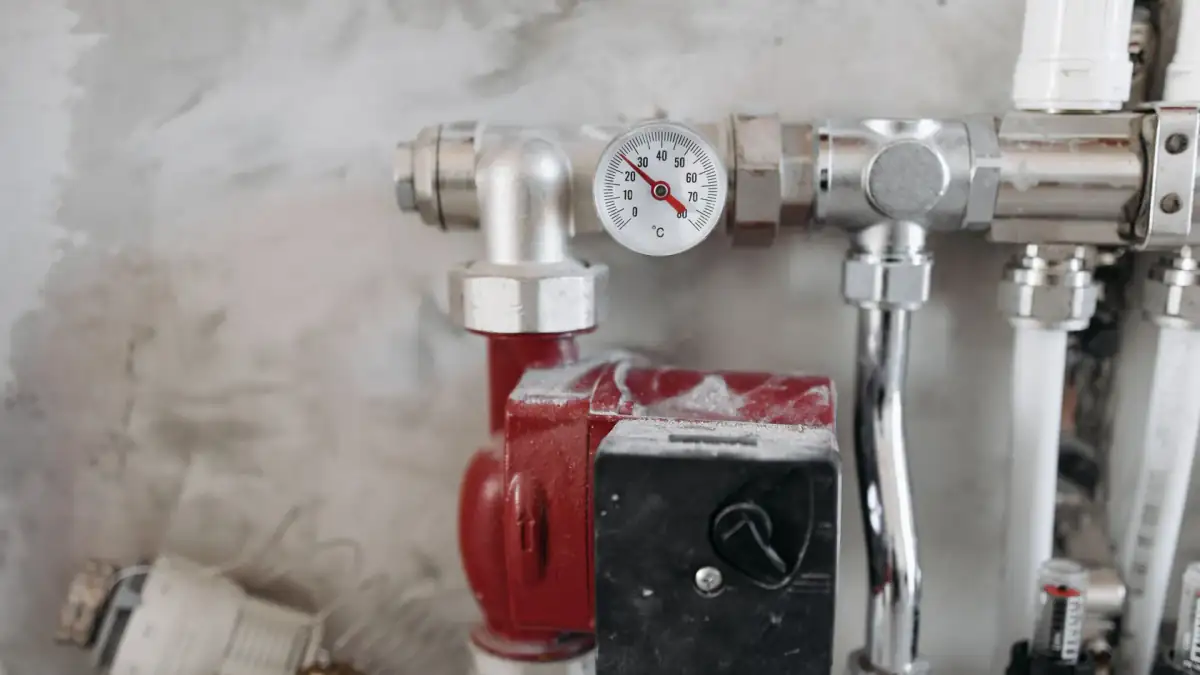
Roof-tank pump
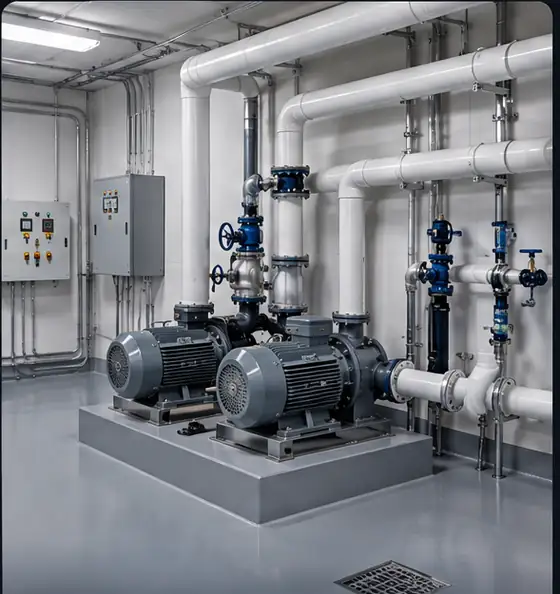
Transfers water from ground tank to roof tank reliably.
Hawalli
Pump installation in Salwa starts by understanding the rooftop tank type and the pressure needed to draw water from the main line. We measure roof height and distance from the meter, then pick a pump powerful enough to fill the tank without stopping. We fit pipe, valves, filters, run the system and monitor flow and pressure.
Old Salwa houses often rely on small rooftop tanks and low-pressure taps on upper floors. This means the pump must lift water from the street through long horizontal metal pipes that may sag or crack. We inspect existing pipes first and fit a strainer before the pump to protect the new unit from sand and rust. Cold supply water causes condensation on the metal body, so we wrap pipes with insulation to stop leaks and corrosion.
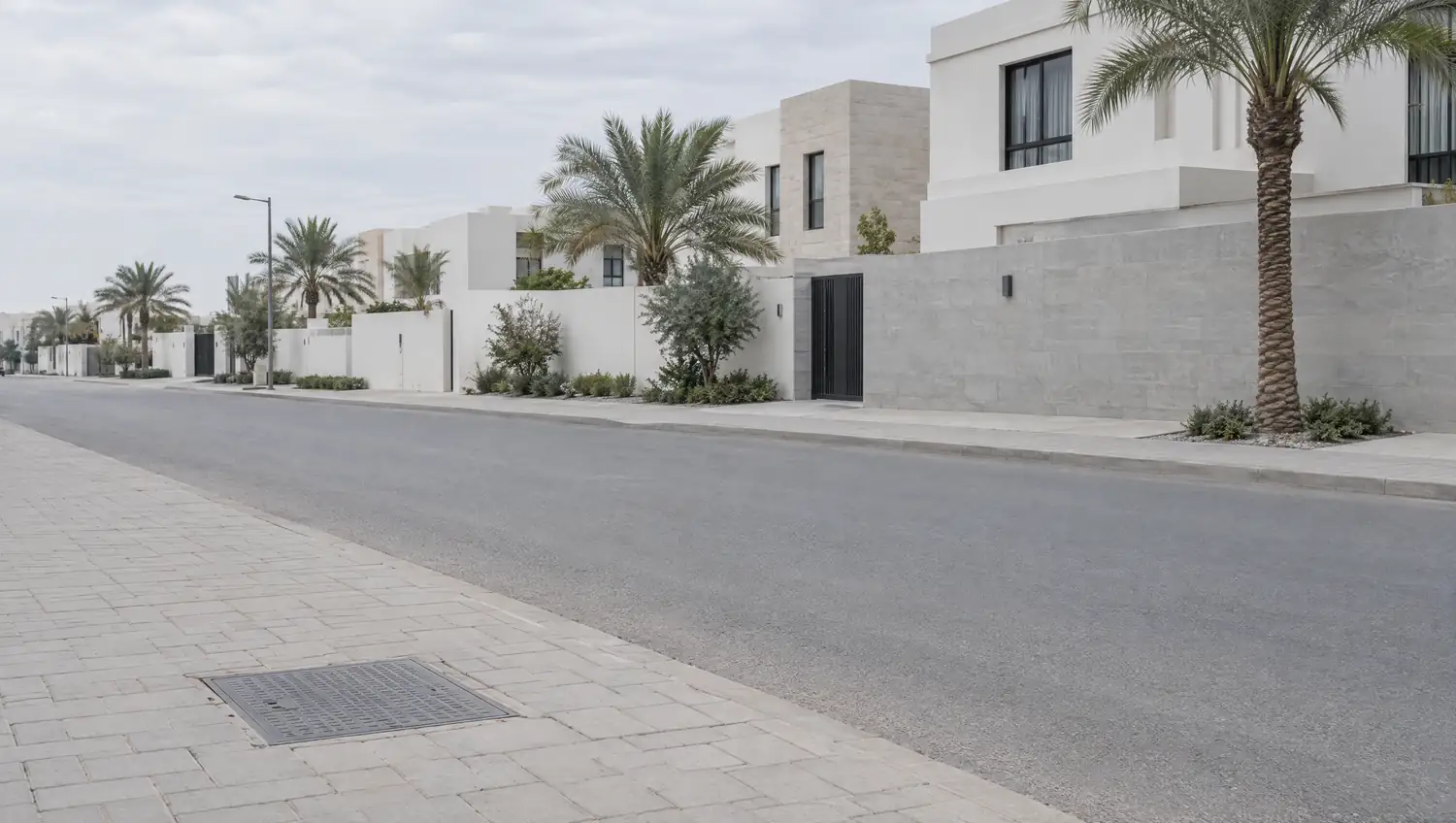
Salwa lies in Hawalli governorate near Salwa Co-op, an older residential zone where most homes have simple rooftop tanks.
After fitting, we measure pump outlet pressure with a gauge on the test valve to confirm water reaches the roof.
Transfers water from ground tank to roof tank reliably.
Keeps hot water at the tap without a long wait.
Sets correct cut-in and cut-out points, stops short-cycling.
Evacuates cesspits efficiently with a non-return valve fitted.
Lifts sewage from low-level units to the drainage network.
Protects basements from water accumulation via float-activated switch.
How we work

Tell us what is happening and where, and the right equipment is loaded before we arrive.
We film the line from inside and know the kind of blockage and its exact place. No guessing.
High pressure water, a machine or a drain snake, whichever the line actually needs.

The camera runs a second pass and you see the line clear with your own eyes before we leave.
Same method, same equipment. Only the size of the job changes.
Why us
Amana means trust. Someone else's home is not ours to be careless in.
Do not take our word for it. Look at the line yourself.
Breaking is the last resort, never the first step.
A blocked line does not wait for the morning.
Six governorates, 139 areas.
For buildings and complexes, servicing before the problem starts.
Restaurants, offices and complexes, not only homes.
Common questions
Need someone now? The emergency line is open any hour.
+965 9668 4964
Noise usually comes from air in the suction line or from pressure that is too high on the pipe. We open the air valve on the pump and bleed it slowly until water flows steadily. If noise continues, the pressure relief valve may need adjusting.
Yes, every six months the strainer should be checked and cleaned of sand and rust particles. We inspect pipes and joints for leaks and confirm the pump is drawing water cleanly with no air entering.