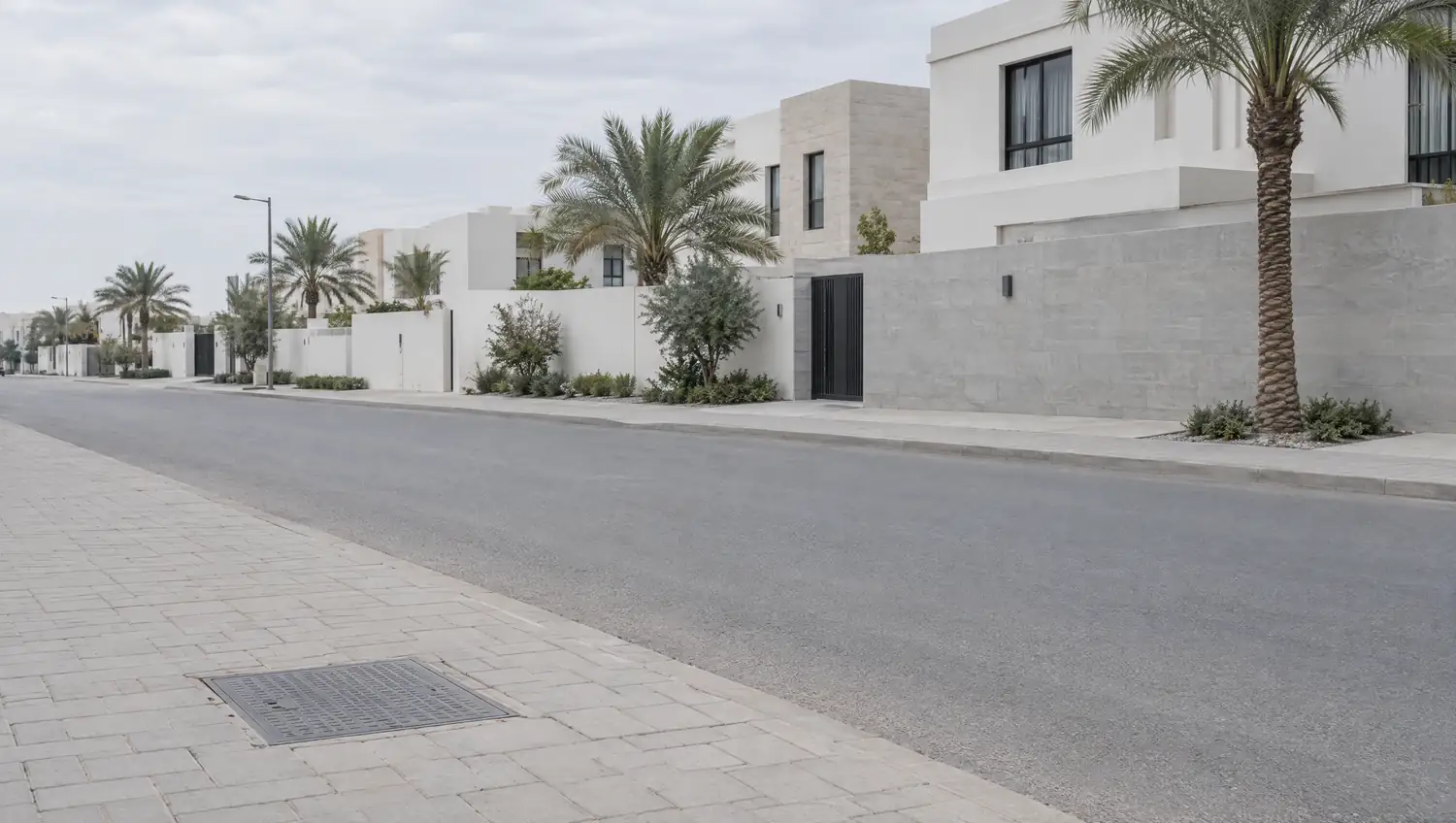
Site and depth planning
Position and depth chosen to suit the transfer pump and surface loads
Jahra
Underground tank construction in Sulaibiya starts with deep excavation into firm sandy soil and requires checking the water table level first. We choose a location away from power and gas lines and build the walls in reinforced concrete thick enough to resist lateral pressure. The tank is sealed externally with a moisture-barrier cement layer, and vent and access ports are fitted before final pressure testing.
Sulaibiya is a scattered residential area with farms and warehouses, and buildings here depend on underground tanks because the mains network is distant and cannot maintain steady pressure. Digging in Sulaibiya hits sandy layers that can collapse sideways, so we prop the pit walls with steel sheets or braced earth walls. The tank itself must resist soil salinity and connect to a rising main for internal pump lift to the roof tank above.
Sulaibiya lies in Jahra governorate, a desert area where sparse agricultural and residential use is the norm.
The underground tank is filled by tanker truck and emptied by submersible pump because natural mains pressure is not available in this area.
Position and depth chosen to suit the transfer pump and surface loads
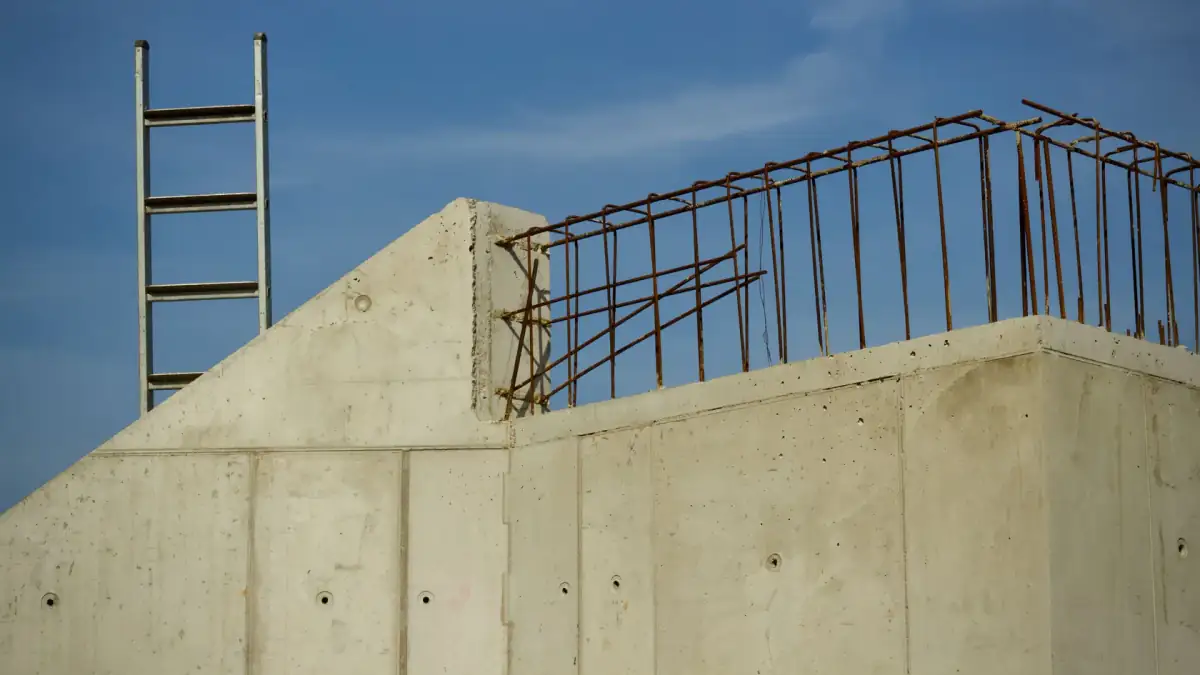
Base and walls built to carry soil pressure and full water load
Internal and external coating layers that block water movement in both directions
Inlet and outlet openings sealed with rubber collars to prevent pipe-joint leaks
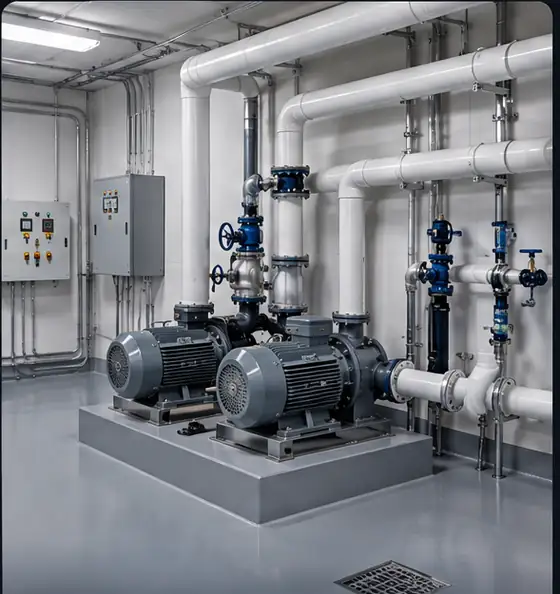
Transfer pump and water-level float wired and adjusted for correct operation
Tank filled and water level watched to confirm zero leakage before backfilling
How we work

Tell us what is happening and where, and the right equipment is loaded before we arrive.
We film the line from inside and know the kind of blockage and its exact place. No guessing.
High pressure water, a machine or a drain snake, whichever the line actually needs.
The camera runs a second pass and you see the line clear with your own eyes before we leave.
Same method, same equipment. Only the size of the job changes.
Why us
Amana means trust. Someone else's home is not ours to be careless in.
Do not take our word for it. Look at the line yourself.
Breaking is the last resort, never the first step.
A blocked line does not wait for the morning.
Six governorates, 139 areas.
For buildings and complexes, servicing before the problem starts.
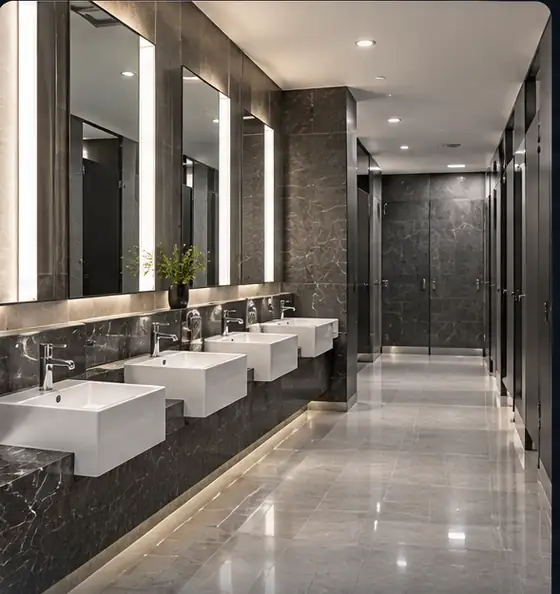
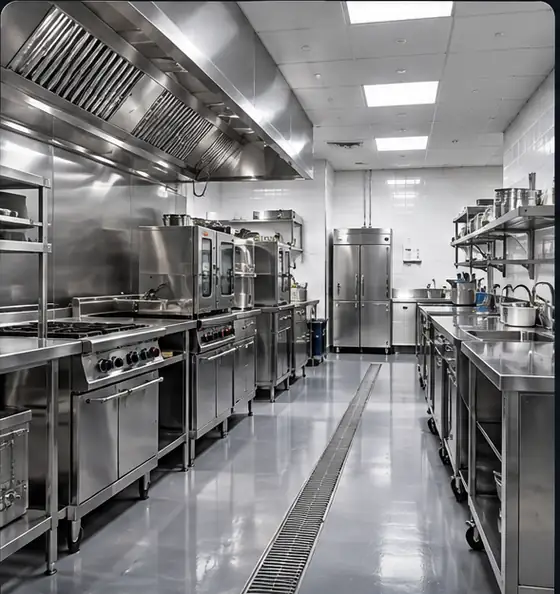
Restaurants, offices and complexes, not only homes.
Common questions
Need someone now? The emergency line is open any hour.
+965 9668 4964
Depth depends on tank size, available space and the water table level at your site. We typically dig to about 1.5 metres or deeper, testing soil conditions on site before pouring concrete.
Yes, the tank must be designed and documented for water load and surrounding soil conditions. We prepare engineering drawings and calculations before construction and deliver them upon completion.