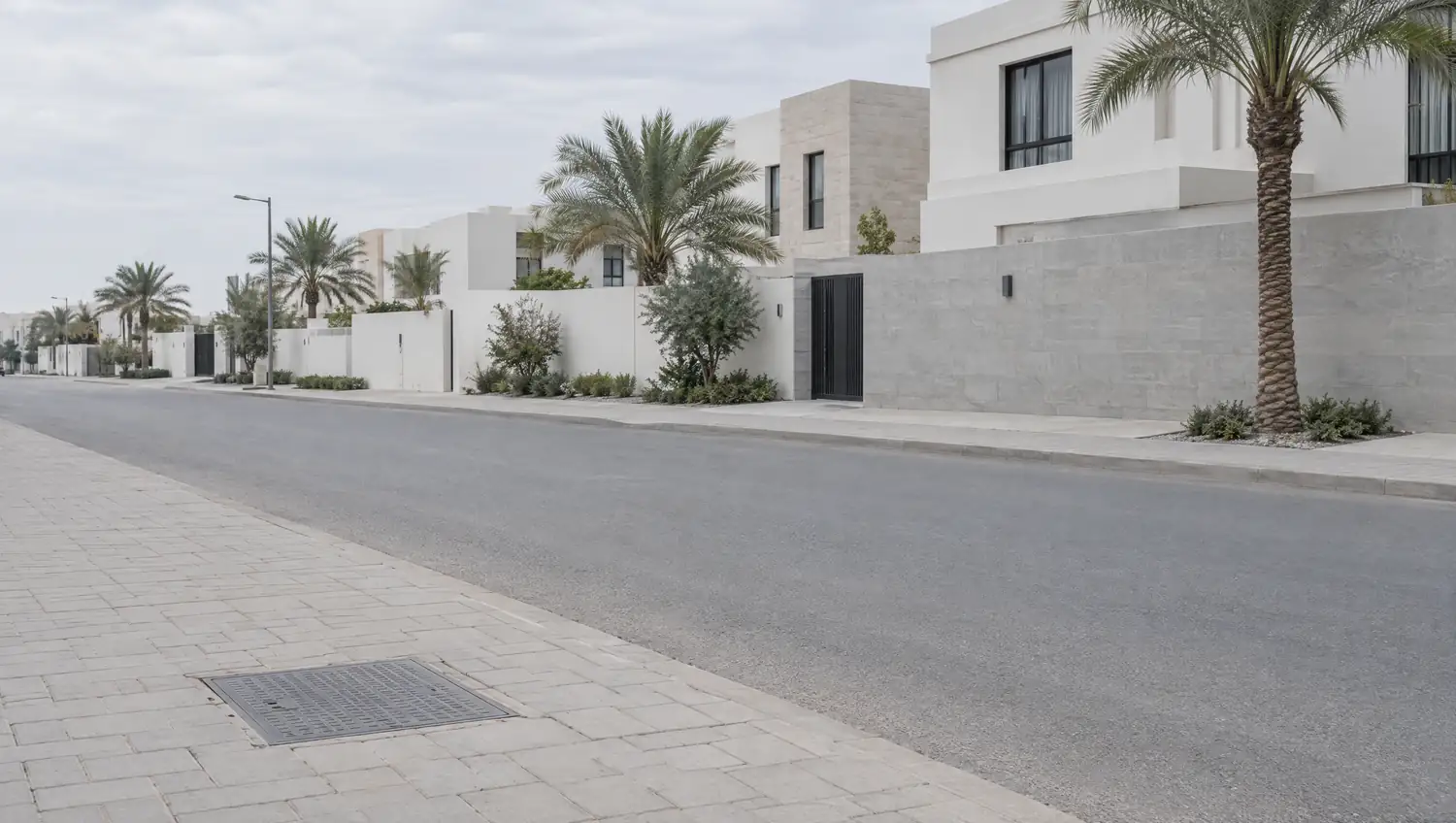
Site and depth planning
Position and depth chosen to suit the transfer pump and surface loads
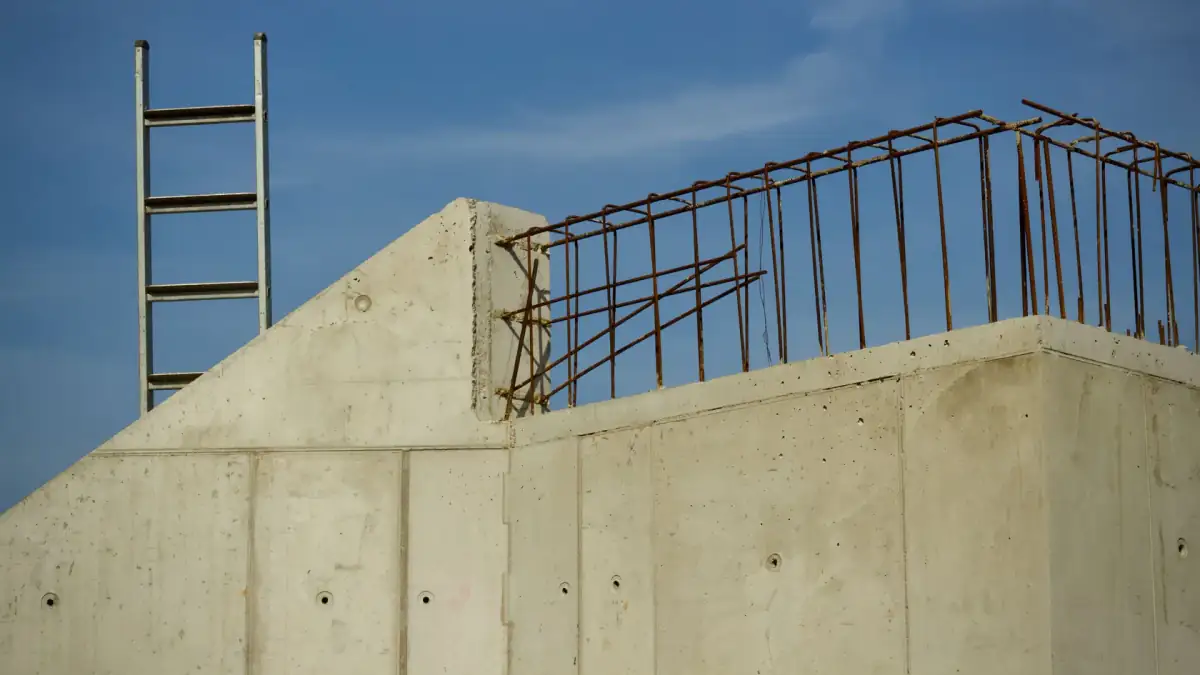
Water tank installation
Concrete block or cast walls, a tested waterproof coat and correct pipe entries, not a tank that weeps from day one due to poor construction
From ground-level planning and excavation through to final connection and testing
Position and depth chosen to suit the transfer pump and surface loads
Base and walls built to carry soil pressure and full water load
Internal and external coating layers that block water movement in both directions
Inlet and outlet openings sealed with rubber collars to prevent pipe-joint leaks
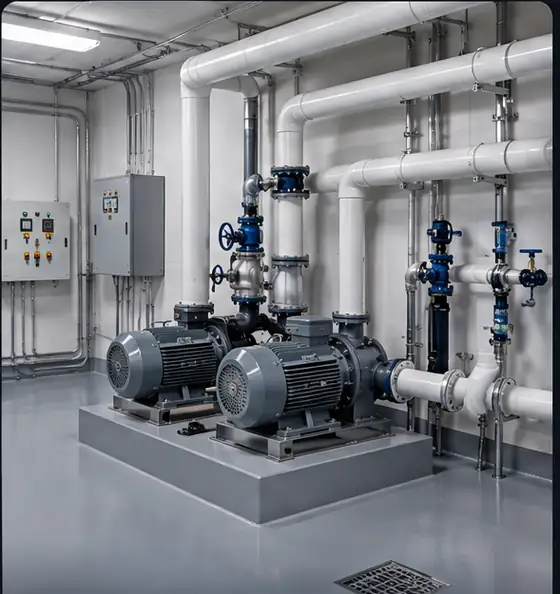
Transfer pump and water-level float wired and adjusted for correct operation
Tank filled and water level watched to confirm zero leakage before backfilling
Describe the site and required capacity to arrange an assessment visit
Soil checked, dimensions set, depth and pipe route confirmed on site
Pit dug, base poured, walls built and pipe penetrations prepared
Waterproof coats applied inside and out, then pipes and pump connected
Tank filled, water level monitored, backfilled and handed over after passing test
Carries sustained soil and water pressure without cracking over time
Penetrates concrete pores and self-seals hairline cracks when water contacts it
Seals each pipe at the tank wall and stops leaks at every penetration point
Unaffected by Kuwait's hard alkaline water and will not corrode inside the tank
Buries leaks underground and the fault only shows after significant water loss
Groundwater seeps inward and contaminates the stored water supply
Every opening without a rubber collar becomes a guaranteed leak path over time
A thin slab cracks under vehicle movement or loads placed above the tank

Part of Water tank installation · All services · Back to the home page
No fixed rate applies; these are the factors that shape the final quote
Larger volume means more materials, wider excavation and higher cost
Hard or wet soil increases excavation time and may need extra shoring
Heavy loads above require thicker reinforcement and greater concrete volume
Distance between tank and building directly affects pipe quantity and trenching
A vehicle-rated lid differs in reinforcement and depth from a pedestrian cover
Same method, same equipment. Only the size of the job changes.

Why us
Amana means trust. Someone else’s home is not ours to be careless in.
Do not take our word for it. Look at the work yourself.
The leak is marked before a single tile comes up.
A leak does not wait for the morning.
Six governorates, 139 areas.
For buildings and complexes, servicing before the problem starts.
Restaurants, offices and complexes, not only homes.
Six governorates, 139 areas.
Common questions
Need someone now? The emergency line is open any hour.
+965 9668 4964
Yes, provided the tank is positioned far enough from the foundation line. The site assessment confirms the safe clearance before any excavation begins.
The cause is almost always a missing external waterproof coat or an unsealed pipe entry. Groundwater finds any unprotected gap and seeps inward.
Yes, and many Kuwaiti buildings use it as the primary collection tank from which water is pumped to upper floors. Capacity and structural design scale to the building size.
Stop the pump and close all inlet valves, then watch the water level for several hours. If the level drops with pumping halted, the tank is leaking, not the pump.
It depends on wall condition. If walls are sound with no structural cracking, the tank can be cleaned and recoated. If the structure itself is cracked, rebuilding is the more practical choice.