A drain smell that appears out of nowhere, with no visible leak and no obvious blockage, is one of the most common calls a plumber gets, and it usually comes down to one of a handful of causes. Each has a different fix, and treating the smell instead of the cause, with air fresheners or bleach poured down the drain, only hides it for a day or two.
A dry trap
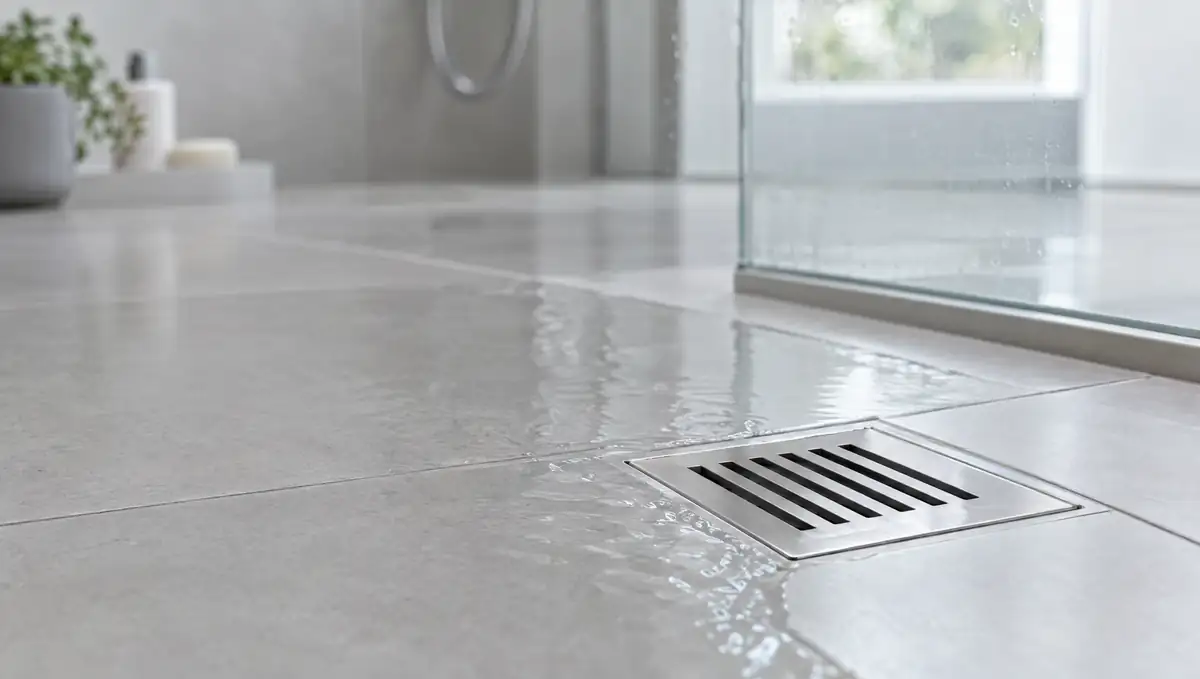
Every fixture, from a floor drain to a rarely used bathroom sink, has a trap, a bend in the pipe that holds a small amount of water and blocks sewer gas from rising back into the room. A trap in a guest bathroom, a balcony floor drain, or a laundry room that is not used often can dry out simply from evaporation, and once it does, the room fills with the smell of the sewer line behind it rather than anything actually wrong with the plumbing.
The fix is the simplest one on this list, running water down the drain for a few seconds restores the seal immediately, and a floor drain that dries out repeatedly benefits from a trap primer or just a standing reminder to run water through it periodically.
A damaged or missing trap
This is different from a dry trap and will not respond to running water. A trap that has cracked, was installed incorrectly, or was removed during past renovation work leaves a direct path for gas to travel back into the room no matter how often the fixture is used. It is usually traced by process of elimination, checking each fixture in the affected area and looking under an accessible trap for cracks, corrosion, or a fitting that was never properly sealed. Where the trap is hidden inside a wall or under a slab, a camera run through the line can usually confirm there is a break in the expected layout without opening the floor first. The only real fix is replacing or resealing the trap itself.
A blocked vent
Every drainage system relies on a vent, usually a pipe that runs up through the roof, to let air in behind the water as it drains and to let sewer gas escape safely above the building instead of inside it. A blocked vent, often from a bird's nest, leaves, or debris at the roof opening, forces gas to find another way out, and it also tends to cause gurgling drains and slow emptying at the same time as the smell, which is a useful way to tell it apart from a simple dry trap. Clearing the vent opening usually resolves both the smell and the drainage behavior together, and it is one of the few causes on this list that has nothing to do with the pipe below ground.
Build up inside the line
Grease, soap residue, hair, and general debris narrow a pipe's usable diameter over years, and the smell from a partially blocked line tends to build gradually rather than appear overnight, often alongside slower drainage that gets written off as normal for an older building. This is common in kitchens even in homes, though it becomes a bigger issue at commercial scale, which is why grease trap maintenance for restaurant kitchens is its own subject. A camera inspection shows exactly where the build up sits and how far it extends, which matters because clearing it properly means removing the material from the pipe wall, not just pushing a blockage further down the line where it settles again.
A cracked pipe
A cracked or offset pipe, whether from ground movement, tree roots, or age, lets sewer gas and sometimes wastewater escape into the soil or the space around the pipe rather than carrying it away cleanly, and the smell can surface some distance from the actual crack depending on how the ground or the building's underfloor space is laid out.
This is harder to diagnose by fixture elimination alone, and a camera passed through the line is usually what confirms it, since it shows the exact location and condition of the crack rather than leaving it to guesswork. The clearing before breaking approach, opening the line only at the confirmed point once the camera has shown where the problem actually is, avoids the far more disruptive alternative of breaking tiles or digging along a whole line to find it.
A backflow issue
Less common but worth ruling out, a backflow problem lets gas or wastewater move in the wrong direction through the system, often after work on a nearby line, a change in municipal pressure, or a faulty check valve. It tends to show up as a smell tied to specific events, after a neighboring property does laundry, or after heavy rain, rather than as a constant presence. It is diagnosed by watching when the smell appears relative to those events and confirmed with a camera or pressure check, and the fix depends on where the faulty valve or connection actually sits.
Working out which of these is causing the problem takes some process of elimination, starting with the easiest and cheapest to rule out, a dry trap, before moving to a camera inspection of the line. If the smell keeps returning after cleaning, or shows up alongside slow drains and gurgling, it is worth having the line looked at properly rather than repeating the same short term fix, and reading about when a cesspit is due for emptying is a useful next step if the smell is coming from a septic system rather than a municipal line. General drain and plumbing services are listed on the services page.