Cesspit cleaning
Full vacuum tanker emptying with internal wall jetting and sludge removal
Emptying, cleaning and protecting the pit from the base to the cover
Full vacuum tanker emptying with internal wall jetting and sludge removal
Clearing basement sump pits to stop internal flooding and moisture buildup
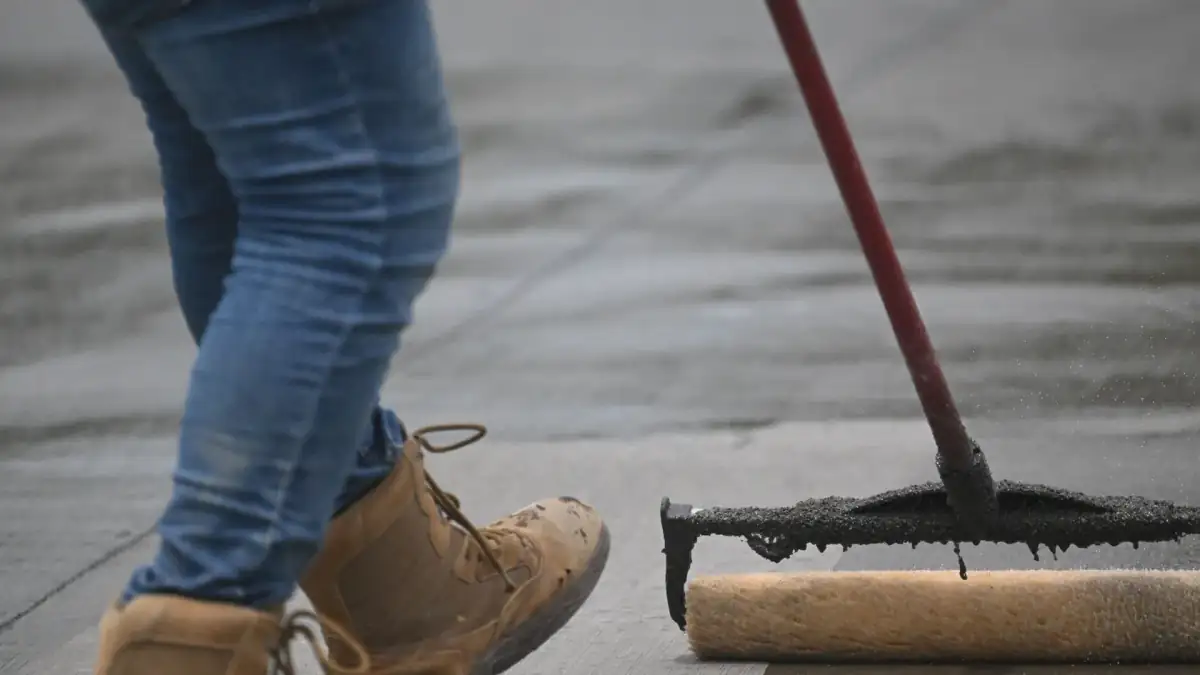
Internal waterproofing layer applied after cleaning to stop wall seepage
Customer sees the same screen before and after so the result is visible
Measuring sludge depth to recommend the right emptying frequency
Available at any hour when overflow or strong odour is already present
Describe the property type, pit location and the problem sign
Camera measures sludge level and reads wall condition before suction starts
Pressure jetting loosens deposits then the tanker empties to the base
Camera re-enters and customer sees the clear pit on screen
Cover is closed and owner is advised on the right emptying frequency
From the inspection camera
Drag the divider and see the difference.
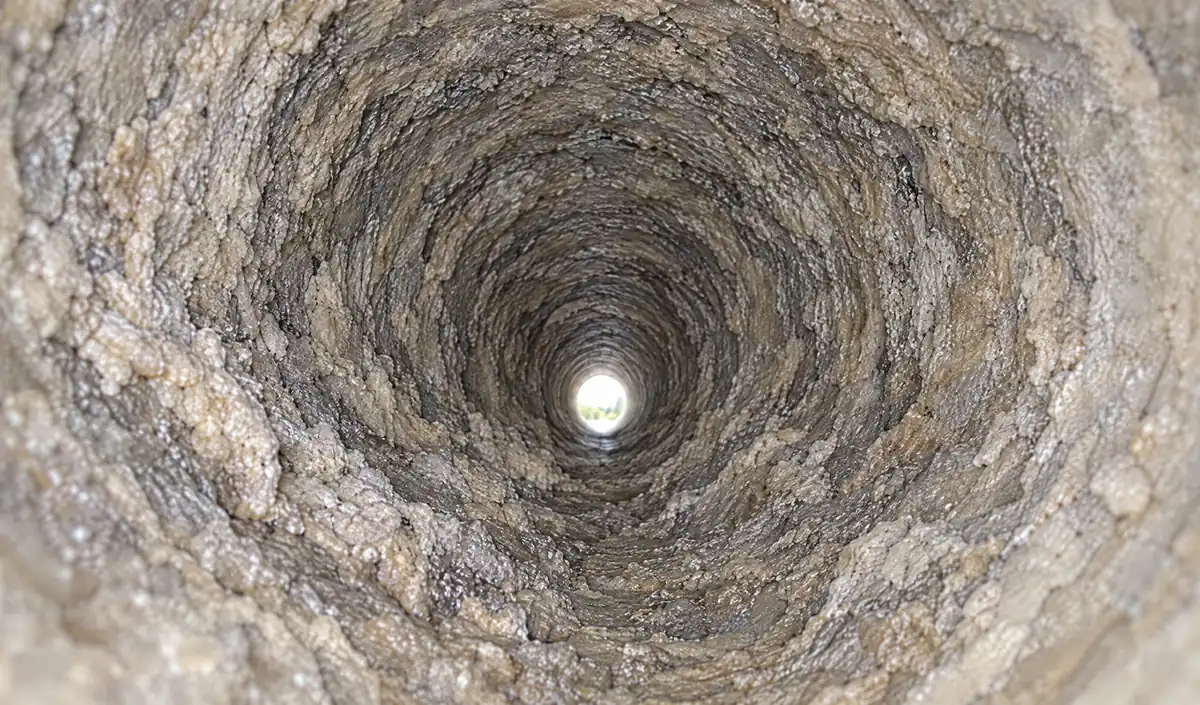
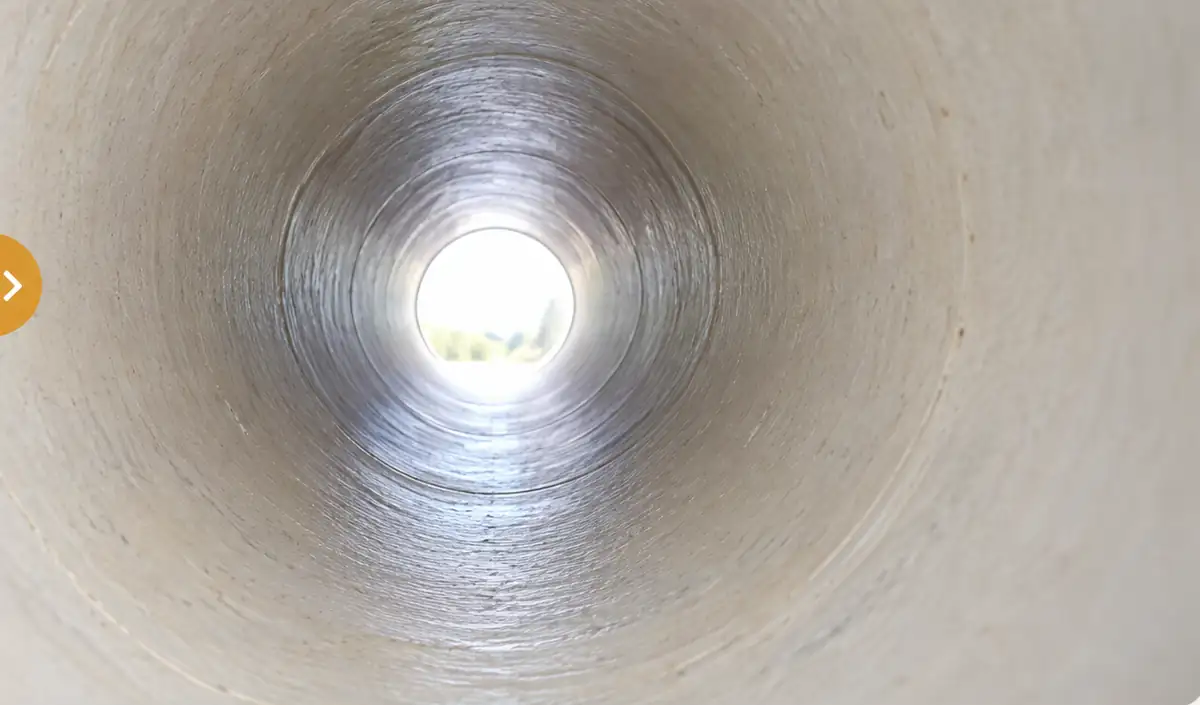
Every job starts with a recording and ends with one. The footage is kept and sent to you.
A sewage smell rising from the driveway or yard signals the pit is near capacity
When every fixture drains slowly at once the pit is full, not a single blocked line
Moisture or effluent surfacing around the pit cover means it has already overflowed underground
Sewer gas enters the basement when the pit is full and internal pressure builds up
Pulls dense sludge and breaks up settled solids in a single visit without repeat trips
Reaches the full depth and far corners that short standard hoses cannot access
Breaks down wall deposits before suction so cleaning is complete, not partial
Films wall and base condition to find cracks or seepage before waterproofing is decided
A large share of Kuwait properties drain to a private cesspit rather than a public sewer, which means regular emptying is not optional. The common mistake is waiting until the pit visibly overflows. By that point effluent has often spread underground toward the basement or the surrounding soil. The right approach starts with a camera check that measures sludge level and reads wall condition before suction begins, so a hidden crack or seepage point is found rather than missed.
Suction alone is not always sufficient. A hard crust of dried sludge builds on pit walls and the base over time, and that layer does not come loose without pressure jetting before the tanker pulls. After full emptying the camera goes back in to confirm the walls and floor are clear, and the customer sees the same screen. If a wall crack or base seepage shows up, internal waterproofing is discussed on the same visit rather than booking a separate trip.
Basement sump pits carry a different risk because any rise in surrounding water or a blocked outlet means flooding directly inside the building. Regular suction combined with wall inspection is the primary protection. The right emptying frequency varies by property since occupancy and usage patterns drive how fast a pit fills. The camera reading after each job gives a factual basis for that decision rather than a rough guess based on a calendar.
Part of Drain and sewage unclogging · All services · Back to the home page
No fixed rate applies; these factors together determine the actual quote
Larger or deeper pits need more tanker capacity and longer suction time
Hardened sludge requires pressure jetting before suction and increases the cost
A pit cover under paving or in a tight space adds to setup time
Internal waterproofing after suction is priced as an additional scope item
Night and holiday emergency calls are priced differently from scheduled visits
Same method, same equipment. Only the size of the job changes.
Why us
Amana means trust. Someone else’s home is not ours to be careless in.
Do not take our word for it. Look at the line yourself.
Breaking is the last resort, never the first step.
A blocked line does not wait for the morning.
Six governorates, 139 areas.
For buildings and complexes, servicing before the problem starts.
Restaurants, offices and complexes, not only homes.
Six governorates, 139 areas.
Common questions
Need someone now? The emergency line is open any hour.
+965 9668 4964
Yes, suction is done through the existing pit cover. Nothing is opened or broken unless the camera reveals a cracked pipe that requires physical repair. The cover is the only access point needed for a standard emptying job.
There is no single answer because the right frequency depends on occupancy, pit size and the type of use. The camera reading taken after each emptying gives a factual basis for setting the next schedule rather than relying on a general estimate.
Partial suction reduces tanker trips but leaves a hardened sludge layer at the base that builds up over time and shrinks the pit's usable capacity. Full emptying combined with pressure jetting restores the pit to its actual volume.
High summer temperatures increase water consumption inside the property and accelerate evaporation of the liquid fraction in the pit. This concentrates the sludge faster, reducing available capacity more quickly than in cooler months.
A cesspit is typically a pit that allows some liquid to seep into the surrounding soil, while a sealed sewage tank retains everything until it is emptied. Suction method is similar but wall inspection and the decision on waterproofing differ between the two.
The service reaches all 6 governorates and all 139 areas across Kuwait at any hour, with no excluded zones.