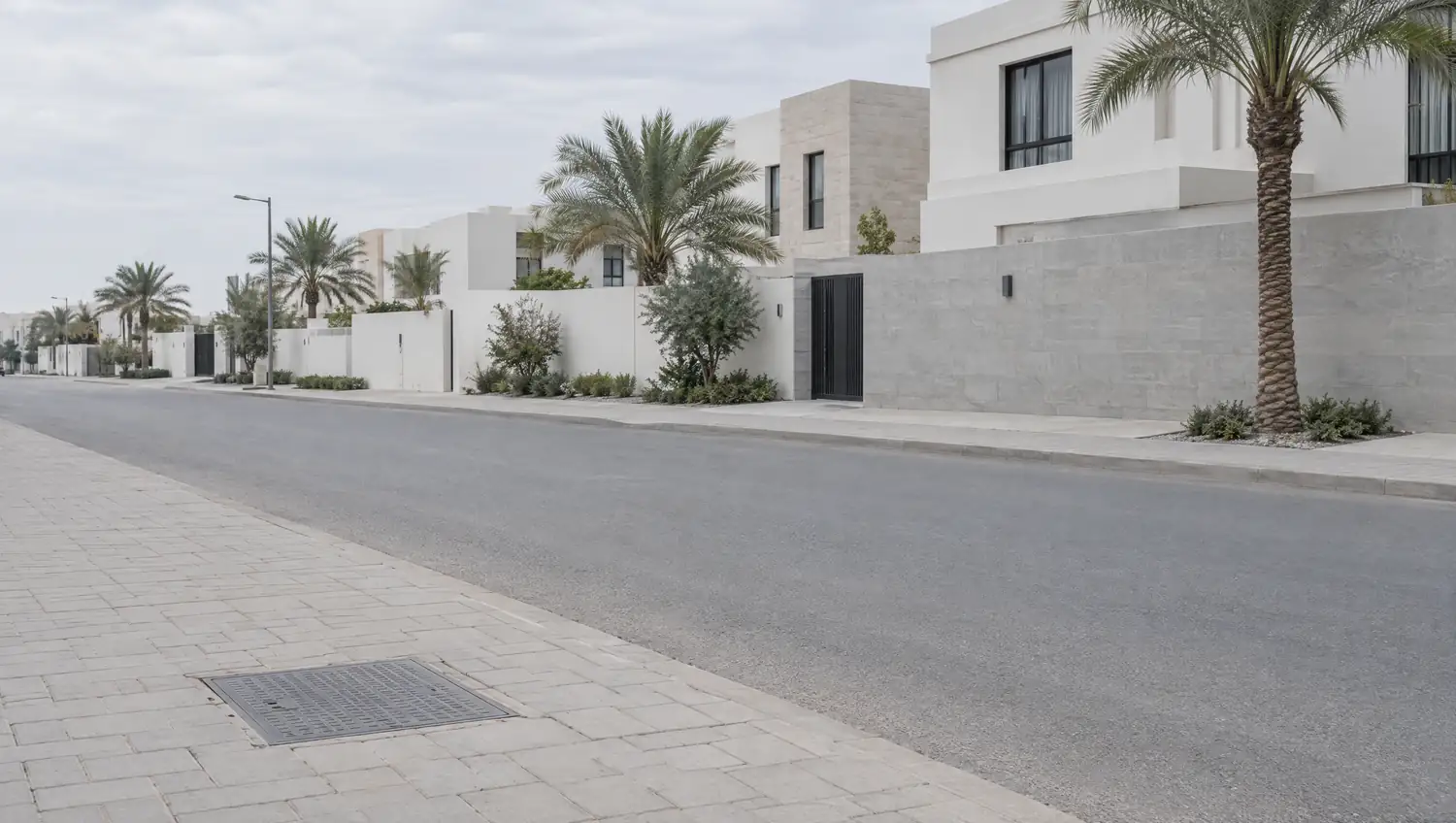
Sludge extraction
Complete removal of all settled sludge and congealed grease from the pit base
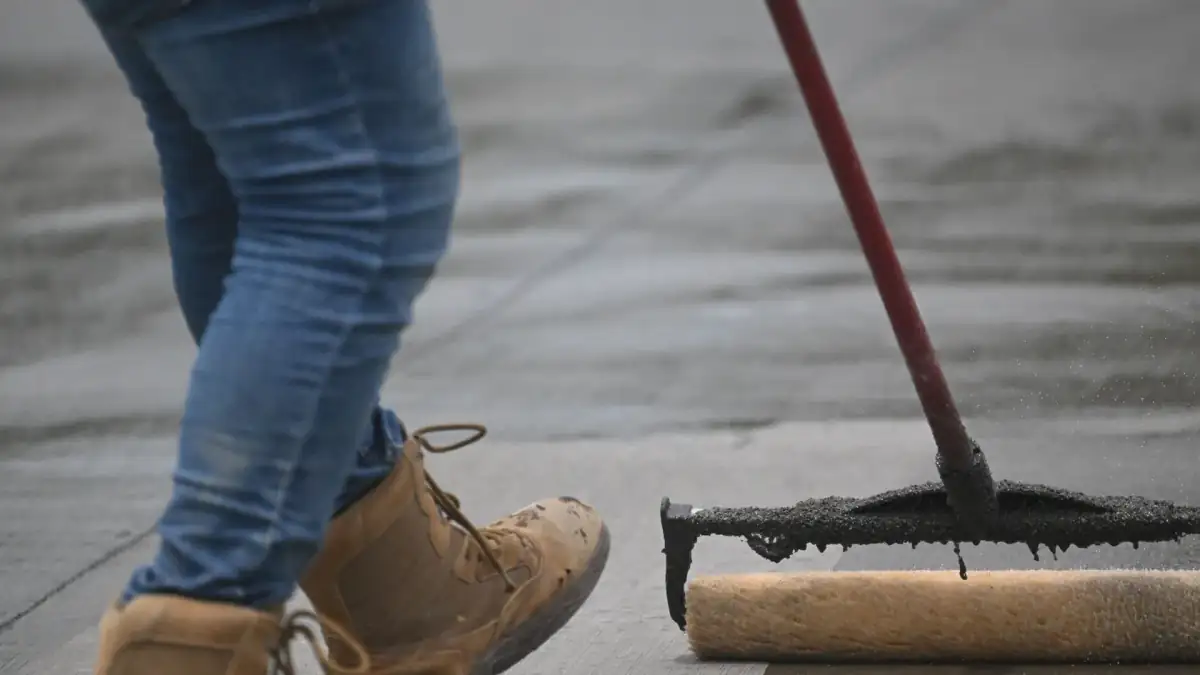
Cesspit suction
Accumulated sludge removed, hardened crust broken with high-pressure water and pit walls camera-checked until the cesspit is fully clean
Full cleaning from content removal through to confirmed clean walls and base
Complete removal of all settled sludge and congealed grease from the pit base
High-pressure hose breaks hardened crust off walls and base before final suction
Internal camera confirms clean walls and base after work is finished
Rate of filling assessed to help set a suitable emptying schedule
Entry rings and pit cover cleared of deposits before the lid is replaced
Teams available at any hour when a pit is overflowing or near capacity
Tell us the pit size, last emptying date and current drainage condition
Team checks the pit cover and tanker access conditions before starting
Sludge is extracted first, then crust is broken with pressure jetting and suctioned again
Internal camera inspects walls, base and inlets to confirm the pit is fully clean
Cover is replaced and a recommended schedule for the next emptying is provided
From the inspection camera
Drag the divider and see the difference.
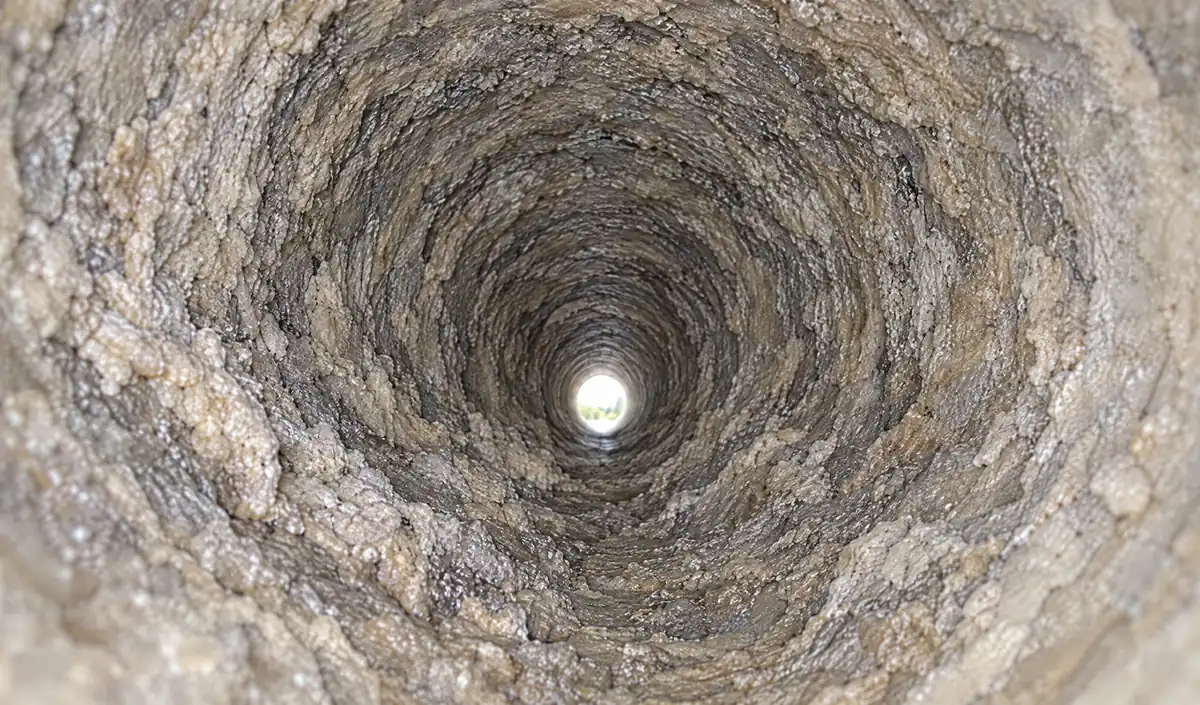
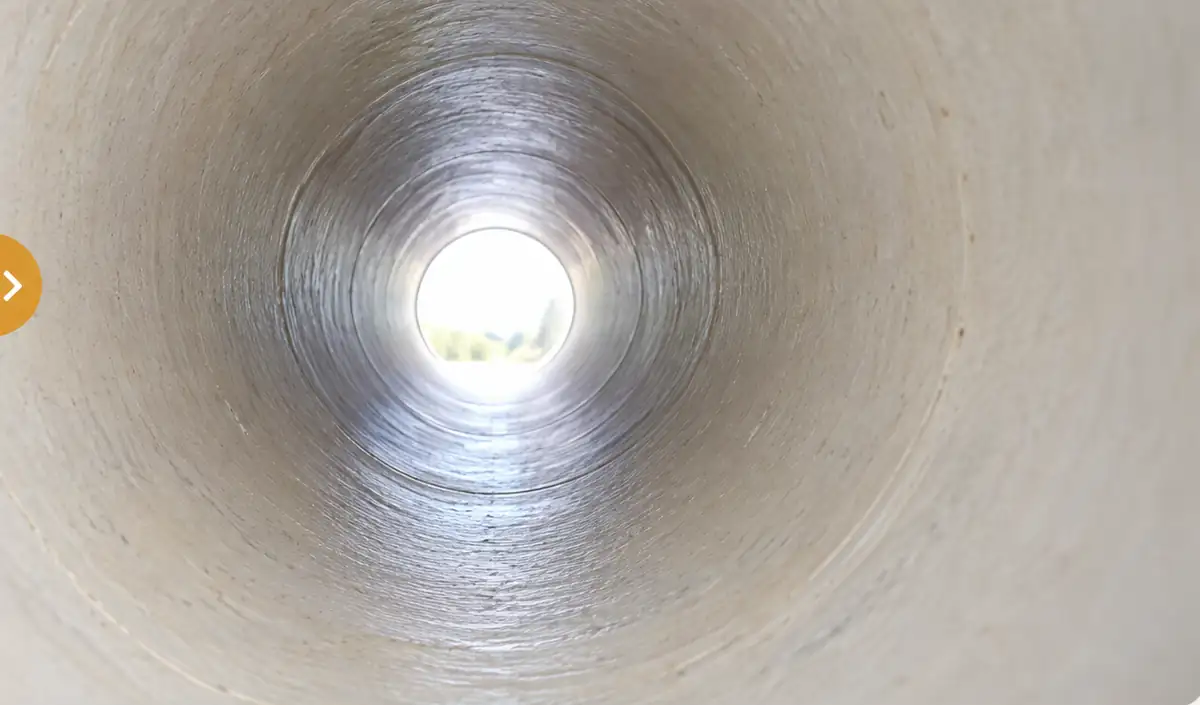
Every job starts with a recording and ends with one. The footage is kept and sent to you.
When sludge fills the pit, drainage slows across all fixtures together, not in a single spot
Gas building above compacted sludge pushes a sharp smell out through the pit cover into the courtyard
Damp patches or unusual green growth around the cover signal a pit that is near-full or seeping
If emptying is needed more often than before, hardened sludge is reducing the pit's usable volume
Reaches the pit floor at any depth to pull heavy sludge without any excavation
Breaks congealed grease layers and mineral scale off walls before the final suction pass
Filming walls and base after cleaning confirms no residue remains and reveals any cracks
Tanker capacity determines whether a large pit can be fully cleared in a single visit
Part of Cesspit suction · All services · Back to the home page
No fixed price list applies; the quote depends on these factors specific to each job
A larger or deeper pit requires more time and additional suction passes
Dried compacted sludge or heavy grease buildup needs pressure jetting before suction begins
Restricted tanker access or a narrow pit cover affects how quickly work can proceed
Night calls and emergency requests are priced differently from scheduled daytime visits
Adding a detailed wall and inlet inspection affects the total visit price
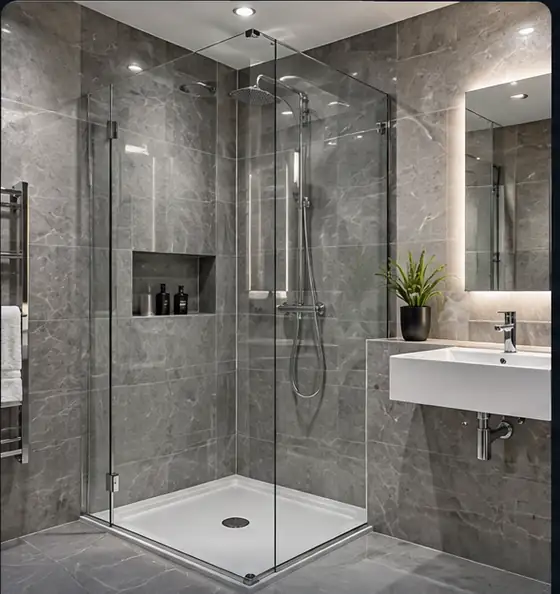
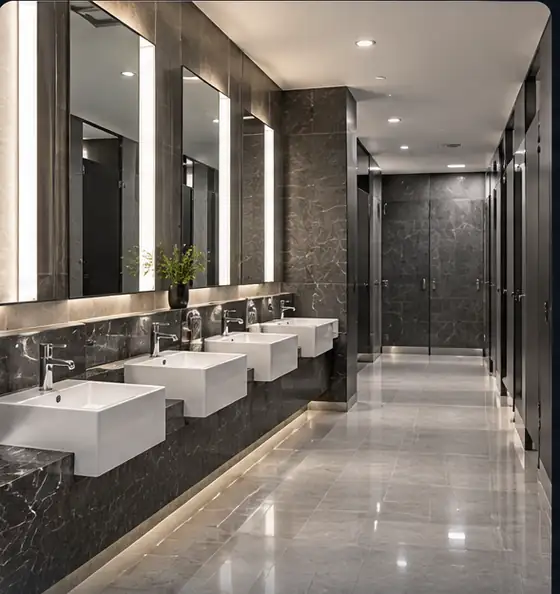
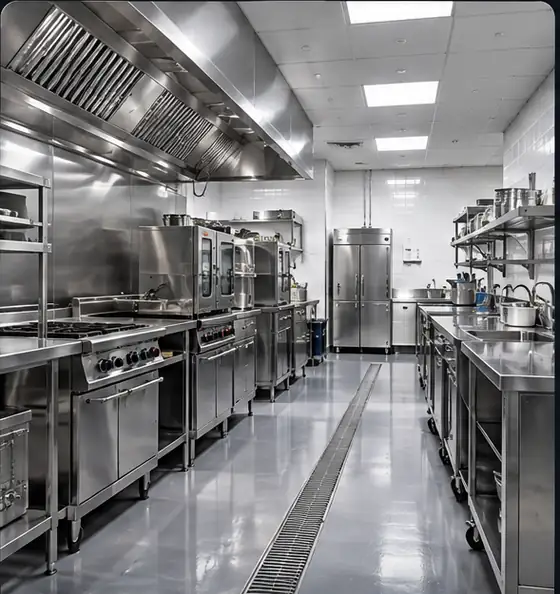
Same method, same equipment. Only the size of the job changes.
Why us
Amana means trust. Someone else’s home is not ours to be careless in.
Do not take our word for it. Look at the line yourself.
Breaking is the last resort, never the first step.
A blocked line does not wait for the morning.
Six governorates, 139 areas.
For buildings and complexes, servicing before the problem starts.
Restaurants, offices and complexes, not only homes.
Six governorates, 139 areas.
Common questions
Need someone now? The emergency line is open any hour.
+965 9668 4964
Suction empties the liquid content but leaves hardened grease and mineral scale built up on the walls. Pressure jetting breaks these layers and restores the pit's actual storage volume. The camera then confirms nothing remains.
Emptying releases methane and hydrogen sulphide gases from the base. The team manages this by opening the cover gradually and allowing ventilation. The smell clears once cleaning is complete and the cover is properly sealed.
The schedule depends on pit size, number of users and building type. Restaurants need more frequent cleaning due to heavy grease loads. We assess the condition after each visit and recommend the right interval.
Yes, flexible hoses pass through relatively small openings and reach the base and sides. If access is very restricted we assess the situation before quoting, as it affects the time needed for the job.
The camera reveals cracks in the walls or base caused by ground settlement or concrete deterioration, and shows the condition of drain inlets. This information determines whether waterproofing or structural repair is needed.