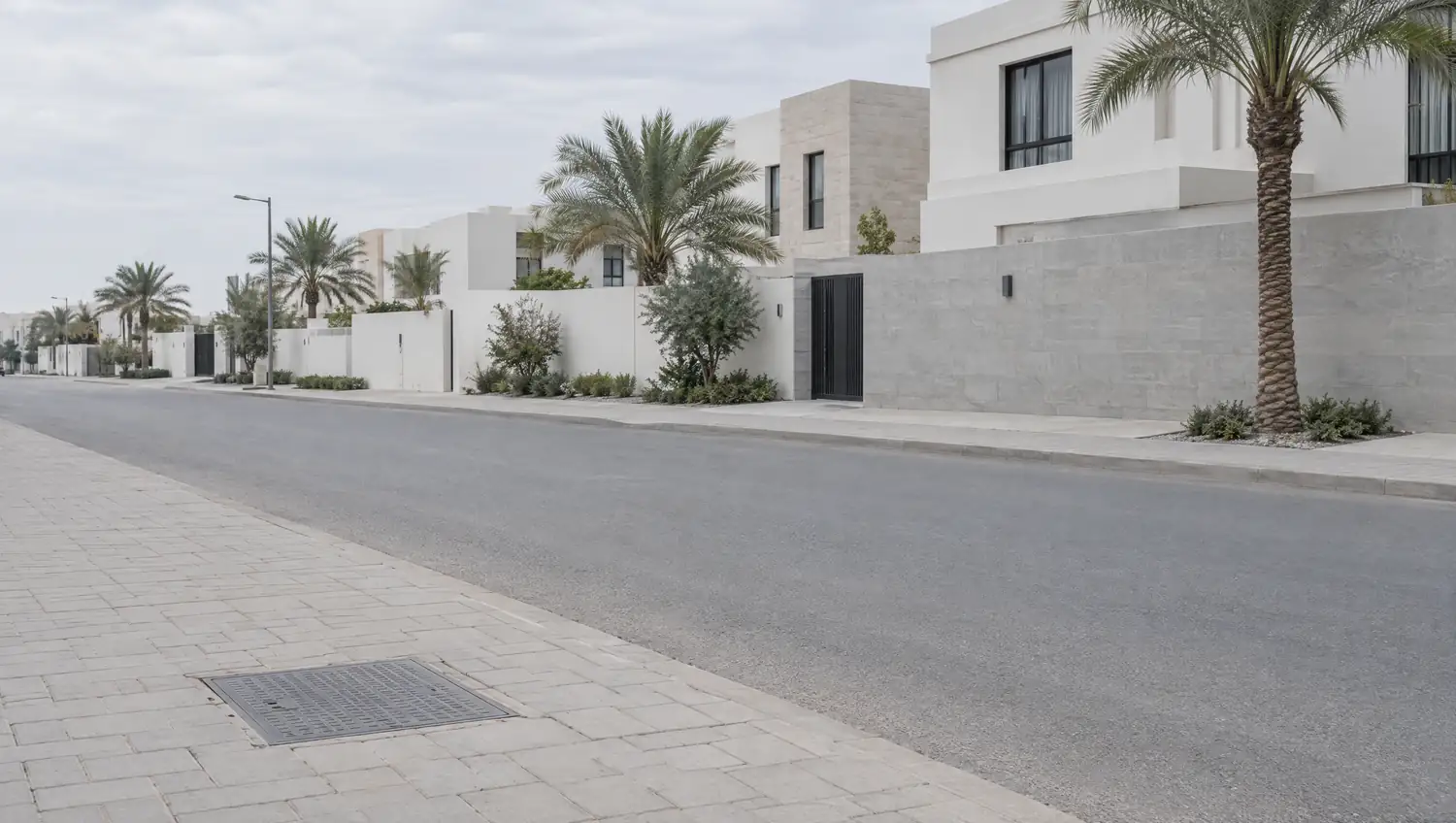
Walls and base coating
Full internal surface treated including the pit base
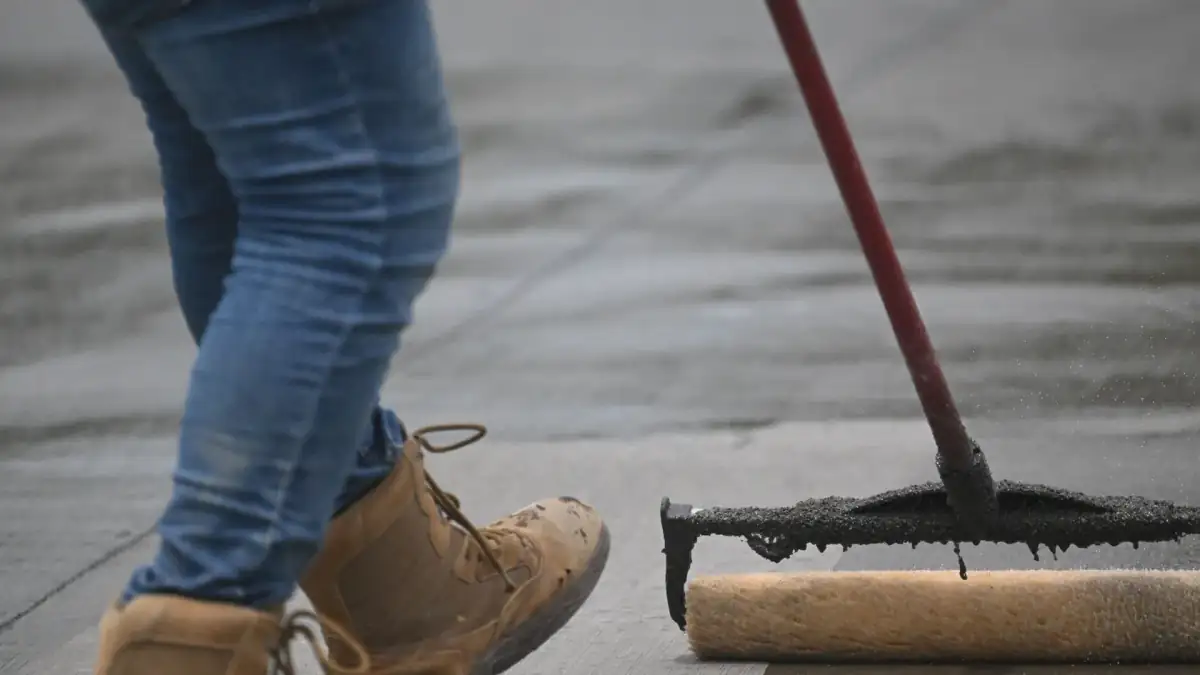
Pit walls, base and collar treated and camera-verified before the cover goes back on
Full internal surface treated including the pit base
Cracks and voids filled before any coating is applied
Pit emptied and pressure-washed before waterproofing starts
Internal camera documents wall condition before work and after
Collar and pipe-entry points sealed against infiltration separately
Available around the clock across all 6 Kuwait governorates
Describe pit size and any leak signs you have noticed
Internal camera maps wall condition and pinpoints damaged areas
All cracks and voids filled before any waterproof layer is applied
Coating applied to walls, base and access collar in full
Final camera check confirms full coverage before the cover is replaced
From the inspection camera
Drag the divider and see the difference.
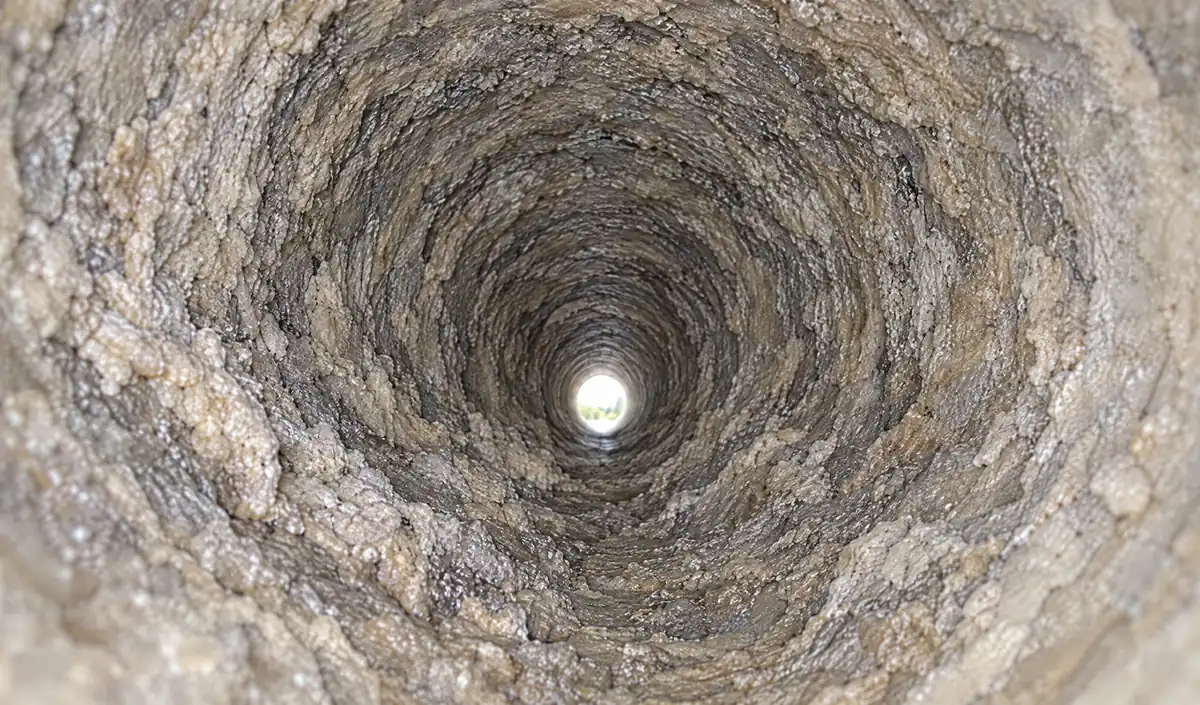
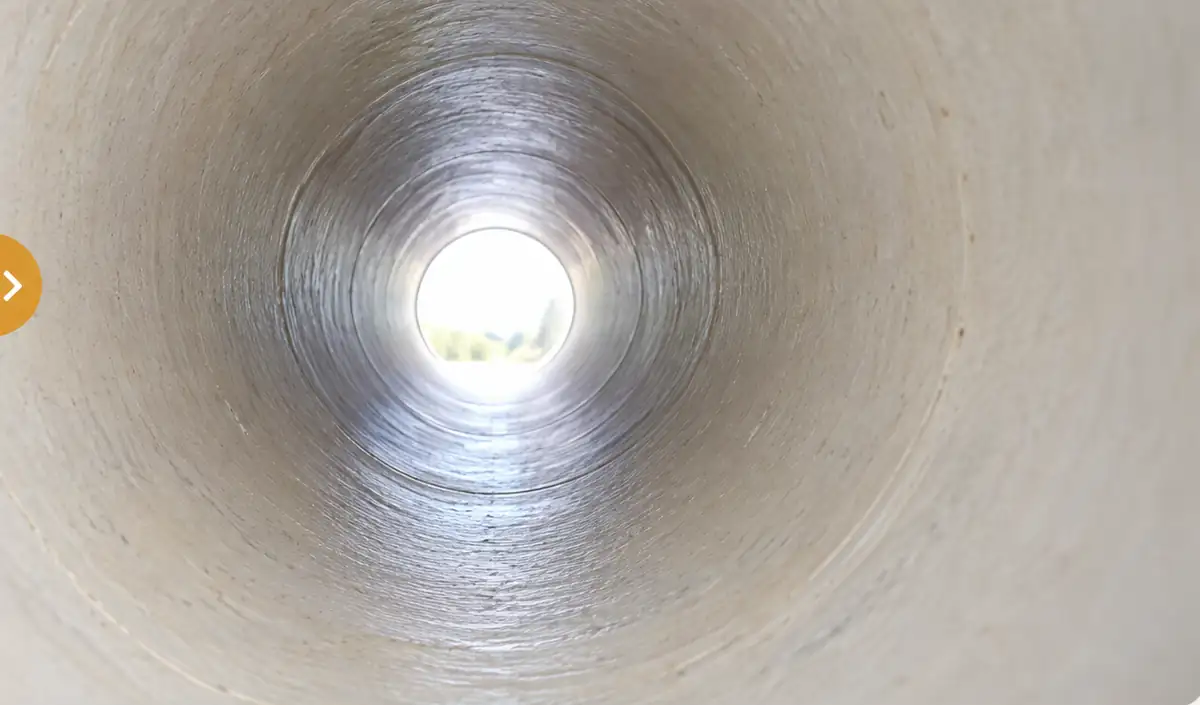
Every job starts with a recording and ends with one. The footage is kept and sent to you.
Bonds to damp concrete and resists hydrostatic pressure from both sides
Hard impermeable layer resistant to acids and hydrogen sulphide in sewage
Injected into active cracks where it expands and fills completely
Applied at pipe-entry points where localised leaks are most common
The pit must be fully empty before work starts; confirm if it was recently emptied
Note whether leaking from a specific wall or the base to speed diagnosis
Reinforced concrete, block or precast rings each require a different prep method
Measure the opening diameter and clear any obstructions before the visit
Part of Cesspit suction · All services · Back to the home page
No fixed rate applies because several pit-specific factors shape the final quote
Total internal surface area directly sets material quantities and time
Wide cracks or spalled concrete need longer repair before coating begins
Block-built walls need different surface preparation than poured concrete
Emptying the pit on the same visit is priced as an additional item
A narrow opening or difficult location affects working time and cost
Same method, same equipment. Only the size of the job changes.
Why us
Amana means trust. Someone else’s home is not ours to be careless in.
Do not take our word for it. Look at the line yourself.
Breaking is the last resort, never the first step.
A blocked line does not wait for the morning.
Six governorates, 139 areas.
For buildings and complexes, servicing before the problem starts.
Restaurants, offices and complexes, not only homes.
Six governorates, 139 areas.
Common questions
Need someone now? The emergency line is open any hour.
+965 9668 4964
If the pit drains away into the ground faster than normal, or damp appears on a nearby basement wall, the structure is no longer sealed. Waterproofing addresses the cause rather than just managing the symptom.
No. Waterproofing materials need a clean, near-dry surface to bond properly. The pit must be emptied and pressure-washed before any coating is started.
Yes. Cementitious coatings applied to the inner surface resist hydrostatic pressure in both directions, keeping sewage in and groundwater out, which prevents the pit filling faster than expected.
Yes. The camera inspection before work starts shows cracks and voids not visible from above, so the repair scope is known before any material is applied.
Yes. Block-built walls need the joints filled and a render coat before waterproofing. Poured concrete is more uniform but may need polyurethane crack injection at active fractures before the main coating.