Draining and deep clean
Sediment, algae and corrosion residue removed before any prep begins
Jahra
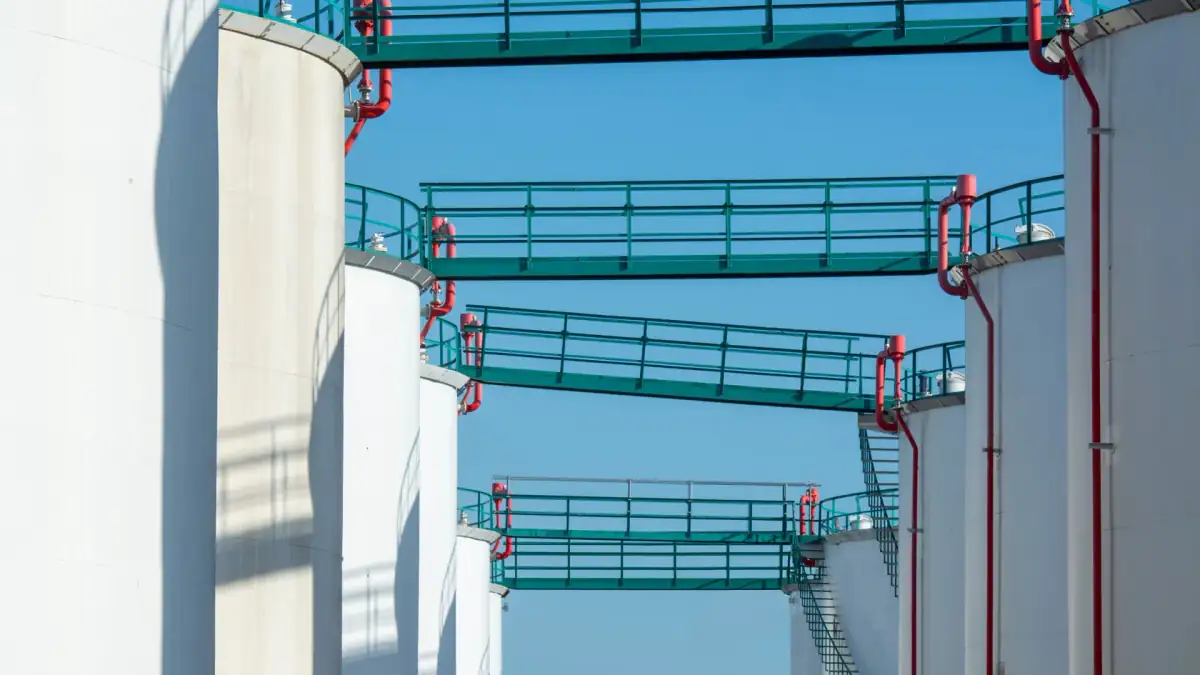
Epoxy tank lining in South Jahra starts with draining the underground tank fully and scraping its walls of sediment and rust stains. We prepare the surface with sand and water, then apply a sealed epoxy coat that protects against both fresh and brackish water penetration.
Many houses in South Jahra sit on deep sandy foundations, and their underground tanks are exposed to ground moisture that seeps through old concrete walls. An epoxy coat creates a complete barrier that stops that seepage and extends tank life significantly. Before coating, we inspect fine cracks and fill any gap with a special filler so the surface is completely smooth.
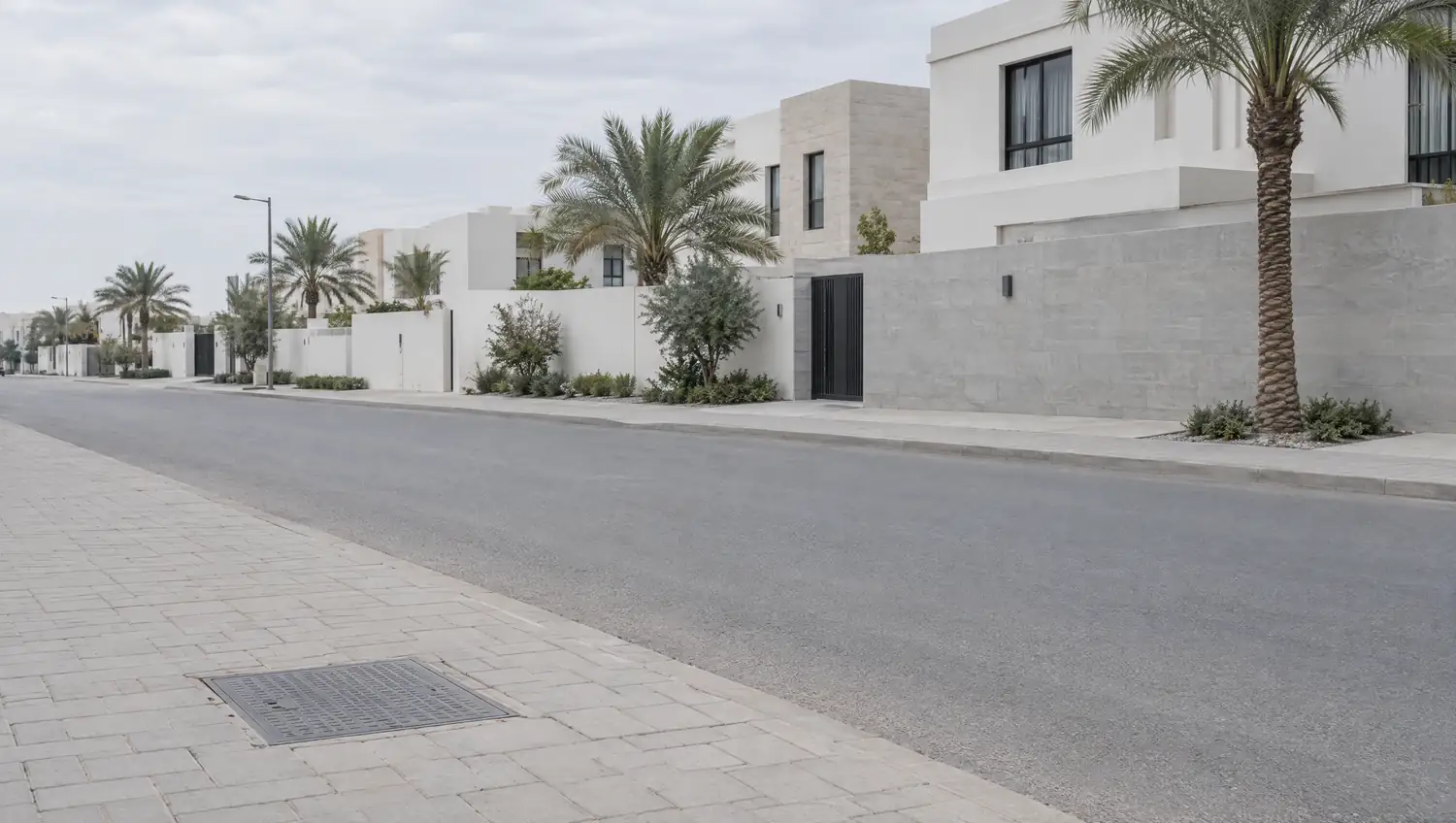
South Jahra is a residential suburb within Jahra governorate, where most families rely on underground tanks to store their water.
The lining is tested by pumping water under low pressure for two full hours before tank handover.
Sediment, algae and corrosion residue removed before any prep begins
Walls and floor abraded so the epoxy bonds without lifting or bubbling
Two-coat system builds uniform thickness across all internal surfaces
Fine cracks sealed with filler compound before coating, not over them
Internal camera confirms full coverage and detects any early delamination
Tank refilled only after the epoxy has fully cured, confirmed on site
How we work

Tell us what is happening and where, and the right equipment is loaded before we arrive.
We film the line from inside and know the kind of blockage and its exact place. No guessing.
High pressure water, a machine or a drain snake, whichever the line actually needs.

The camera runs a second pass and you see the line clear with your own eyes before we leave.
Same method, same equipment. Only the size of the job changes.
Why us
Amana means trust. Someone else's home is not ours to be careless in.
Do not take our word for it. Look at the line yourself.
Breaking is the last resort, never the first step.
A blocked line does not wait for the morning.
Six governorates, 139 areas.
For buildings and complexes, servicing before the problem starts.
Restaurants, offices and complexes, not only homes.
Common questions
Need someone now? The emergency line is open any hour.
+965 9668 4964
No, the tank must stay empty for at least seven days for the epoxy to harden fully. We visit after four days to check drying progress and confirm no cracks have formed.
We locate the leak source first, either from wall cracks or from a pipe joint below the tank. If it is in the walls, epoxy seals it, but if it is from an old pipe joint, the pipe must be repaired or replaced before coating.