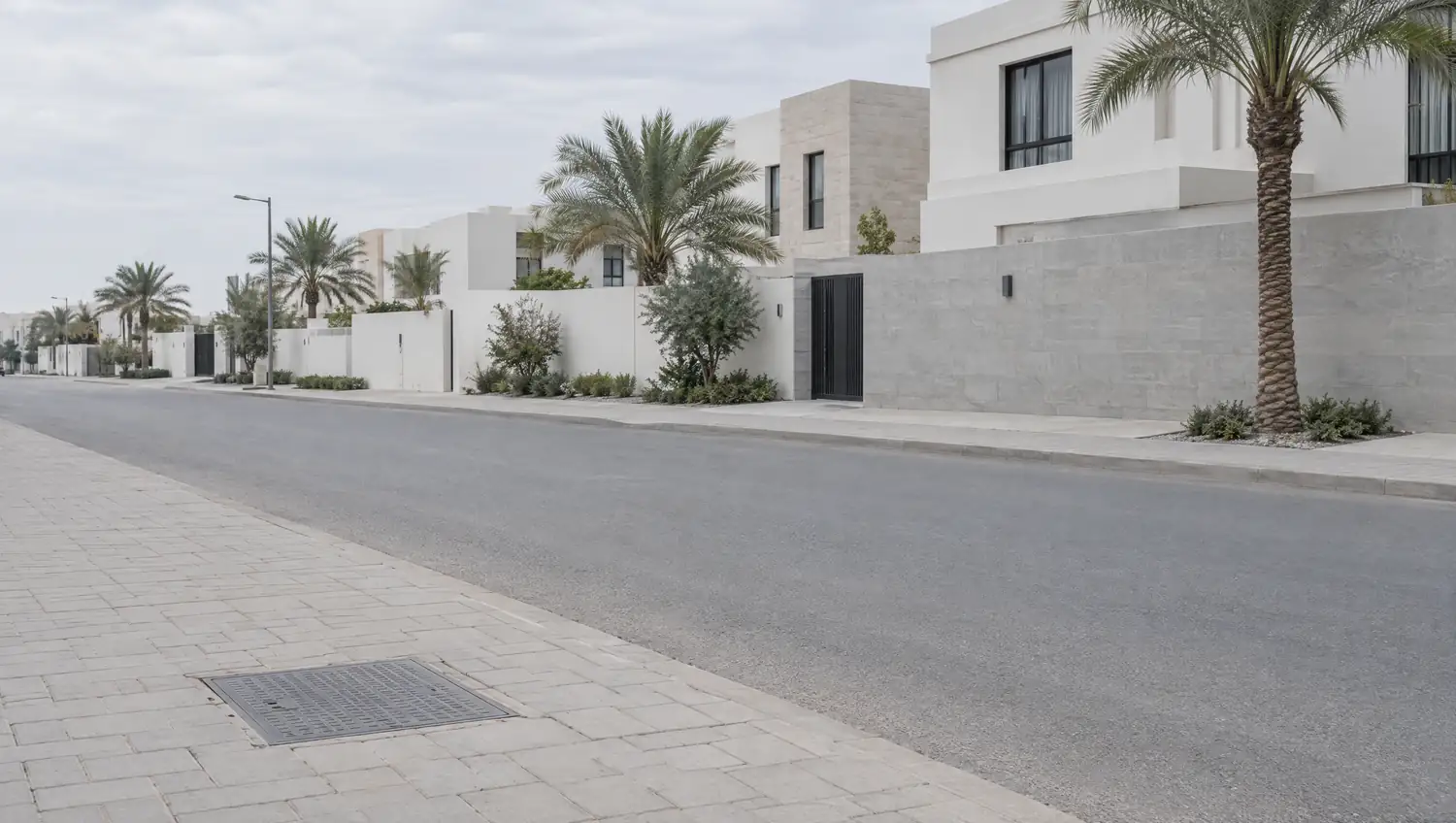
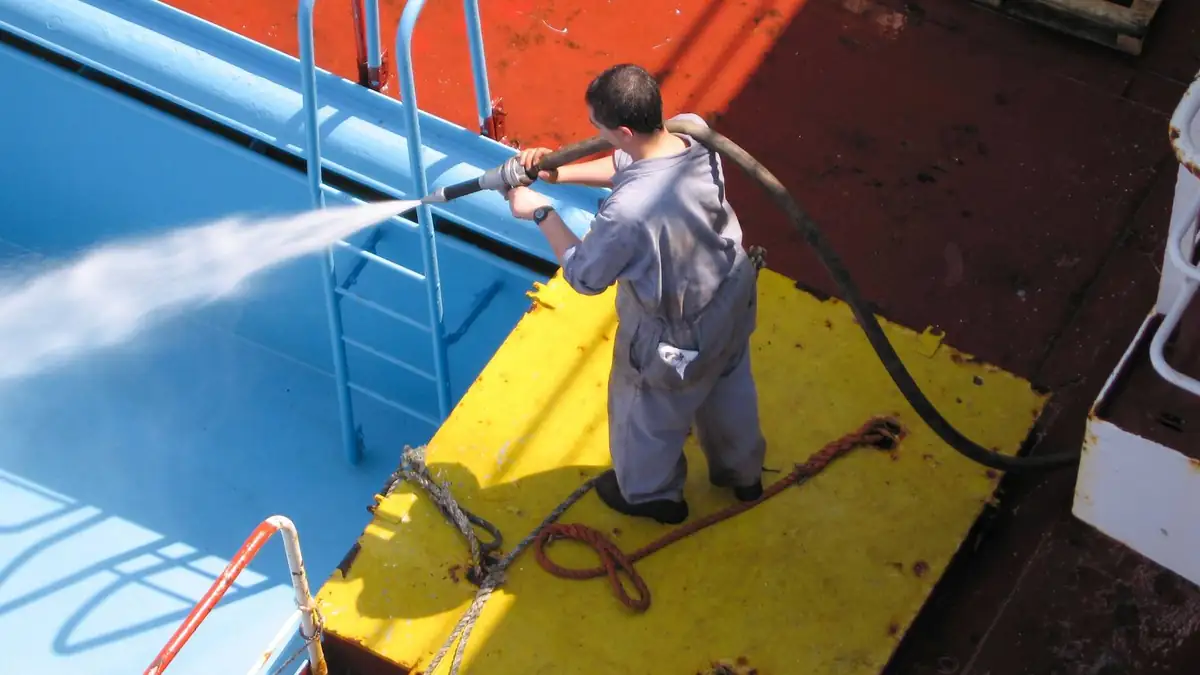
Draining and deep clean
Sediment, algae and corrosion residue removed before any prep begins
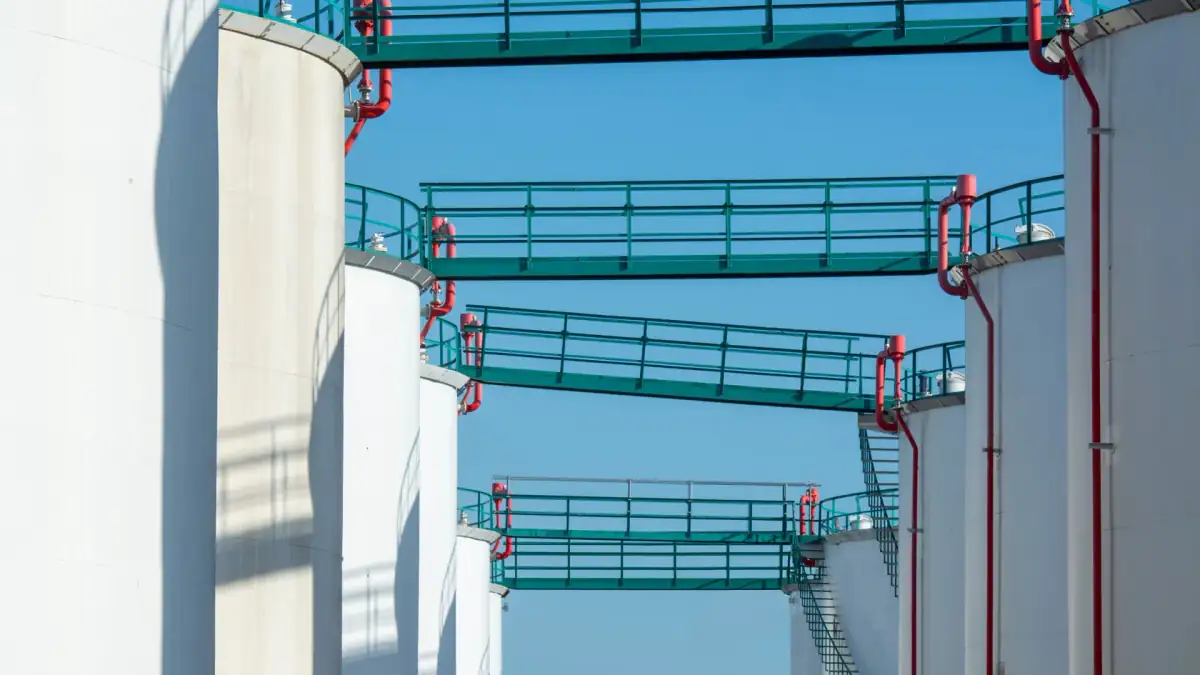
Tank cleaning and waterproofing
Drinking-water rated epoxy applied to a prepared dry surface, then verified by camera so no bare patch or pinhole reaches the water
From draining and surface preparation through to the final coat and camera check
Sediment, algae and corrosion residue removed before any prep begins
Walls and floor abraded so the epoxy bonds without lifting or bubbling
Two-coat system builds uniform thickness across all internal surfaces
Fine cracks sealed with filler compound before coating, not over them
Internal camera confirms full coverage and detects any early delamination
Tank refilled only after the epoxy has fully cured, confirmed on site
Describe the tank type and condition to receive an inspection appointment
Team examines walls and floor, then specifies preparation and materials needed
Tank drained, cleaned, surface abraded and any cracks filled
Primer coat then finish coat, with the required cure time between each layer
Internal camera confirms full coverage before the tank is cleared for refilling
Two-part formulation mixed on site, rated for drinking-water contact and resistant to the mineral scale common in Kuwait's water supply
Surface opened mechanically to achieve adhesion strength; without it the coating lifts under water pressure after filling
Expands inside the crack and sets in the presence of moisture, stopping an active seep before the epoxy is applied
Every surface filmed after cure to find bubbles, thin patches or raised edges before the job is handed over
Residual moisture prevents bonding and causes blisters that rupture once the tank is filled with water
Epoxy on smooth concrete or old tiles peels within months, contaminating the water with coating fragments
A single coat does not reach the thickness needed for lasting protection, especially under Kuwait's summer thermal cycling
Partially cured epoxy leaches chemicals into the water and loses its sealing strength at the same time
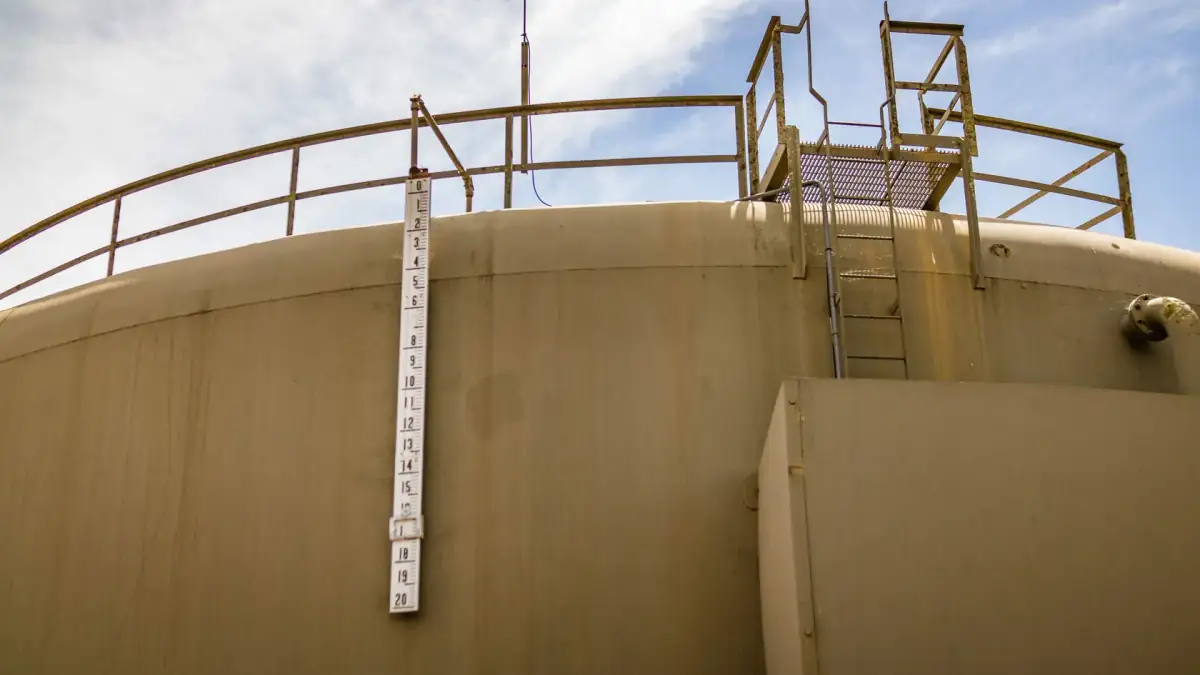
Part of Tank cleaning and waterproofing · All services · Back to the home page
No fixed rate applies; these factors determine the actual cost when the tank is inspected on site
Total internal surface area directly sets the epoxy volume and labour hours needed
Corroded concrete or multiple cracks require more preparation and filler work before coating
Underground tanks differ from roof tanks in access, ventilation and working conditions
A porous or weak surface may need an extra primer before the standard two-coat system
Emergency visits outside regular working hours affect the labour component of the quote
Same method, same equipment. Only the size of the job changes.
Why us
Amana means trust. Someone else’s home is not ours to be careless in.
Do not take our word for it. Look at the work yourself.
The leak is marked before a single tile comes up.
A leak does not wait for the morning.
Six governorates, 139 areas.
For buildings and complexes, servicing before the problem starts.
Restaurants, offices and complexes, not only homes.
Six governorates, 139 areas.
Common questions
Need someone now? The emergency line is open any hour.
+965 9668 4964
Yes, all work is carried out from inside through the access hatch. No external breaking is needed unless the tank wall itself has structural damage.
Drinking-water rated epoxy is tested to confirm it releases no harmful substances into stored water. A standard waterproof paint is not formulated for that purpose and may leach compounds into the supply over time.
It depends on the condition. Limited cracks are repaired with resin without full lining. If the internal surface has degraded or lost its original gel coat, epoxy restores complete protection.
Full cure is confirmed on site before handover. The team does not authorise refilling based on elapsed time alone; an on-site check is made before the tank is cleared.
Both require drinking-water rated epoxy, but roof tanks face extreme heat in Kuwait's summer, which calls for a formulation with higher thermal resistance than is needed for underground tanks.