Camera inspection
internal filming before and after work to document tank condition
Farwaniya
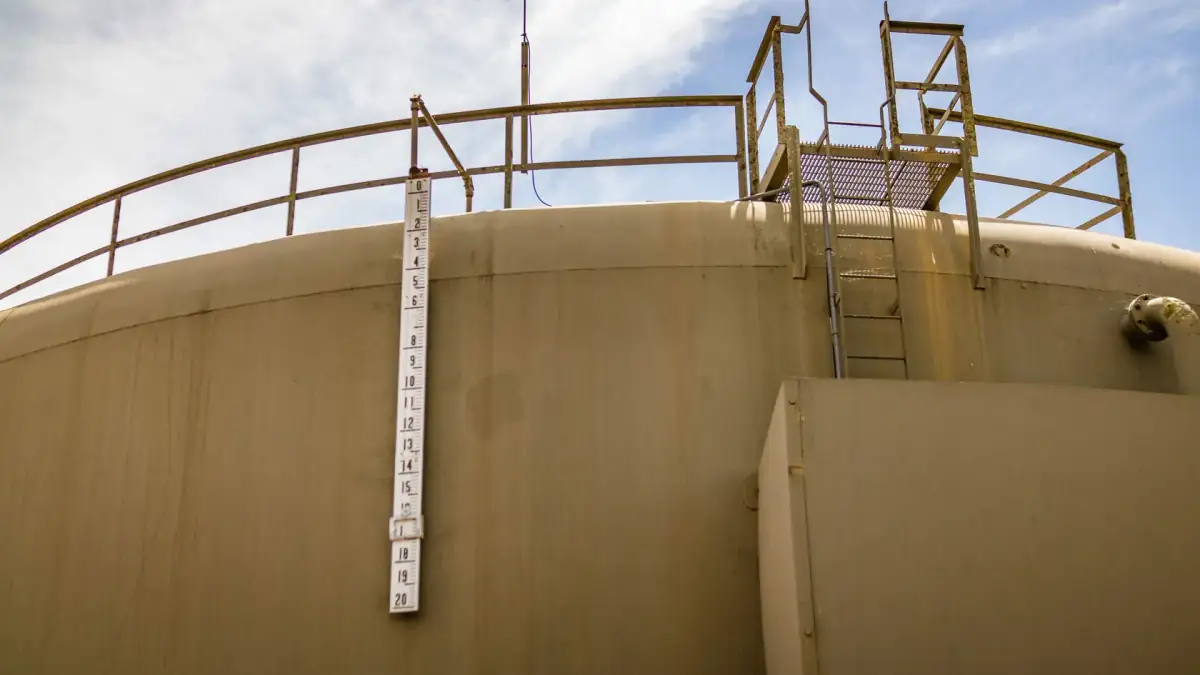
Underground tank cleaning in Ardhiya Industrial begins with a full inspection of the walls, floor and inlet before work starts. We remove sludge, rust and debris using high-pressure water, then disinfect the inner surfaces, refill the tank and test water quality before handover.
Large factories and warehouses in Ardhiya Industrial rely on deep underground tanks beneath outer pavements, and these tanks quickly accumulate sediment from hard water and aging pipes. Before starting we check the inlet location, tank depth and distance from neighbouring wells and structures. We use high-pressure water equipment to scour walls from top to bottom, then vacuum the sludge from the floor and remove any floating pipe or stuck valve.
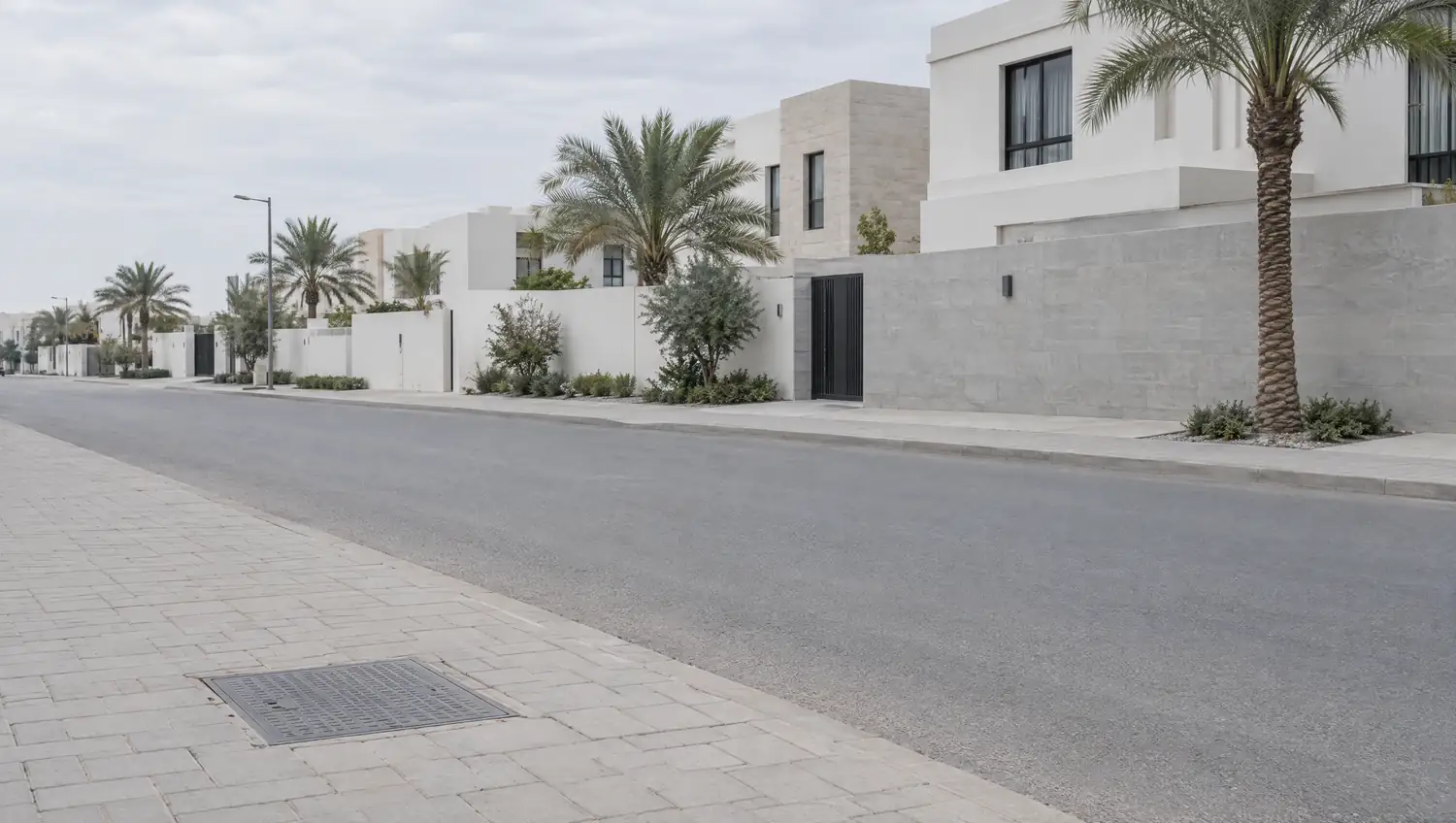
Ardhiya Industrial sits in Farwaniya governorate, a concentrated zone of factories and warehouses that depend on large underground tanks.
We sample the water after the first fill to analyse for bacteria and minerals because water quality reflects the tank's actual cleanliness.
internal filming before and after work to document tank condition
pump extraction of silt and settled deposits from the tank floor
pressurised water removes algae, scale and biofilm from all surfaces
post-wash internal treatment to make water safe before refilling
checking and resealing the hatch to prevent outside contamination
documented condition report handed to the property owner after cleaning
How we work

Tell us what is happening and where, and the right equipment is loaded before we arrive.
We film the line from inside and know the kind of blockage and its exact place. No guessing.
High pressure water, a machine or a drain snake, whichever the line actually needs.
The camera runs a second pass and you see the line clear with your own eyes before we leave.
Same method, same equipment. Only the size of the job changes.
Why us
Amana means trust. Someone else's home is not ours to be careless in.
Do not take our word for it. Look at the line yourself.
Breaking is the last resort, never the first step.
A blocked line does not wait for the morning.
Six governorates, 139 areas.
For buildings and complexes, servicing before the problem starts.
Restaurants, offices and complexes, not only homes.
Common questions
Need someone now? The emergency line is open any hour.
+965 9668 4964
It depends on tank size and sediment buildup, but a two-thousand-litre tank usually takes eight to ten hours from start to handover. We phase the work so water supply to the factory is cut for the shortest time.
Yes, because the drain line must stay open without inlet pressure. If you have a backup tank or separate lines, we can divert water temporarily to minimise production impact.