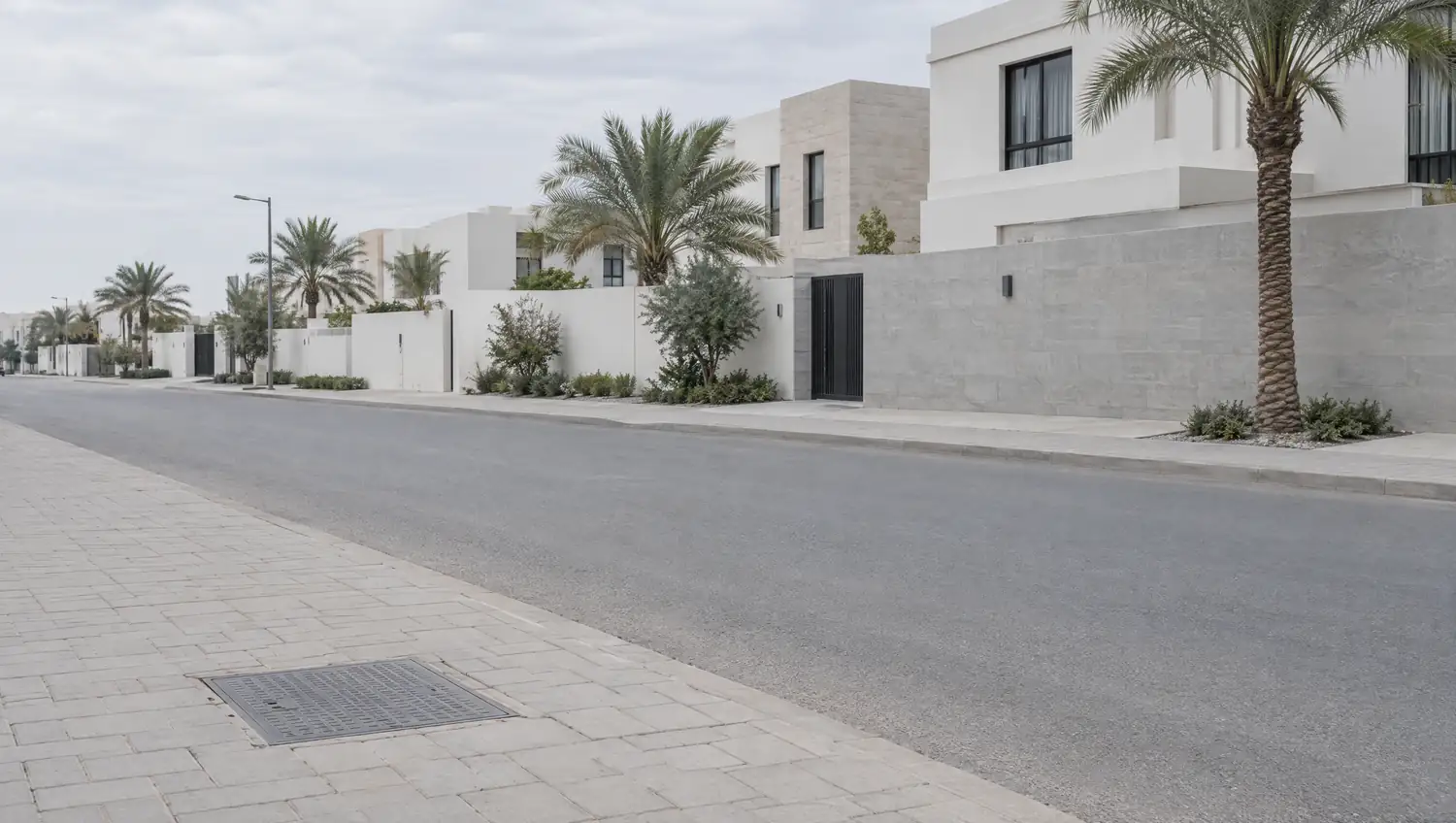
Camera inspection
internal filming before and after work to document tank condition
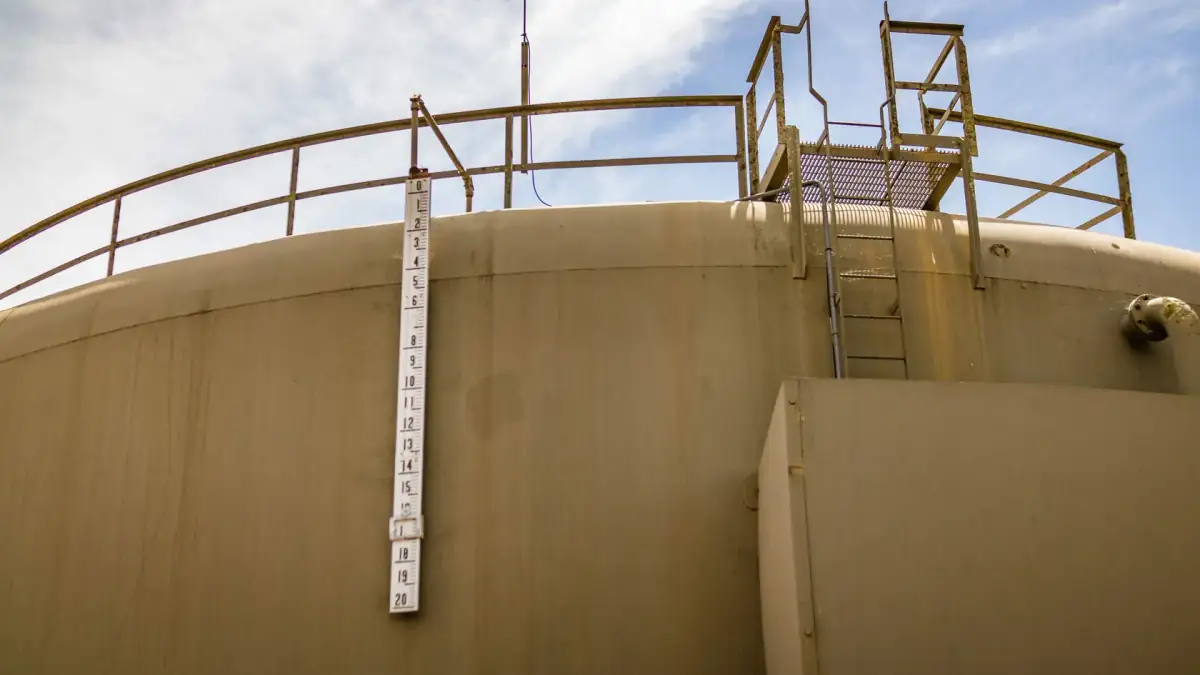
Tank cleaning and waterproofing
sediment removal, high-pressure wall and floor scrubbing, and a post-work camera check so you see the result before we close the hatch
every stage of underground tank cleaning from pre-work inspection to handover
internal filming before and after work to document tank condition
pump extraction of silt and settled deposits from the tank floor
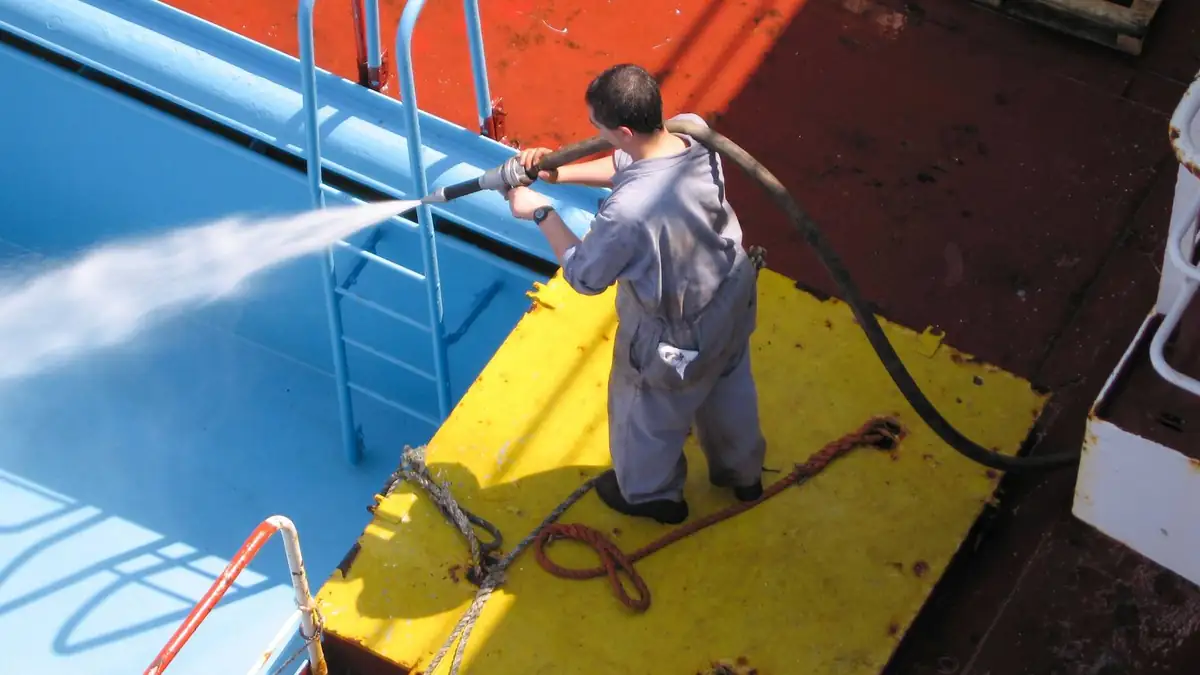
pressurised water removes algae, scale and biofilm from all surfaces
post-wash internal treatment to make water safe before refilling
checking and resealing the hatch to prevent outside contamination
documented condition report handed to the property owner after cleaning
share tank size and cleaning history to book the right time slot
internal filming documents tank condition in front of the owner before starting
extract floor sediment first, then high-pressure scrub all walls and floor
treat the internal surface and reseal the hatch before refilling
second camera pass and condition report handed to the property owner
flushing walls before extracting floor sediment stirs silt back into the water and recontaminates cleaned surfaces
a loose or cracked hatch lets insects and soil enter and undoes the cleaning within hours
removing only floor sediment while leaving wall biofilm allows bacteria and algae to multiply and return to the water
refilling immediately after washing without treating the surface wastes the clean and reintroduces microbial contamination
find the hatch in the floor or wall so no time is lost locating it on arrival
close the inlet valve before the team arrives so the water level drops to a safe working depth
an approximate cubic-metre figure lets us size the pump and vacuum equipment before we arrive
if the previous clean is recorded in a maintenance log, share it so we can gauge sediment build-up
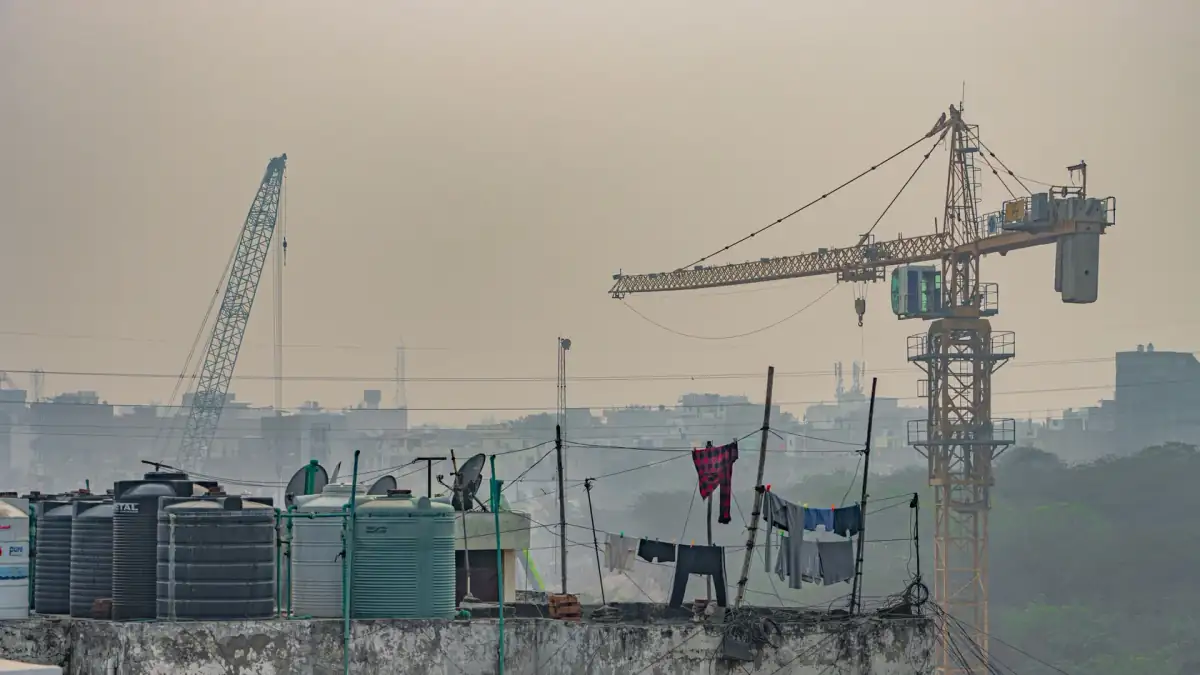
Part of Tank cleaning and waterproofing · All services · Back to the home page
no fixed rate applies; these factors shape the quote after the team assesses the tank
larger tanks need more pump time and higher-capacity vacuum equipment
thick sediment or entrenched algae on walls increases the labour hours required
a narrow hatch or restricted location requires extra equipment or longer entry time
cracked walls or flaking coating need additional work before disinfection
emergency calls outside standard hours carry a different rate than scheduled visits
Same method, same equipment. Only the size of the job changes.
Why us
Amana means trust. Someone else’s home is not ours to be careless in.
Do not take our word for it. Look at the work yourself.
The leak is marked before a single tile comes up.
A leak does not wait for the morning.
Six governorates, 139 areas.
For buildings and complexes, servicing before the problem starts.
Restaurants, offices and complexes, not only homes.
Six governorates, 139 areas.
Common questions
Need someone now? The emergency line is open any hour.
+965 9668 4964
Taste and colour change are late signs. Sediment and algae build up on walls long before they affect visible water quality. Periodic cleaning on a schedule is safer than waiting for symptoms to appear.
Full emptying is necessary to reach the walls and floor and disinfect them properly. Cleaning with water still present prevents removal of settled sediment and scale on the surface.
Yes. Mineral-heavy water leaves a lime layer on tank walls that becomes a surface for bacterial growth. This makes the pre-work camera check useful for assessing how much scale has formed.
No. Cleaning is a standalone step carried out on its own when needed. Epoxy lining follows as a separate step if the post-clean inspection reveals the surface needs additional protection.
The service covers homes, apartments, residential complexes and commercial buildings across all Kuwait governorates. Tank size and access requirements determine how the work is organised.