Pressure line leaks
A flexible camera enters the supply line and films the crack position
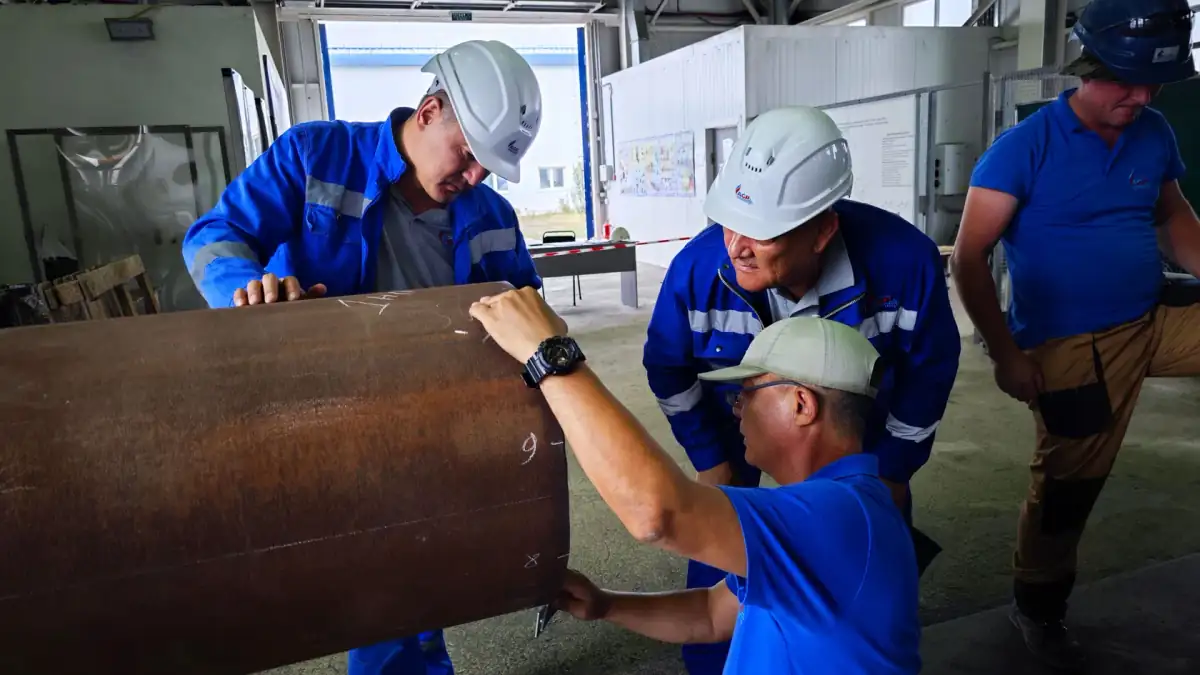
Filming pipe interiors to locate leaks, assess wall condition and spot mineral build-up
A flexible camera enters the supply line and films the crack position
A second run after repair confirms the fault is sealed while the customer watches
Camera footage reveals mineral scale narrowing the bore before a full blockage forms
Old galvanised iron corrodes internally; camera footage assesses remaining wall thickness
Filming the buried run identifies the fault and avoids random breaking across the floor
Full video record of the line documents pipe condition for future maintenance planning
Describe the symptoms and building location to confirm the right camera setup
The technician opens or removes the nearest fitting to insert the camera
Camera advances through the line with live footage shown to the customer
The locator traces the head above ground and marks the exact fault point
Video recording is handed to the customer alongside a repair recommendation
A lit head on a flexible rod feeds live footage to a screen, suited to supply lines and small-bore drain runs
Recording during the run produces a visual document the customer keeps and the repair crew references
Built-in illumination is essential inside dark pipes and reveals crack detail and scale deposits clearly
The head transmits a signal picked up above ground, marking the exact spot on floor or wall
The camera needs an opening: a removed fitting, exposed joint or cleanout near the suspect zone
The line being inspected must be empty or at low pressure; close the isolation valve beforehand
Write down where damp spots, sounds or meter rises appear; helps the technician choose which line to inspect first
A building drawing or an old photo from the finishing stage shortens the time spent tracing the line route
Part of Water leak detection · All services · Back to the home page
No fixed rate applies; the quote depends on the line type, length to be filmed and visit timing
A longer run takes more time and raises the cost
Large drain runs need a different camera head than narrow supply lines
Lines buried deep or behind sealed finishes add preparation time
Inspecting one line differs in cost from filming a multi-branch network
Night and holiday visits are priced differently from standard working hours
Same method, same equipment. Only the size of the job changes.
Why us
Amana means trust. Someone else’s home is not ours to be careless in.
Do not take our word for it. Look at the work yourself.
The leak is marked before a single tile comes up.
A leak does not wait for the morning.
Six governorates, 139 areas.
For buildings and complexes, servicing before the problem starts.
Restaurants, offices and complexes, not only homes.
Six governorates, 139 areas.
Common questions
Need someone now? The emergency line is open any hour.
+965 9668 4964
No; the line must be isolated and depressurised or partially drained before the camera enters. A pressurised line prevents a clear image and risks damaging the equipment.
Yes. Kuwait's hard water commonly leaves scale deposits that the camera images clearly. Identifying the build-up during the same visit lets you address it before it becomes a full blockage.
A fully broken section requires opening and replacement, but the camera pinpoints the exact position. Breaking is then limited to that specific point and nowhere else.
Yes, and it is especially practical in restaurants and commercial complexes where finishes are expensive and random breaking is costly. The camera guides any opening to a single confirmed point.
In most cases the flexible camera passes through moderate narrowing. If corrosion has reduced the bore to a near-total blockage, replacement becomes the only option and this is clearly noted in the inspection report.