Pipe repair
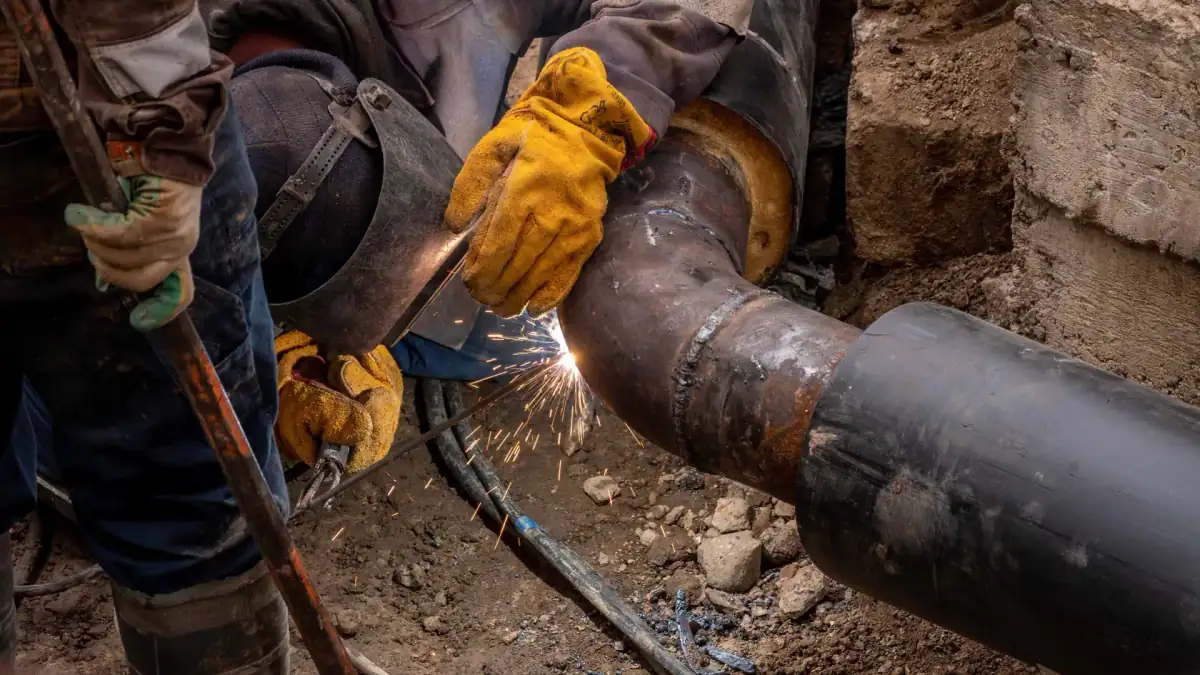
replacing the cracked or corroded section in PPR, uPVC or galvanised iron
Water leak detection
breaking is limited to where the fault actually sits, the repaired line is tested before any reinstatement, so you see the result before the wall closes
repairing hidden supply lines in walls, floors and ceilings once the fault point is confirmed
replacing the cracked or corroded section in PPR, uPVC or galvanised iron
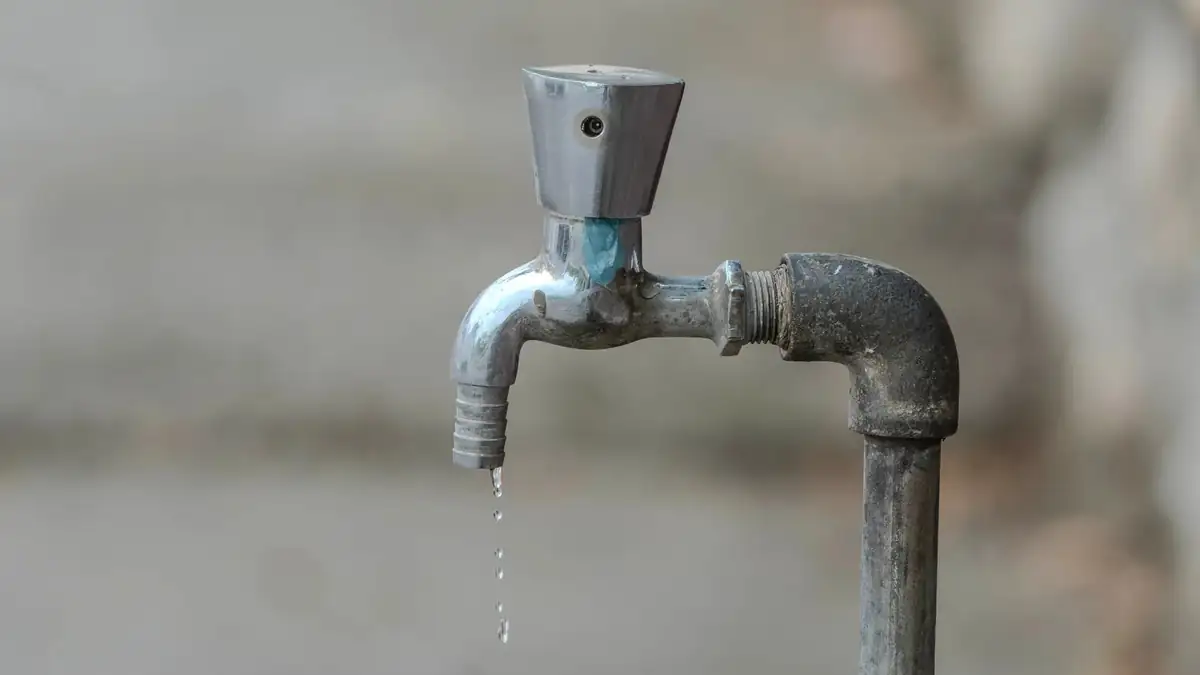
tightening or replacing a weeping fitting before damp spreads further
tiles or plaster opened only above the confirmed fault, nowhere else
pressurising the line after repair to confirm the leak is fully sealed
clearing mineral scale from the pipe wall when the damaged section is replaced
reconnecting the line and restoring full flow before the technician leaves
describe the symptoms and wet area; a technician visit is scheduled
acoustic tools and camera pinpoint the leak before any breaking starts
only the confirmed fault point is opened, nothing beyond it
the section or fitting is replaced, then the line is pressurised to confirm the seal
the opening is patched with suitable material and the site is left clean
a damp patch returns within days of drying out, pointing to steady pressure behind the plaster
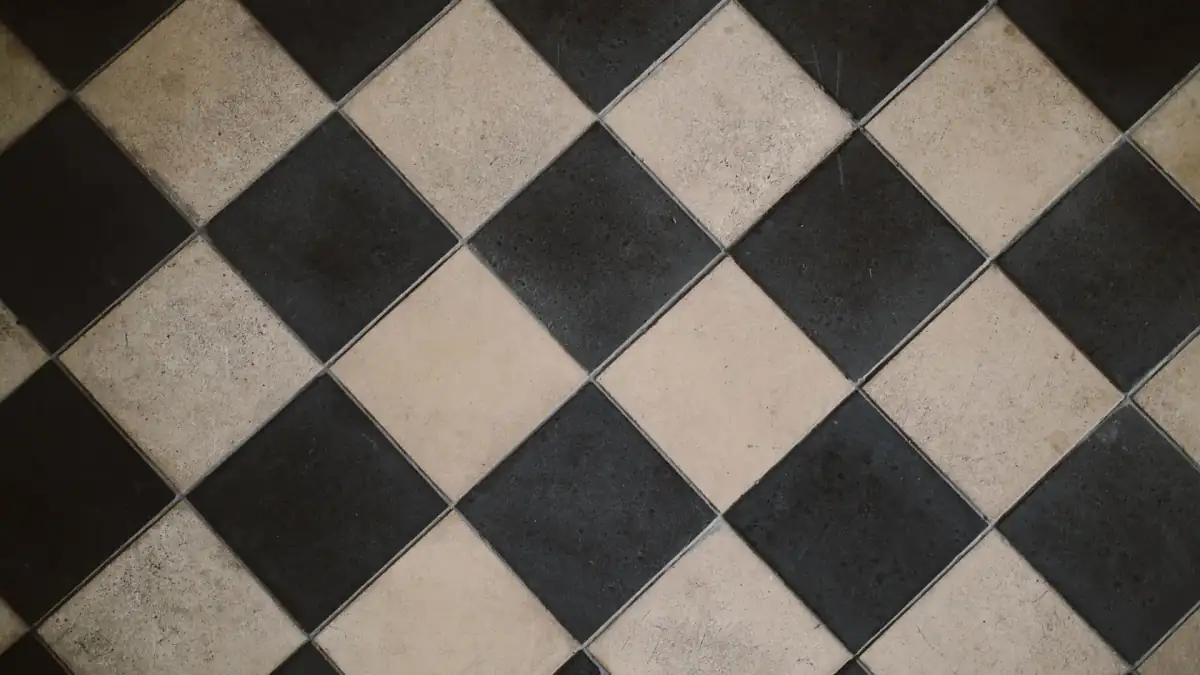
hidden moisture under the floor softens the bedding mortar until tiles crack or rise at the joints
a faint continuous hiss with all taps closed means pressurised water is escaping inside the wall
a meter dial that creeps forward with every tap and valve closed confirms a leak in the hidden network
closing the room or main stopcock stops the leak temporarily and limits damage until the technician arrives
a clear photo of the damp area or cracked tile helps the technician assess the fault before arriving
knowing whether the damp patch sits above another bathroom or room helps trace the leaking pipe route
breaking tiles without confirming the fault location multiplies cost and still may not expose the leak
Part of Water leak detection · All services · Back to the home page
no fixed rate applies; the quote is shaped by several factors assessed after the fault is located
a line buried under thick tile or concrete takes more effort than a pipe in a wall chase
old galvanised iron or heavily scaled pipe usually needs a longer section replaced
a single joint leak differs from a cracked line needing multiple openings to repair
calling outside normal working hours affects the final price
patching with plaster differs from a full re-skim and levelling of the opened surface
Same method, same equipment. Only the size of the job changes.

Why us
Amana means trust. Someone else’s home is not ours to be careless in.
Do not take our word for it. Look at the work yourself.
The leak is marked before a single tile comes up.
A leak does not wait for the morning.
Six governorates, 139 areas.
For buildings and complexes, servicing before the problem starts.
Restaurants, offices and complexes, not only homes.
Six governorates, 139 areas.
Common questions
Need someone now? The emergency line is open any hour.
+965 9668 4964
Always. Repairing without knowing the exact fault point means random breaking that may miss the leak entirely. Acoustic tools and a camera confirm the location first, then breaking is done precisely where needed.
A localised repair coupling works in some cases, but if the pipe wall is stressed by scale buildup or the crack runs along a pressure point, replacing the section gives a more reliable long-term result.
Usually yes, but water travels horizontally along the floor screed before it drips, so the stain is often not directly below the fault. Camera and acoustic detection are needed to find the actual source.
It is best to let the opened area dry fully and monitor it briefly to confirm no residual moisture remains. The technician will advise you on timing after the pressure test.
Yes. Buried outdoor supply lines are handled the same way: locate first, then dig only at the confirmed point. The repair materials differ because the pipe faces ground pressure and soil moisture.