Acoustic surface scan
Tracing the leak sound through tile and screed layers
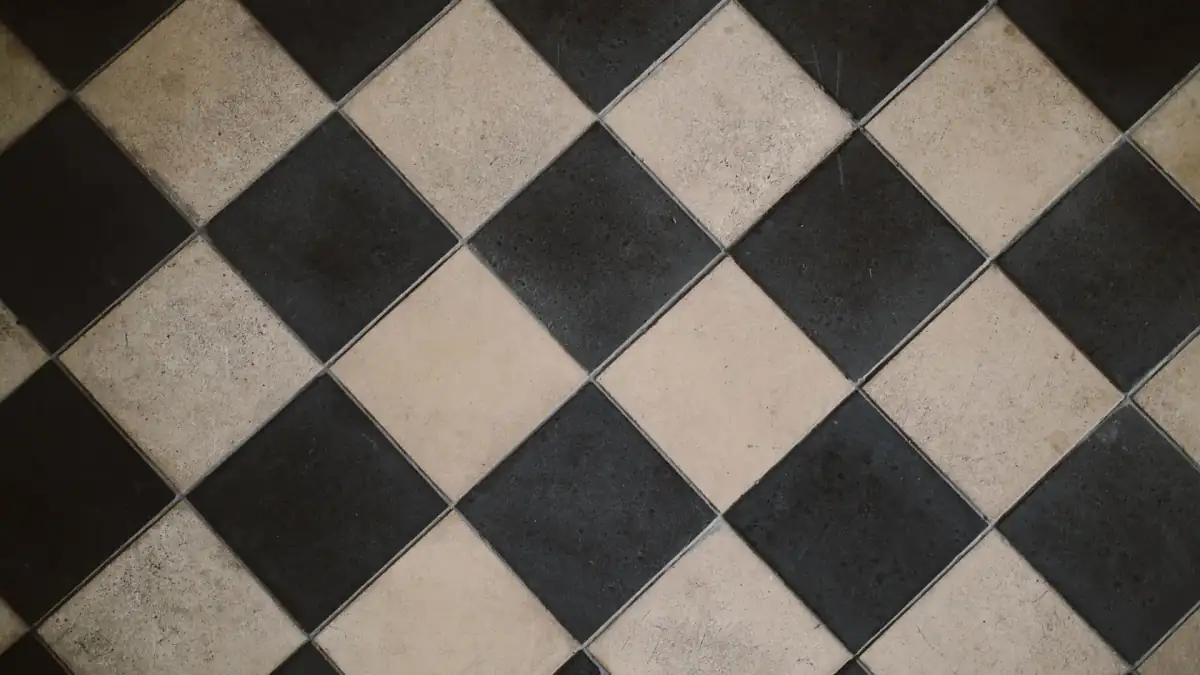
Locating hidden leaks beneath floor and wall tiles before any breaking decision is made
Tracing the leak sound through tile and screed layers
Isolating the suspect line and measuring pressure drop to confirm fault location
Filming inside the pipe from the nearest access point to view the crack
Marking the exact spot on the tile surface to minimise breaking area
Checking pipe branches hidden inside the adjacent ceiling or wall
Handing the confirmed location directly to the repair team
Describe the symptoms and confirm a visit time by call or WhatsApp
The probe moves across the tile surface to locate vibration zones from the leak
The suspect line is isolated and pressure tested; camera is inserted if needed
The leak location is marked precisely on the tile and shown to the customer
Detection findings are handed over with a clear recommendation for the repair step
Pressed flat on the tile to capture the vibration of water escaping below with high sensitivity
Raises pressure in the isolated line and reveals the precise drop that points to the crack location
Enters from a nearby access point and transmits a live image of the crack or failed joint
Measures moisture in the screed without breaking to map how far the leak has spread
Note where the damp or lifted tile appears and photograph it before the visit
Know which line serves the area: cold supply, hot water or drainage
Record the meter reading at night after closing all taps and check for movement
Clear furniture or cabinets over the suspect area so the probe reaches the tile directly
Part of Water leak detection · All services · Back to the home page
No fixed rate applies; the quote depends on the detection factors below
Each line requiring an independent pressure test adds to the cost
A larger area requires longer repeated acoustic scanning time
Thick screed weakens the sound signal and may require more sensitive equipment
Adding in-line camera filming raises cost but confirms the fault with certainty
Night and emergency visits carry different charges from regular daytime appointments
Same method, same equipment. Only the size of the job changes.
Why us
Amana means trust. Someone else’s home is not ours to be careless in.
Do not take our word for it. Look at the work yourself.
The leak is marked before a single tile comes up.
A leak does not wait for the morning.
Six governorates, 139 areas.
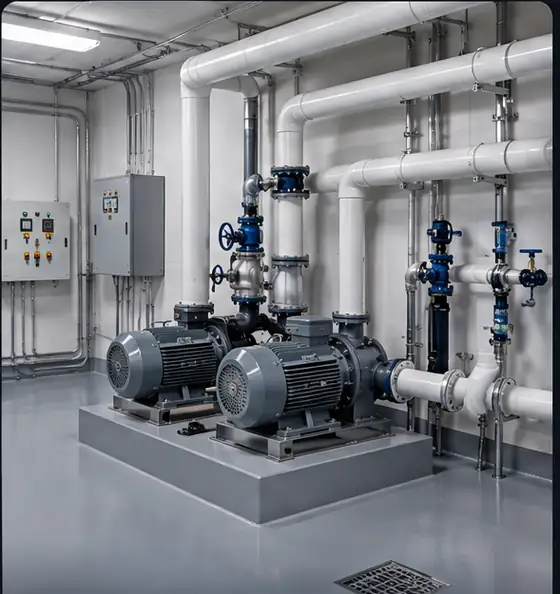
For buildings and complexes, servicing before the problem starts.
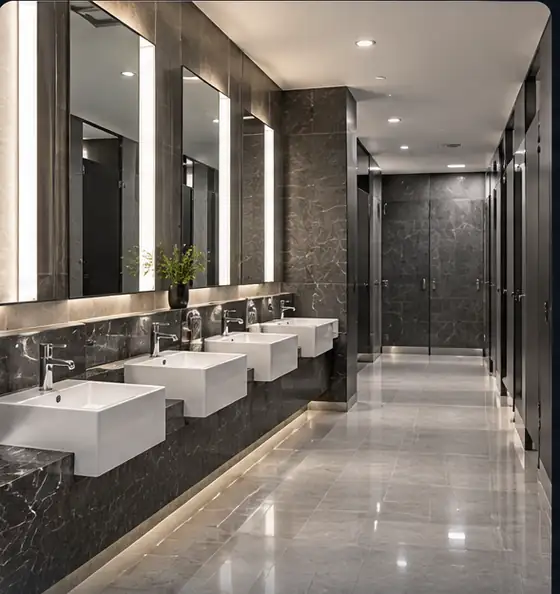
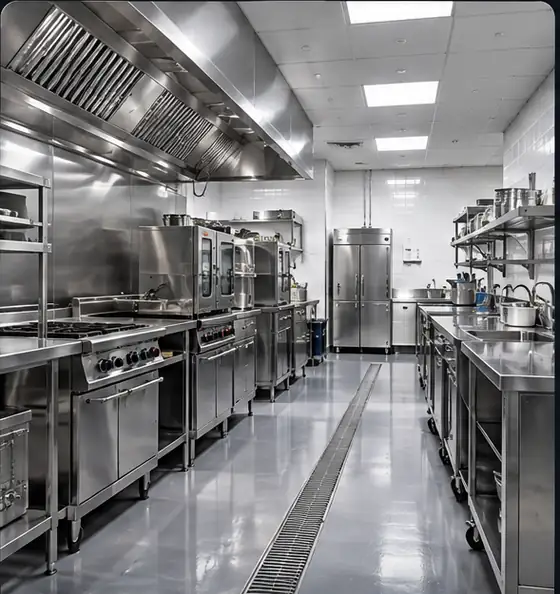
Restaurants, offices and complexes, not only homes.
Six governorates, 139 areas.
Common questions
Need someone now? The emergency line is open any hour.
+965 9668 4964
Yes, the contact probe captures vibration through ceramic and screed layers. If the signal is weak, an in-line camera entered from the nearest access point supplements the reading.
A hot line leak accelerates tile lifting and moisture spread, and the moisture meter often reads higher vapour levels. The acoustic scan and pressure test method is the same for both lines.
Yes. A slow leak in the screed layer is absorbed before reaching the tile surface. A pressure test on the suspect line gives a more certain answer than surface observation alone.
Multiple areas can be checked in the same visit, but each line is tested independently and the number of lines to test can affect the visit cost.
Breaking becomes necessary when the pipe itself is cracked or broken and cannot be repaired from inside. Accurate location means only one or two tiles need to be opened rather than a wide area.