Tank installation
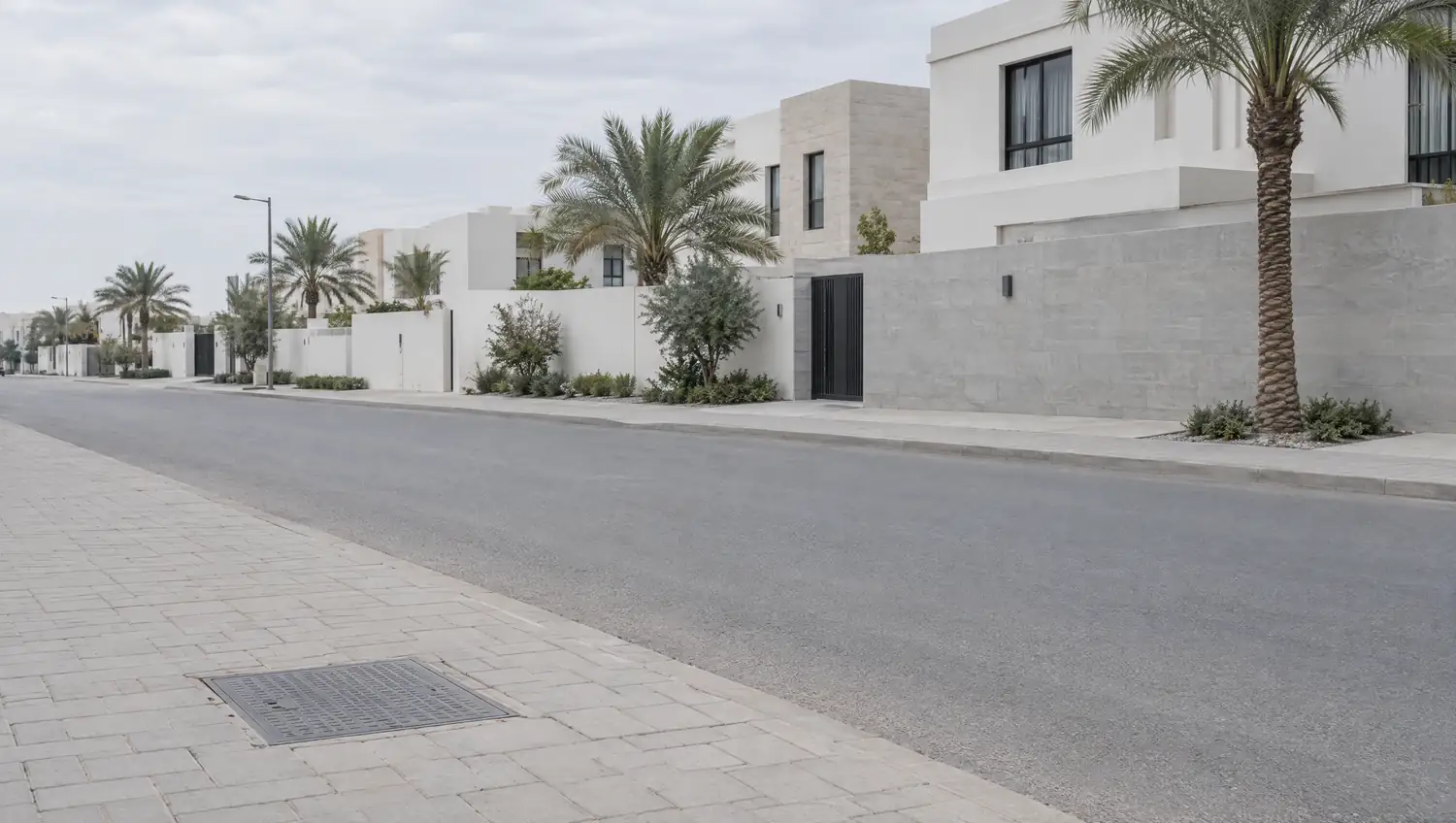
Mounting the tank on a level concrete base to protect its base from cracking
Capital
Roof tank installation in Salhiya begins by checking the concrete roof thickness and soil bearing capacity under supports. We position the tank away from roof edges, run supply pipes from below, connect overflow and drain lines, then fill to test structural stability.
Salhiya commercial buildings have strong roofs built to carry heavy air-conditioning and equipment loads. When adding a new tank we measure concrete thickness first because some roofs cannot take a large tank without reinforcement. Metal tanks need a bitumen layer under their supports to stop rust from moisture pooling between the metal and concrete.
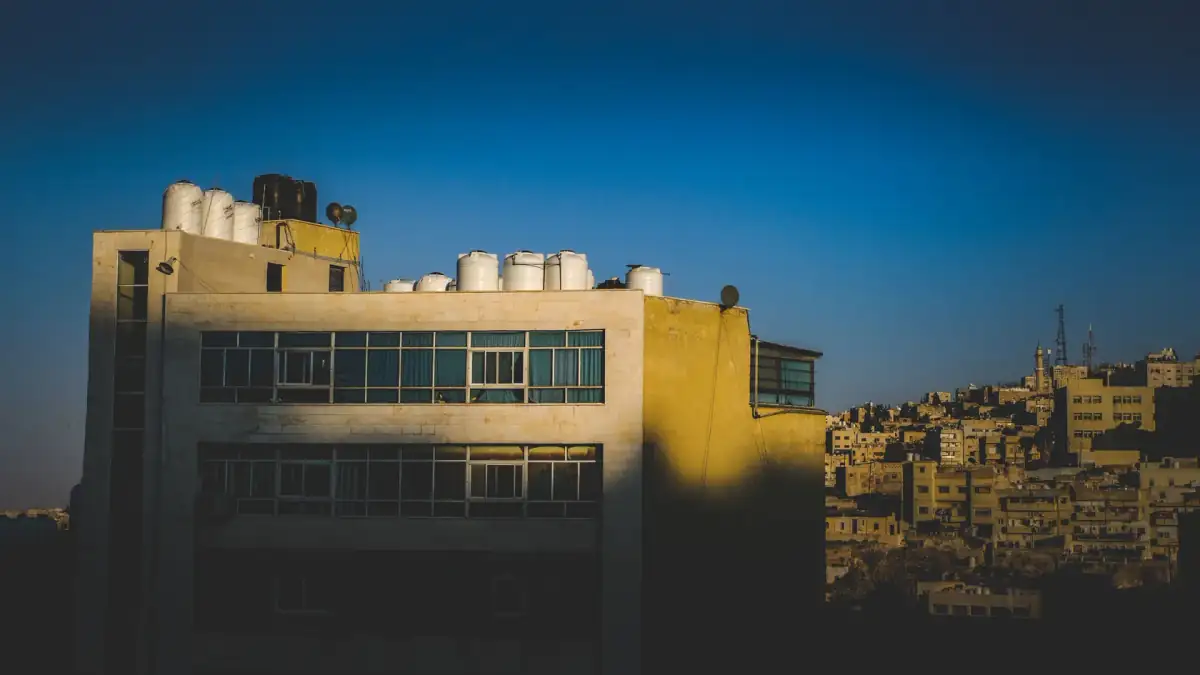
Salhiya is a strong commercial zone in Kuwait City near Sheraton Hotel, where building roofs are engineered for heavy industrial loads.
We lay bitumen waterproofing under each metal support to protect the concrete roof from moisture seepage over time.
Mounting the tank on a level concrete base to protect its base from cracking
Running the fill line and distribution line to floors in PPR pipe
Installing the overflow at correct slope so no water pools on the roof
Connecting the existing transfer or pressure pump and setting its switch
Fitting a brass float valve sized to the tank for accurate fill cut-off
Testing all joints under pressure before handover to confirm no leaks
How we work

Tell us what is happening and where, and the right equipment is loaded before we arrive.
We film the line from inside and know the kind of blockage and its exact place. No guessing.
High pressure water, a machine or a drain snake, whichever the line actually needs.

The camera runs a second pass and you see the line clear with your own eyes before we leave.
Same method, same equipment. Only the size of the job changes.
Why us
Amana means trust. Someone else's home is not ours to be careless in.
Do not take our word for it. Look at the line yourself.
Breaking is the last resort, never the first step.
A blocked line does not wait for the morning.
Six governorates, 139 areas.
For buildings and complexes, servicing before the problem starts.
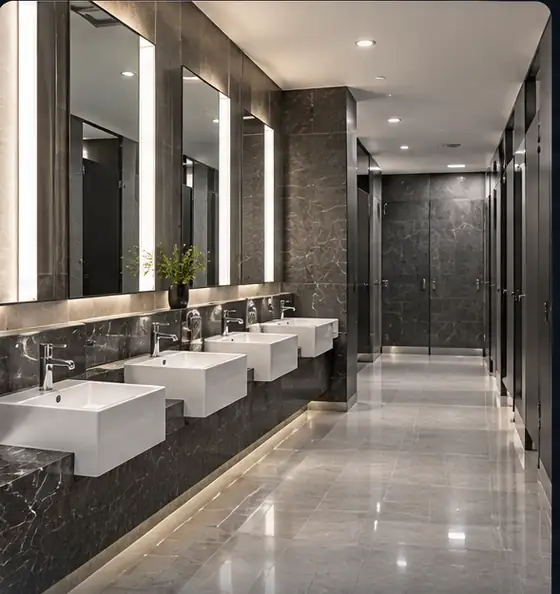
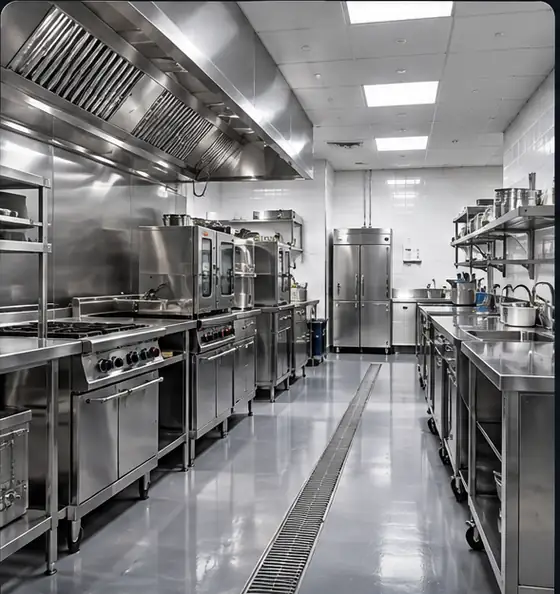
Restaurants, offices and complexes, not only homes.
Common questions
Need someone now? The emergency line is open any hour.
+965 9668 4964
We test the concrete roof thickness first and measure its deflection under load. If the roof is thin or cracked, we may spread the weight wider using a timber base to distribute pressure evenly.
We cut the first joint in the old pipe, fit a new isolation valve, then connect the new line. Before full opening, we run water at low flow to flush any deposits from the old pipe.