Tank installation
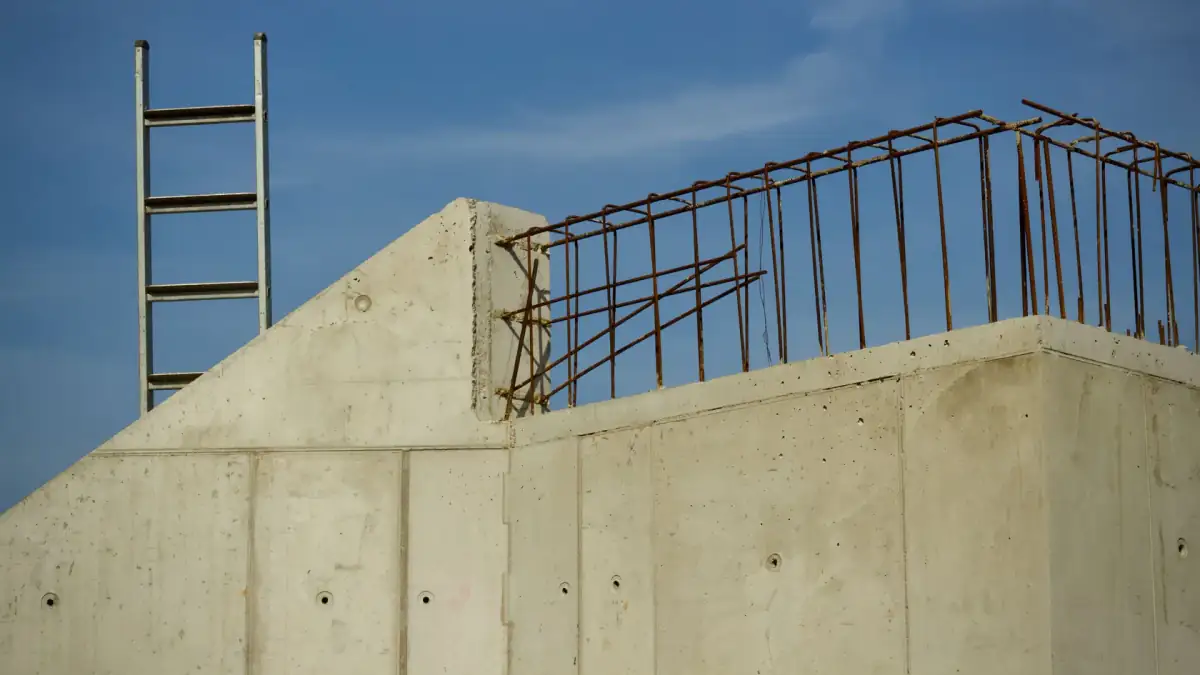
Mounting the tank on a level concrete base to protect its base from cracking

From choosing the roof position to the final pressure check after all connections are live
Mounting the tank on a level concrete base to protect its base from cracking
Running the fill line and distribution line to floors in PPR pipe
Installing the overflow at correct slope so no water pools on the roof
Connecting the existing transfer or pressure pump and setting its switch
Fitting a brass float valve sized to the tank for accurate fill cut-off
Testing all joints under pressure before handover to confirm no leaks
Call or WhatsApp us describing the floors, current tank condition and roof access
We visit to assess the base, pump and choose the right size and position
We prepare the base and source the tank, pipes and correctly sized float valve
We mount the tank and connect all inlet, overflow and pump lines fully
We fill the tank, run a pressure test and confirm float valve cut-off before handover
Lightweight, UV-resistant, and does not taint water during Kuwait's extreme summer heat
Handles high roof temperatures and resists the seasonal expansion and contraction of exposed runs
Spreads the full tank weight evenly and raises it off the roof surface to prevent moisture buildup
Brass outlasts plastic in Kuwait's hard water where mineral scale builds faster than in most countries
Without a raised base, moisture trapped underneath corrodes the tank base and damages the roof slab
A small tank empties before the network refills, causing low pressure on upper floors daily
Exposed pipes expand and contract with intense summer heat until their joints open and leak
Mineral scale in Kuwait's water breaks a plastic valve quickly, causing the tank to overflow at night
Part of Water tank installation · All services · Back to the home page
There is no fixed price list because several practical factors shape the final quote for each job
A larger tank or parallel twin-tank setup raises both material and labour costs
Pouring a new concrete base adds more cost than building on an existing one
Distance from the tank to the furthest distribution point affects the quantity of pipe needed
Replacing or re-routing an existing pump connection is added to the installation cost
Tall buildings or narrow stairwells increase the time needed to lift and position the tank
Same method, same equipment. Only the size of the job changes.

Why us
Amana means trust. Someone else’s home is not ours to be careless in.
Do not take our word for it. Look at the work yourself.
The leak is marked before a single tile comes up.
A leak does not wait for the morning.
Six governorates, 139 areas.
For buildings and complexes, servicing before the problem starts.
Restaurants, offices and complexes, not only homes.
Six governorates, 139 areas.
Common questions
Need someone now? The emergency line is open any hour.
+965 9668 4964
Capacity depends on the number of occupants, floors and the local network supply rate. We assess this during the site survey and recommend a size that covers at least a full day without a refill.
Usually yes, as long as the pump is working and its head pressure suits the new tank height. We check the pump during the survey and tell you if any adjustment is needed.
Exposed tanks absorb direct sun in Kuwait's summer. Choosing a multi-layer tank with reflective walls, adding shade where the position allows, and insulating the nearby pipe runs all reduce the heat gain.
Scale alone does not require replacement. Proper cleaning and a sealed lid prevent further buildup. Replacement is only needed if the tank is cracked or develops discolouration or odour that cleaning cannot resolve.
Concrete tanks are older, heavier and need periodic internal lining to stay watertight. Polyethylene tanks are lighter and faster to install with no lining required, but they need UV-resistant multi-layer walls to handle Kuwait's sun.