Stopping active leaks
Isolating and sealing a leak before it reaches walls or ceiling below.

immediate response to any sudden plumbing fault in homes or commercial buildings at any hour
Isolating and sealing a leak before it reaches walls or ceiling below.
Repairing a split PPR or iron pipe causing a sudden flood.
Diagnosing and restoring a pressure or transfer pump that stops off-hours.
Clearing a full blockage in bathroom or kitchen drain stopping all use.
Checking and fixing an electric or gas heater that stops suddenly.
Pressure and flow test after repair to confirm the line holds.
Describe the fault, location and access availability to the team.
Arrival time is set and the technician heads out with tools matching the reported fault.
The technician inspects the fault source with camera or acoustic detection before any breaking.
Leak stopped or faulty part replaced and the line returned to service.
Pressure and flow tested in front of the customer to confirm no leak remains.
Every minute the supply stays open drives more water into walls and floors, raising repair cost.
Tape masks a leak briefly while pressure keeps forcing water into the structure behind the wall.
Tearing tiles without locating the pipe first enlarges the break area and adds unnecessary finishing cost.
A damp stain on a ceiling below means the leak has been active long enough to saturate the slab.
Turn off the unit or building isolation valve immediately to stop water flow.
Record the room, wall, floor and any wet surface so the technician arrives prepared.
Spray, slow seep, smell, low pressure or knocking sound; each detail helps the technician prepare tools.
Move furniture and belongings away from the fault area before the technician arrives.
Part of Sanitary technician · All services · Back to the home page
No fixed rate applies; the quote is shaped by the fault type and several practical factors
Night and holiday calls carry a different rate from standard working hours.
A joint drip differs greatly in cost from a split pipe buried inside a wall.
Tile removal and reinstatement add to the quote when pipe access requires it.
Replaced valves, PPR fittings or pump parts are added to the service cost.
Large villas or commercial buildings may need extra crew or heavier equipment.
Same method, same equipment. Only the size of the job changes.
Why us
Amana means trust. Someone else’s home is not ours to be careless in.
Do not take our word for it. Look at the work yourself.
The leak is marked before a single tile comes up.
A leak does not wait for the morning.
Six governorates, 139 areas.
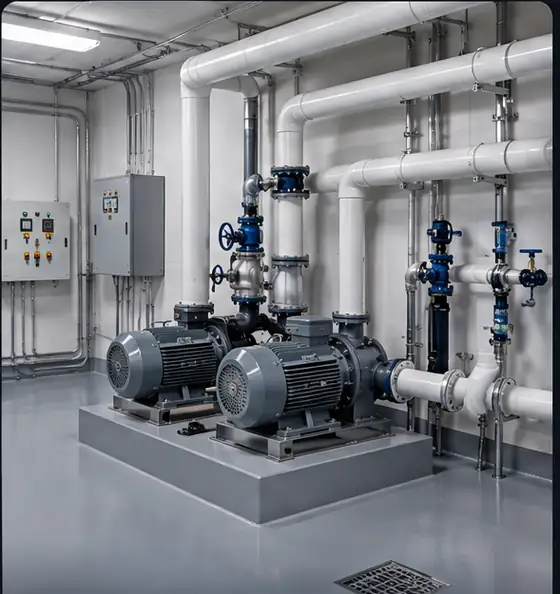
For buildings and complexes, servicing before the problem starts.
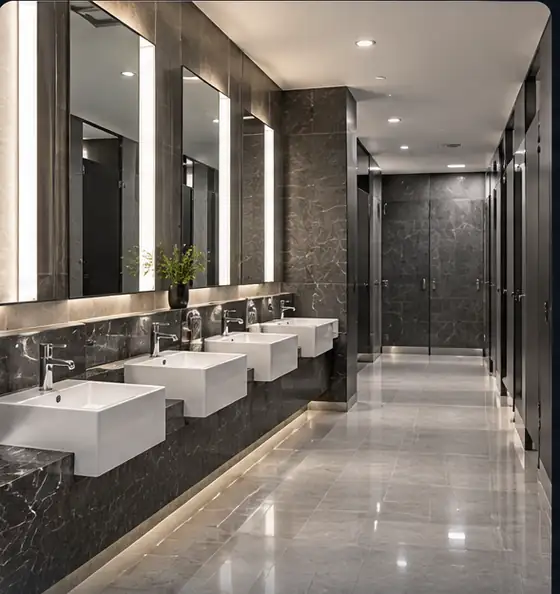
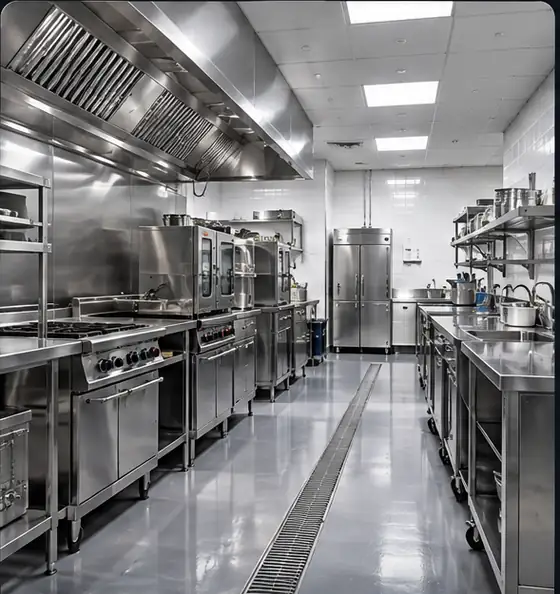
Restaurants, offices and complexes, not only homes.
Six governorates, 139 areas.
Common questions
Need someone now? The emergency line is open any hour.
+965 9668 4964
The service runs around the clock every day including public holidays. There is no cut-off time; call or WhatsApp at any hour and a technician is dispatched.
Close the nearest isolation valve, move belongings away from the wet area, and note exactly where the damp appears. These three steps let the technician start work the moment he arrives.
Breaking is a last resort. The technician uses an inspection camera and acoustic detection to pinpoint the leak first. Tiles are only removed once the exact location is confirmed or the pipe itself is found to be broken.
Yes. A heater that stops suddenly or starts leaking is treated as an emergency because an uncontrolled heater leak can cause rapid structural damage.
Al Amana covers all 6 governorates and 139 areas of Kuwait. Response reaches homes, offices and commercial complexes across the same service area with no exclusions by building type.