Camera inspection
Internal footage shows scale thickness and exact location before work starts
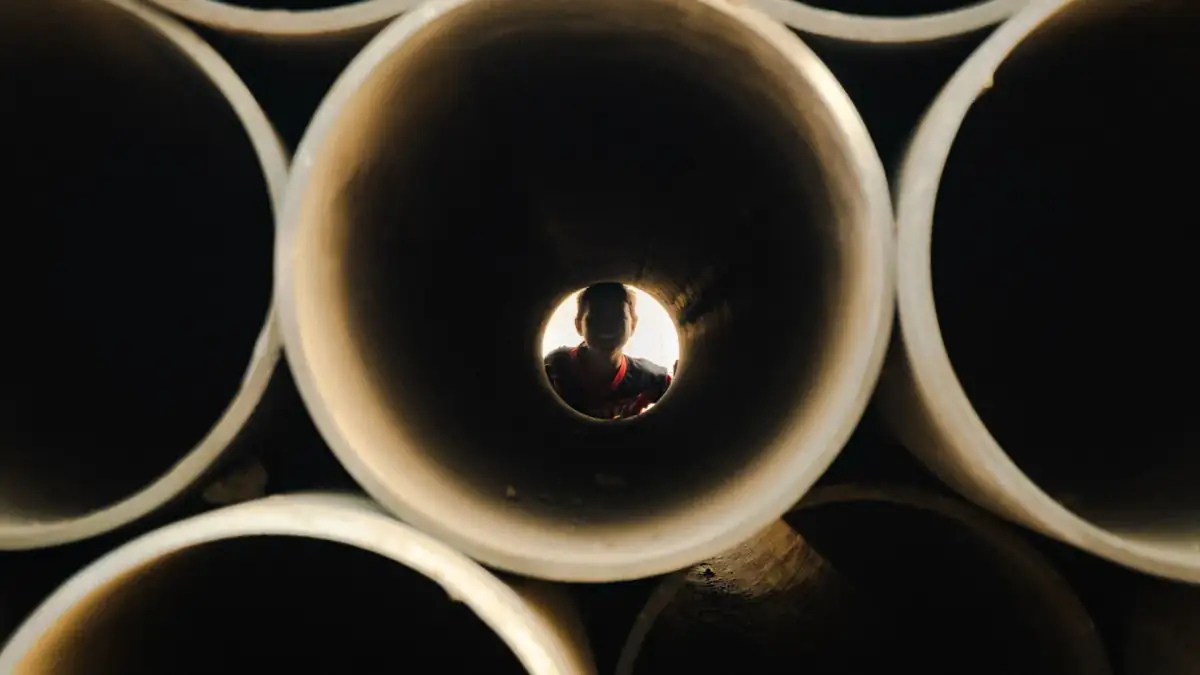
Water pipe runs
Calcium builds inside pipes long before a full block forms; we locate the scale, clear it without guessing, and confirm the bore is open again.
From scale assessment inside the line to confirming full pressure is restored at every outlet
Internal footage shows scale thickness and exact location before work starts
Breaking down calcium deposits that gradually narrow the pipe bore
Flushing loosened deposits out of the line under controlled water pressure
Targeted treatment for iron pipes corroding internally and trapping rust scale
Removing mineral build-up from mixer aerators and inline strainers
Second camera pass and pressure reading confirm a clean line to the customer
Describe the symptoms and building type; visit is scheduled straight away
Camera inside the line maps scale location and thickness before any work begins
Pressure level and treatment chosen to match the pipe material and scale volume
Scale removed and line flushed until the internal bore is fully clear
Second camera pass and pressure reading confirmed with the customer before leaving
Cleaning just the aerator while scale in the supply line stays untouched brings the problem back fast
Working blind means not knowing how thick or how far the scale extends before choosing the method
High-pressure jetting through corroded galvanised iron can split a weakened section and cause a leak
Visual check alone cannot confirm whether pressure at the end of the line has genuinely recovered
Knowing if one tap or all outlets are affected helps locate whether scale is local or spread through the line
Older buildings often have galvanised iron pipes that need a different cleaning approach than PPR or uPVC
Knowing where the main stopcock is saves time at the start and protects the rest of the supply during work
A gradual drop over time suggests scale build-up; a sudden loss points to a blockage or a different fault
Part of Water pipe runs · All services · Back to the home page
No fixed rate applies; the quote depends on factors that only become clear once the line is assessed
Longer lines with scale throughout require more time and material than a short run
Galvanised iron needs a slower, more careful method than PPR or uPVC to avoid damage
Heavy scale closing most of the bore over a long section demands more detailed treatment
Pipes buried inside walls or under tiles take extra time to reach access points
Night and public-holiday calls carry a different rate than regular working hours
Same method, same equipment. Only the size of the job changes.
Why us
Amana means trust. Someone else’s home is not ours to be careless in.
Do not take our word for it. Look at the work yourself.
The leak is marked before a single tile comes up.
A leak does not wait for the morning.
Six governorates, 139 areas.
For buildings and complexes, servicing before the problem starts.
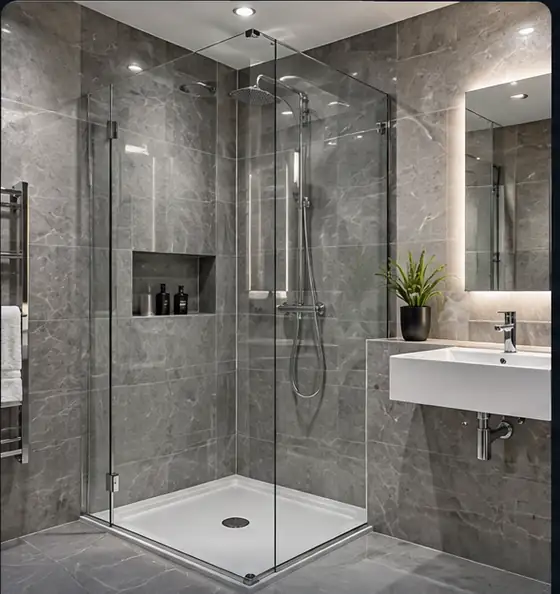
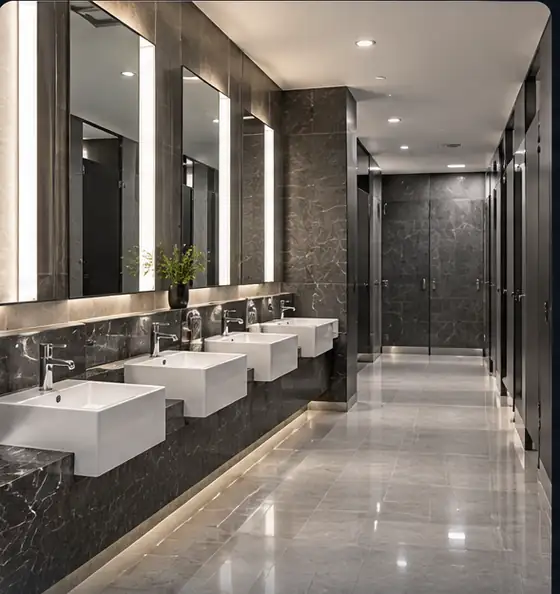
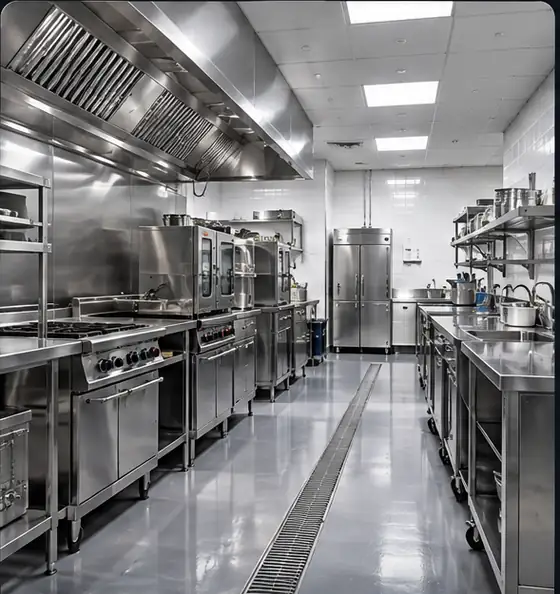
Restaurants, offices and complexes, not only homes.
Six governorates, 139 areas.
Common questions
Need someone now? The emergency line is open any hour.
+965 9668 4964
In most cases a single line can be isolated rather than cutting supply to the whole unit. This depends on whether individual isolation valves were fitted at each branch. The technician confirms this at inspection.
Kuwait's hard water leaves mineral deposits continuously. If only part of the line is treated, scale resumes quickly in the untouched sections. A full line clean confirmed by camera gives a longer-lasting result than a partial flush.
Not always. A failing transfer pump or a roof tank that is not filling will produce the same symptom. Camera inspection shows whether scale is actually narrowing the bore, which rules out a pump or tank fault before work begins.
Yes. High temperatures accelerate calcium and magnesium precipitation, especially in exposed roof pipes and lines near hot storage. This makes periodic cleaning a practical necessity in Kuwait rather than an occasional task.
No. PPR has a smooth bore that resists scale and cannot tolerate some treatments suited to iron. Galvanised pipes corrode internally and need a carefully controlled method to avoid opening a weakened section during cleaning.