Site and depth planning
Position and depth chosen to suit the transfer pump and surface loads
Ahmadi
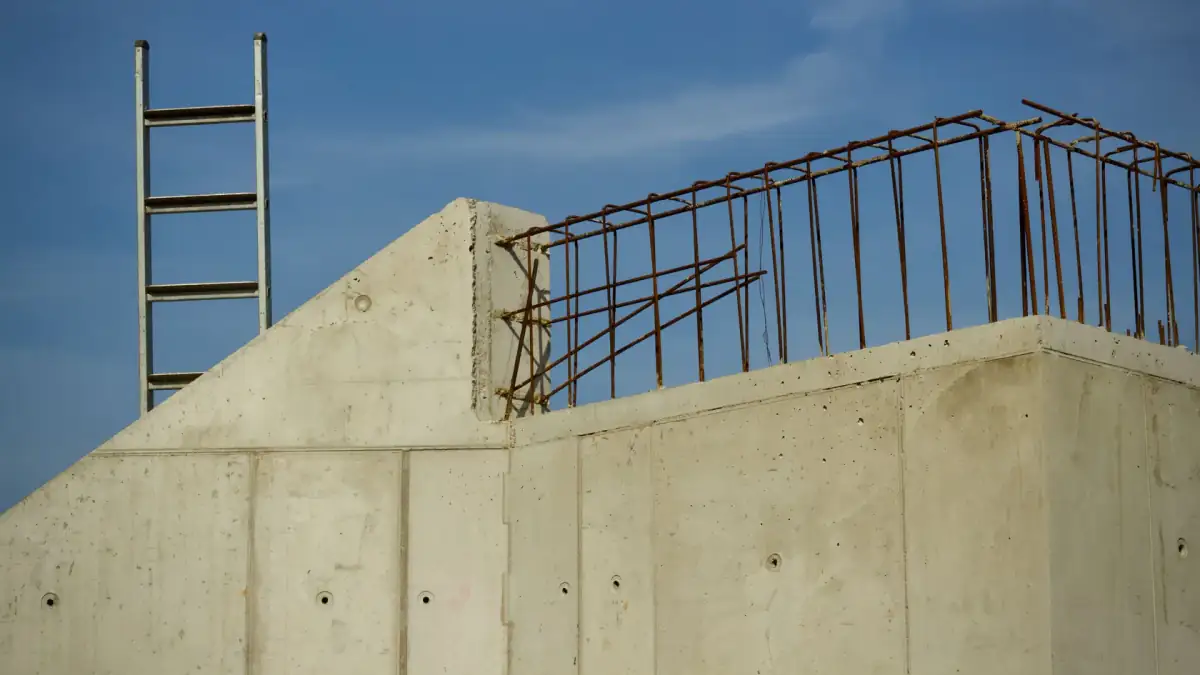
Installing an underground tank in Jaber Al-Ali requires precise knowledge of the site soil and existing line positions. We start with a site survey, then open an excavation with straight walls and level base. Forms are set, concrete poured and internal drainage installed before closing the top slab.
Many Jaber Al-Ali homes were built in phases, so old tanks or shallow foundations sometimes lie nearby. We select a new spot away from these obstacles, often at a rear corner of the plot. Each distance from boundary and building is measured precisely and plotted before excavation starts, because the soil here is a sand-silt mix that needs careful drainage handling.
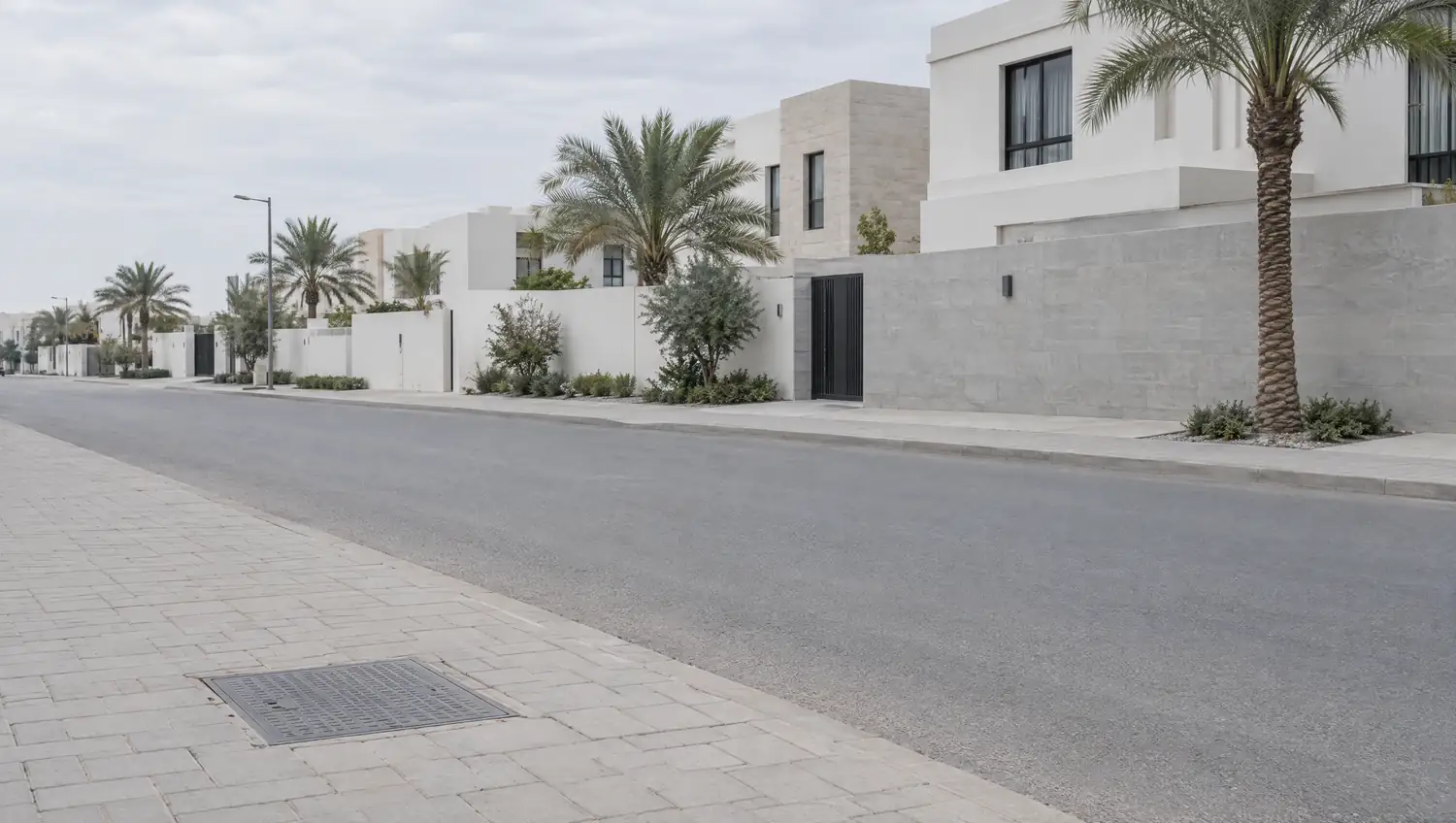
Jaber Al-Ali suburb sits in Ahmadi governorate, a district that developed over decades with older homes receiving additions and modifications.
Soil strength is tested by probing the excavation and pressing the walls to assess stability before concrete is poured.
Position and depth chosen to suit the transfer pump and surface loads
Base and walls built to carry soil pressure and full water load
Internal and external coating layers that block water movement in both directions
Inlet and outlet openings sealed with rubber collars to prevent pipe-joint leaks
Transfer pump and water-level float wired and adjusted for correct operation
Tank filled and water level watched to confirm zero leakage before backfilling
How we work

Tell us what is happening and where, and the right equipment is loaded before we arrive.
We film the line from inside and know the kind of blockage and its exact place. No guessing.
High pressure water, a machine or a drain snake, whichever the line actually needs.
The camera runs a second pass and you see the line clear with your own eyes before we leave.
Same method, same equipment. Only the size of the job changes.
Why us
Amana means trust. Someone else's home is not ours to be careless in.
Do not take our word for it. Look at the line yourself.
Breaking is the last resort, never the first step.
A blocked line does not wait for the morning.
Six governorates, 139 areas.
For buildings and complexes, servicing before the problem starts.
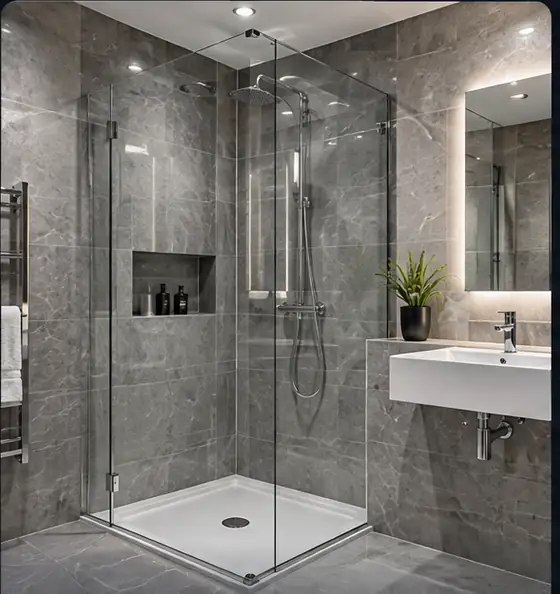
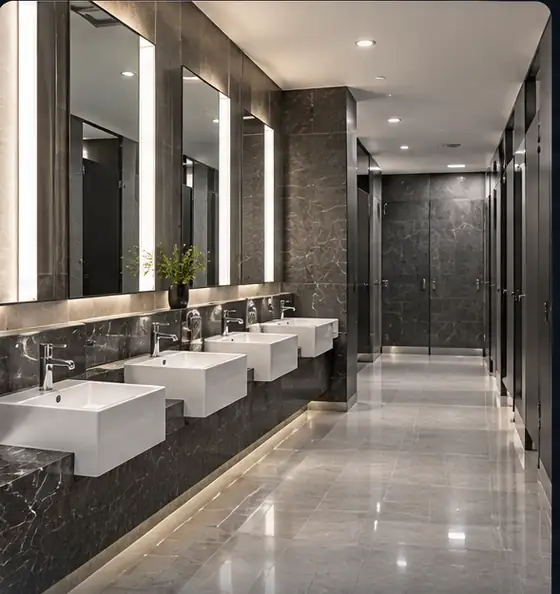
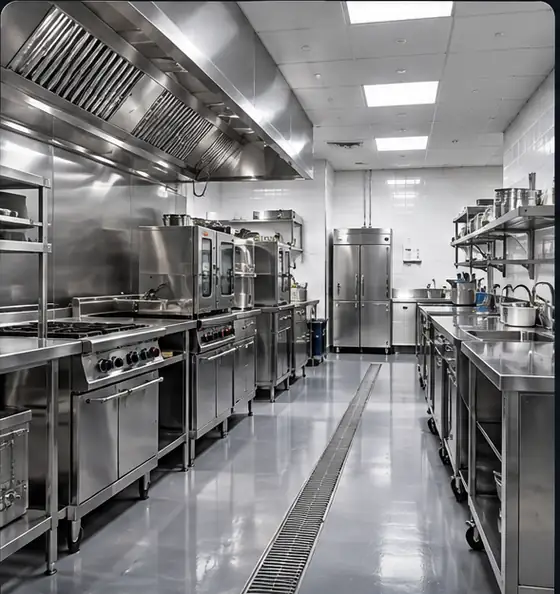
Restaurants, offices and complexes, not only homes.
Common questions
Need someone now? The emergency line is open any hour.
+965 9668 4964
Yes, we request utility companies to mark line routes on site. We also use a handheld detector to trace metal pipes and acoustic devices to locate plastic lines before any excavation opens.
We install submersible pumps and large drainage lines to remove water quickly. Once dry, the pit base is prepared carefully before concrete work and sealing start, ensuring no future tank leakage.