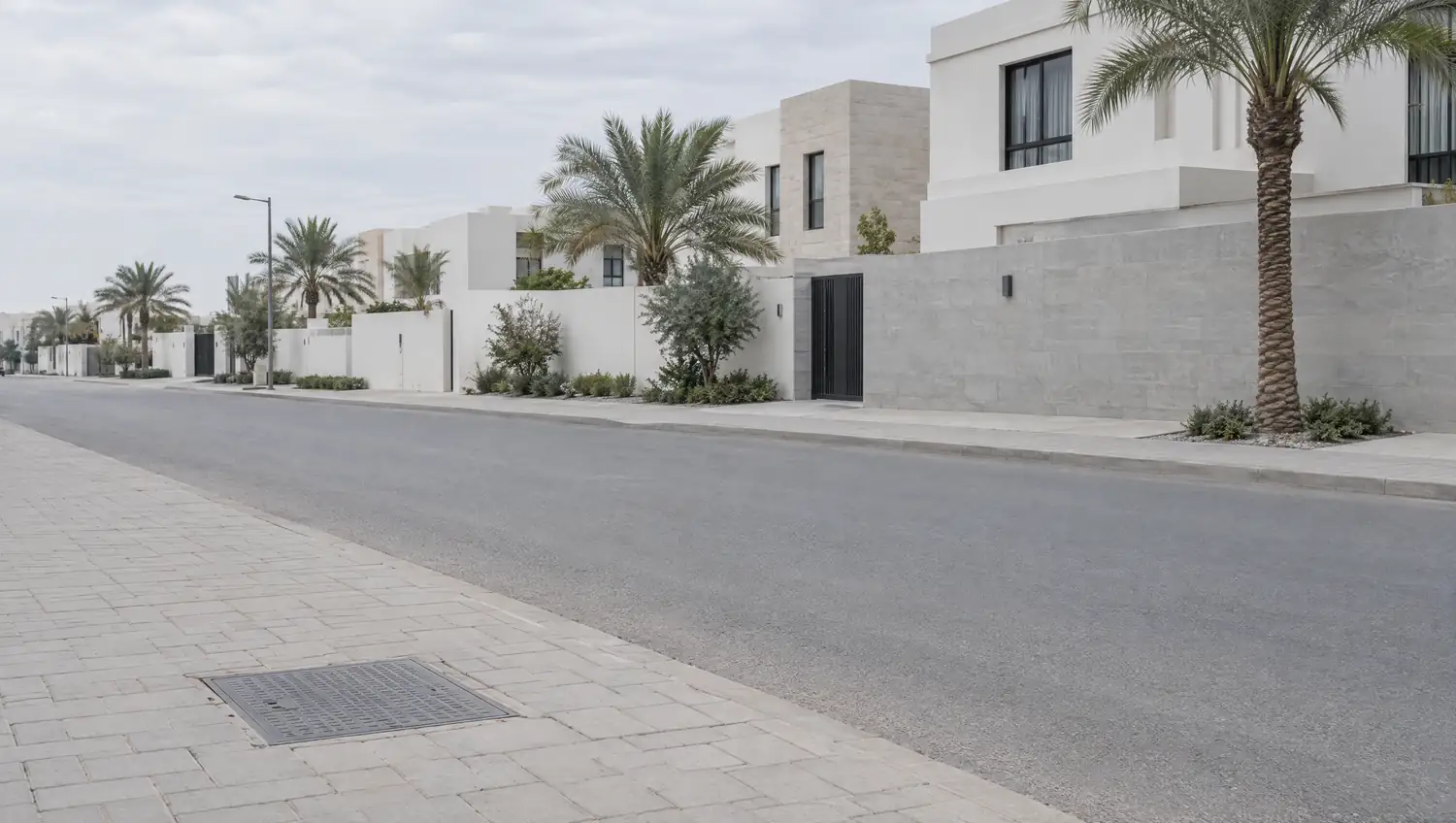
Site and depth planning
Position and depth chosen to suit the transfer pump and surface loads
Farwaniya
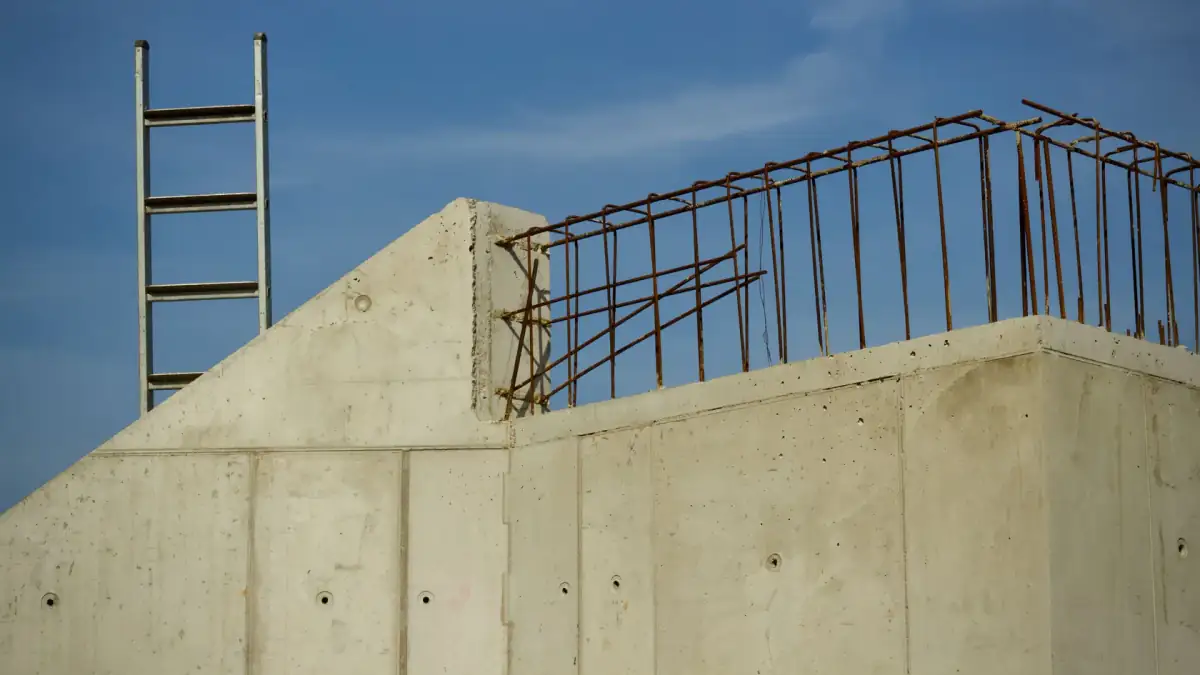
Underground tank construction in Rabiya starts with checking ground level, assessing water table depth and confirming natural drainage slope. We excavate the pit to specifications and build the tank walls from reinforced concrete cast to uniform thickness. We seal the top with bitumen and polymer layers to block groundwater seepage and rising damp. Then the completed tank is pressure-tested before final supply and waste connections.
Rabiya houses range in age from older to mid-life, and many have corroded underground tanks leaking water into the soil beneath them. The old tank sits close to the building structure with shallow foundations, so new excavation must respect house footings and underground pipework. We remove the failed tank carefully then dig deeper for a larger, stronger replacement. After construction and sealing, every joint is tested by pump pressure and checked for any subsurface seepage.
Rabiya lies in Farwaniya governorate, where older residential homes cluster and depend on buried tanks for greywater and sewage.
The finished tank is not filled for three days after casting, because concrete needs time to reach full strength.
Position and depth chosen to suit the transfer pump and surface loads
Base and walls built to carry soil pressure and full water load
Internal and external coating layers that block water movement in both directions
Inlet and outlet openings sealed with rubber collars to prevent pipe-joint leaks
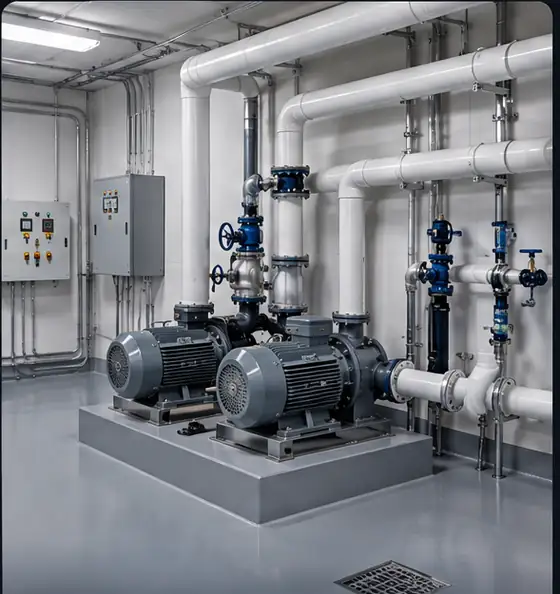
Transfer pump and water-level float wired and adjusted for correct operation
Tank filled and water level watched to confirm zero leakage before backfilling
How we work

Tell us what is happening and where, and the right equipment is loaded before we arrive.
We film the line from inside and know the kind of blockage and its exact place. No guessing.
High pressure water, a machine or a drain snake, whichever the line actually needs.
The camera runs a second pass and you see the line clear with your own eyes before we leave.
Same method, same equipment. Only the size of the job changes.
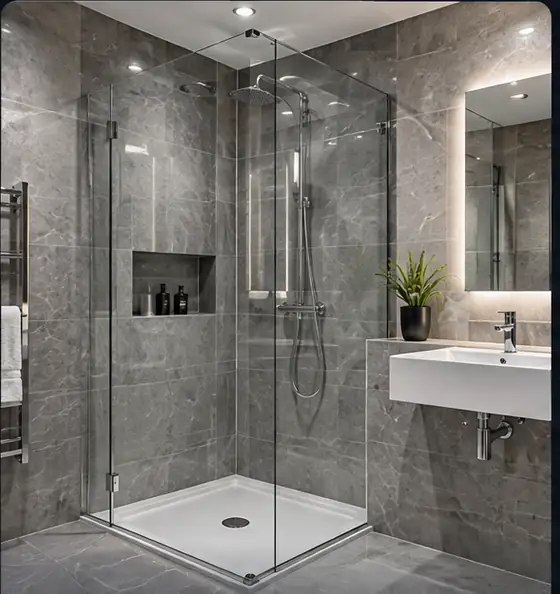
Why us
Amana means trust. Someone else's home is not ours to be careless in.
Do not take our word for it. Look at the line yourself.
Breaking is the last resort, never the first step.
A blocked line does not wait for the morning.
Six governorates, 139 areas.
For buildings and complexes, servicing before the problem starts.
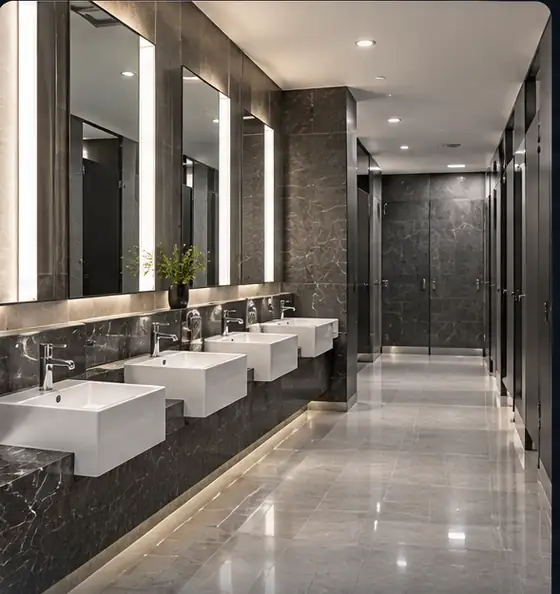
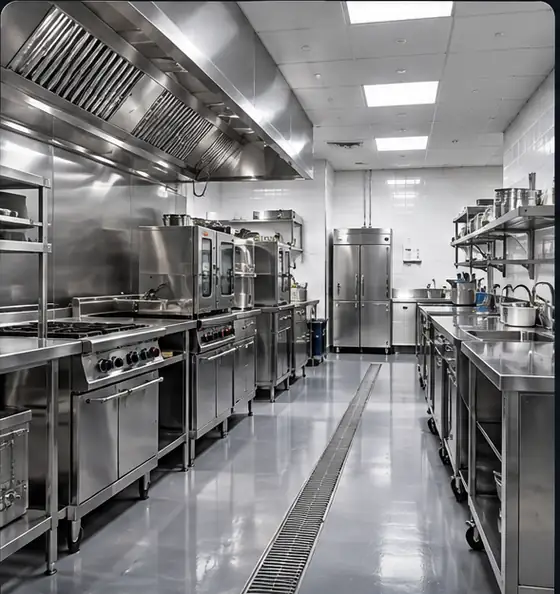
Restaurants, offices and complexes, not only homes.
Common questions
Need someone now? The emergency line is open any hour.
+965 9668 4964
Not always. If the old site is too close to the building foundation or fresh water lines, we recommend shifting it to a safe distance. The natural drainage slope on your land allows flexibility in positioning.
Excavation and construction takes three days, then we wait three days for concrete to cure and harden fully. Sealing, piping and pressure testing follow over the next two days.