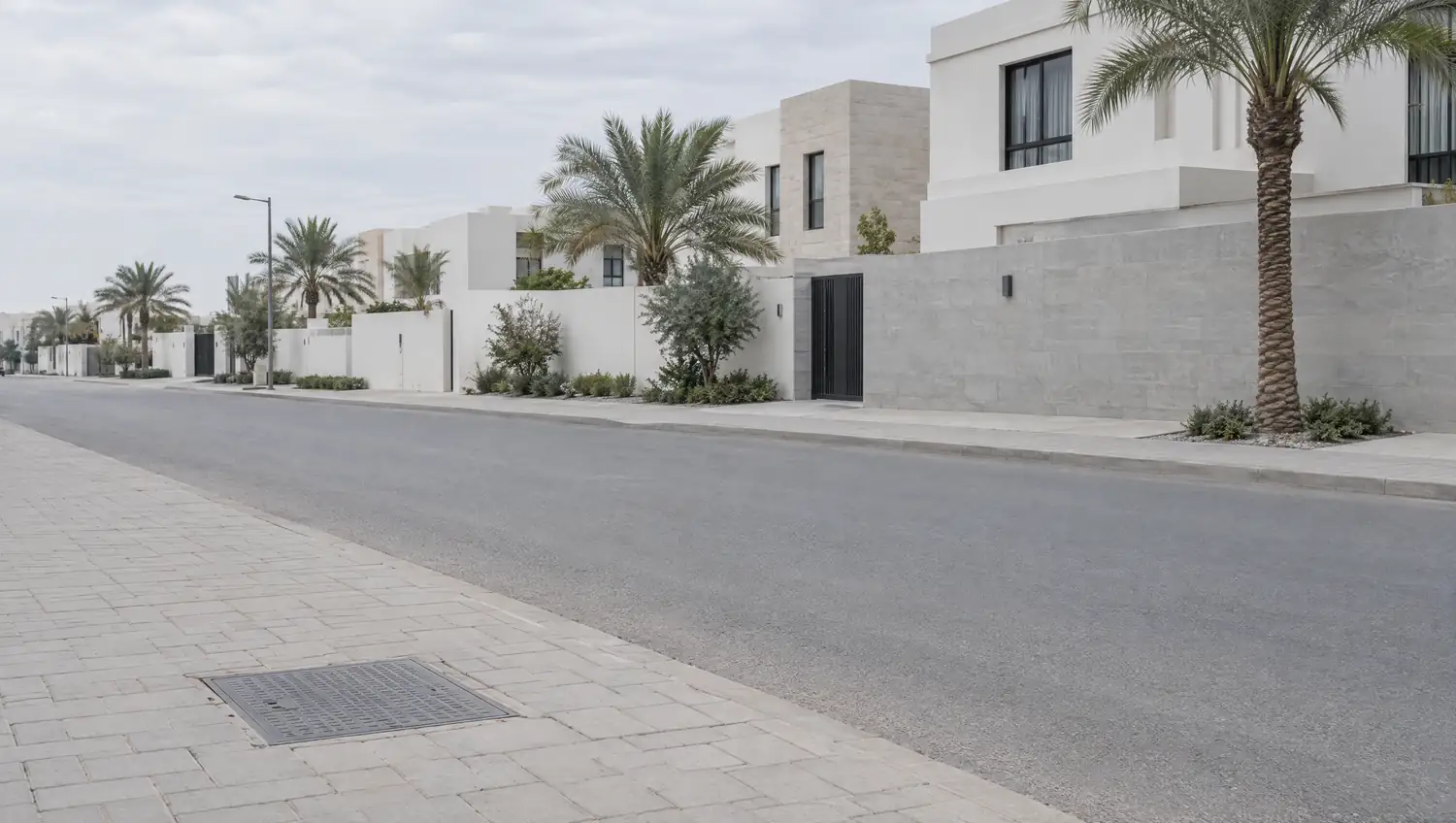
Site and depth planning
Position and depth chosen to suit the transfer pump and surface loads
Capital
Building an underground tank in Mirqab starts by understanding the mixed soil of sand, gravel and clay that requires extra reinforcement. We excavate to firm ground, set a concrete shell reinforced with dense steel mesh, apply strong waterproofing and pressure-test with water before handing over.
The dense residential zone in Mirqab near the Grand Mosque and Central Market holds old houses and new towers that all need solid tanks. The soil here is known for changing layers, with fine sand in the first meter then gravel mixed with clay in the second. Before pouring we remove all weak soil, lay a compacted gravel base and cast concrete directly on top.
Mirqab lies in Kuwait governorate near the Central Market and Grand Mosque, a long-established residential area with mixed building types.
We test-fill the tank gradually over eight hours then monitor the level for a full day because slow drops signal micro-leaks in walls.
Position and depth chosen to suit the transfer pump and surface loads
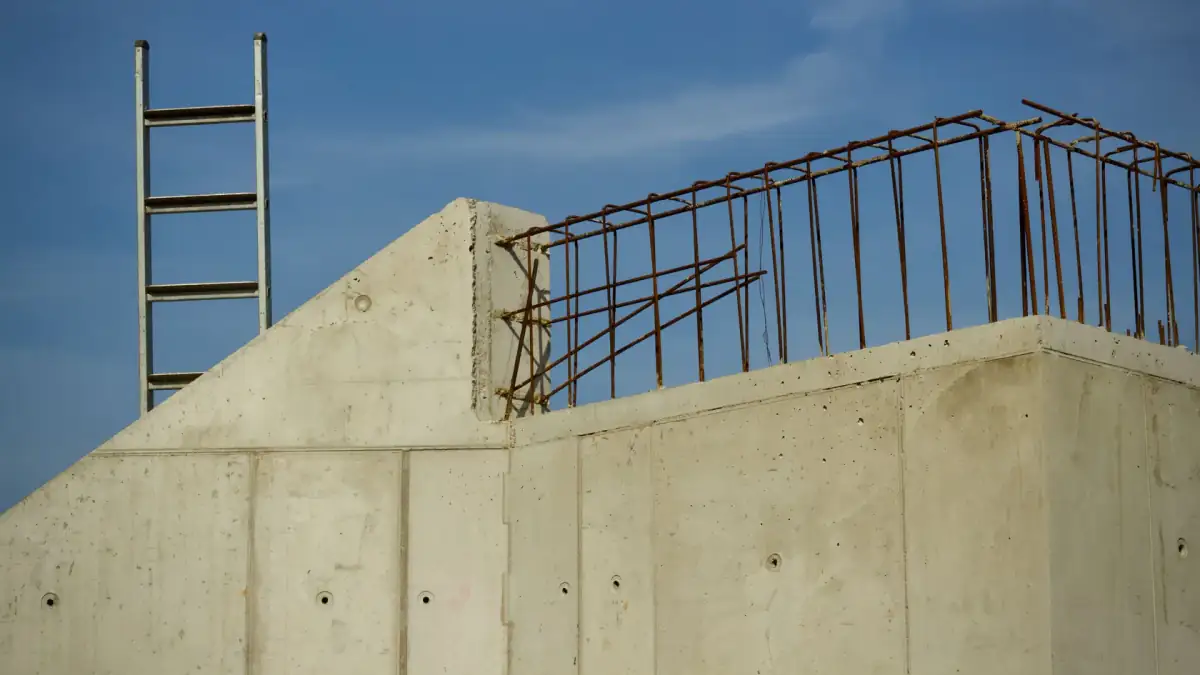
Base and walls built to carry soil pressure and full water load
Internal and external coating layers that block water movement in both directions
Inlet and outlet openings sealed with rubber collars to prevent pipe-joint leaks
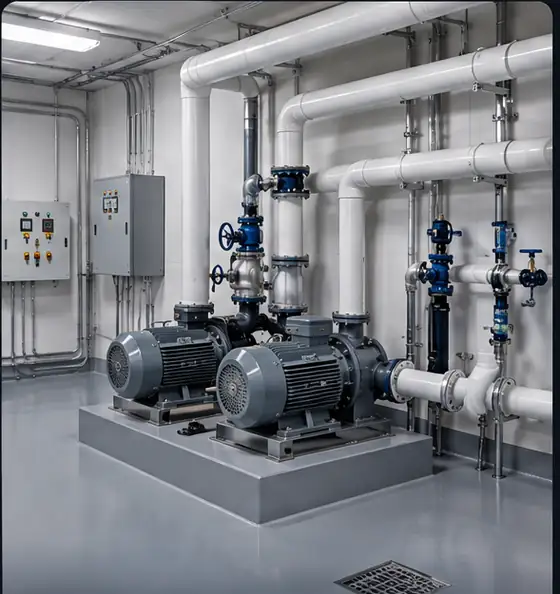
Transfer pump and water-level float wired and adjusted for correct operation
Tank filled and water level watched to confirm zero leakage before backfilling
How we work

Tell us what is happening and where, and the right equipment is loaded before we arrive.
We film the line from inside and know the kind of blockage and its exact place. No guessing.
High pressure water, a machine or a drain snake, whichever the line actually needs.
The camera runs a second pass and you see the line clear with your own eyes before we leave.
Same method, same equipment. Only the size of the job changes.
Why us
Amana means trust. Someone else's home is not ours to be careless in.
Do not take our word for it. Look at the line yourself.
Breaking is the last resort, never the first step.
A blocked line does not wait for the morning.
Six governorates, 139 areas.
For buildings and complexes, servicing before the problem starts.
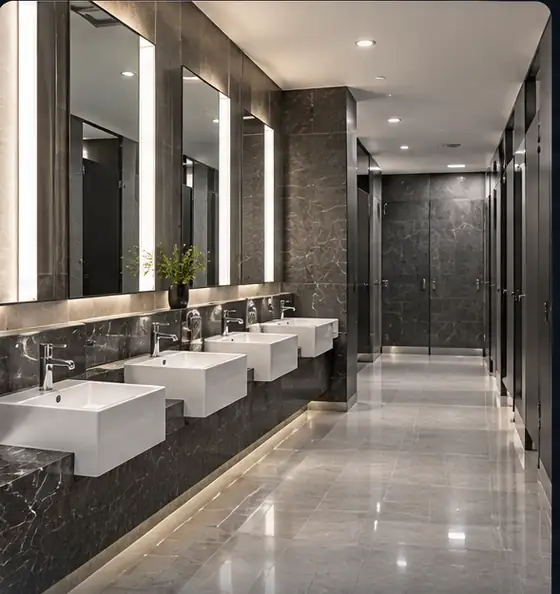
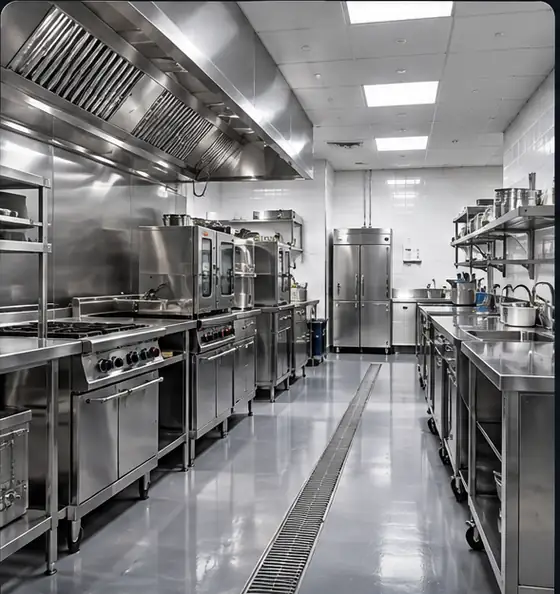
Restaurants, offices and complexes, not only homes.
Common questions
Need someone now? The emergency line is open any hour.
+965 9668 4964
We carefully break through it with heavy equipment until we reach firm gravel beneath. Hard clay alone may not be stable enough, so we continue digging to ensure permanent bearing.
Yes, we measure distance from neighbor foundations and keep the tank at least one-and-a-half meters away. We leave this gap uncompacted to avoid any pressure on their old footings.