Drain and inspect
Full drainage and recorded condition check before any cleaning begins
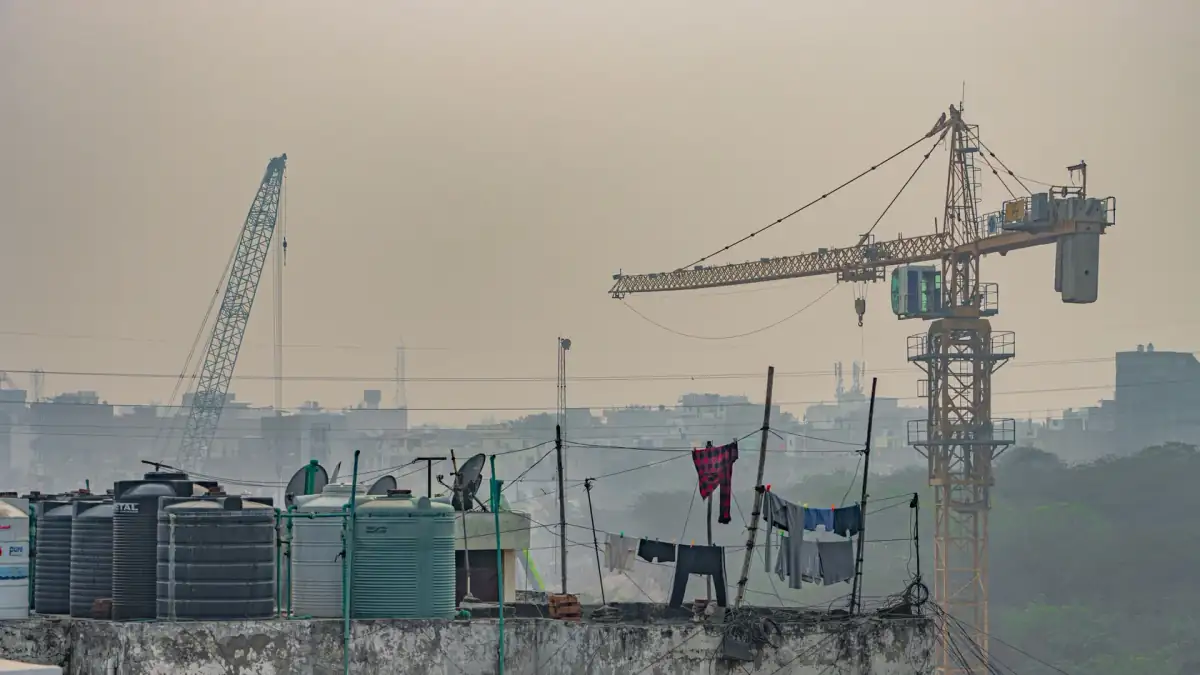
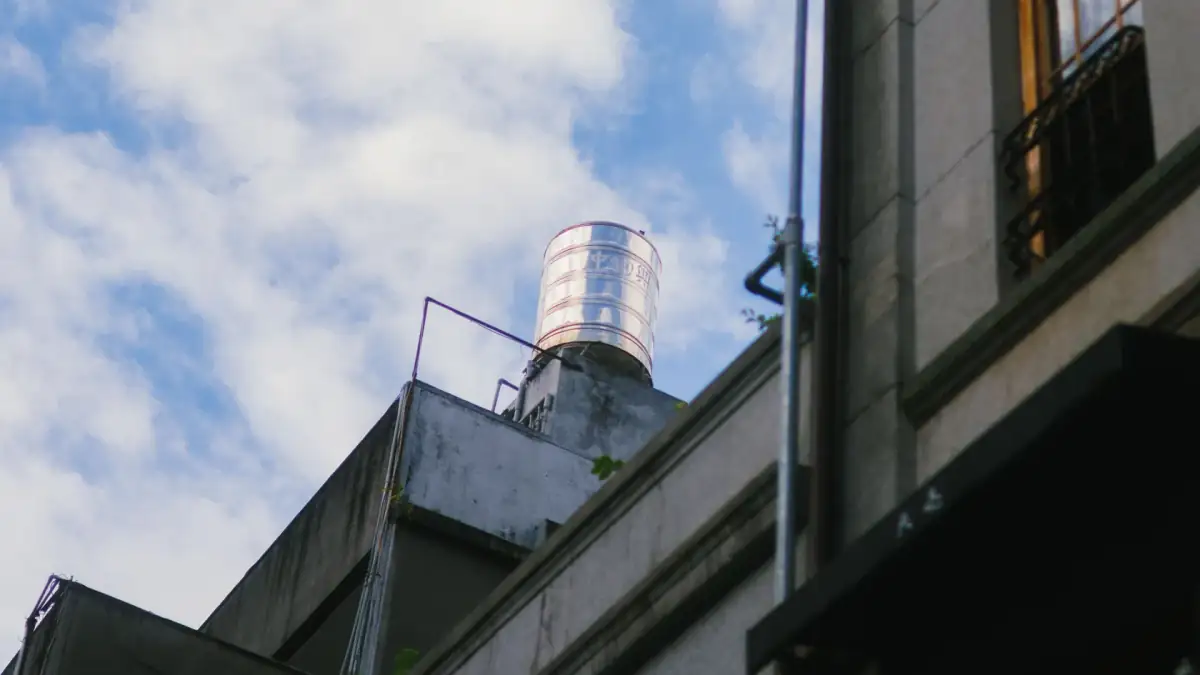
Draining and scrubbing the roof tank through to disinfection and a confirmed camera check
Full drainage and recorded condition check before any cleaning begins
Manual removal of scale and algae from all internal surfaces
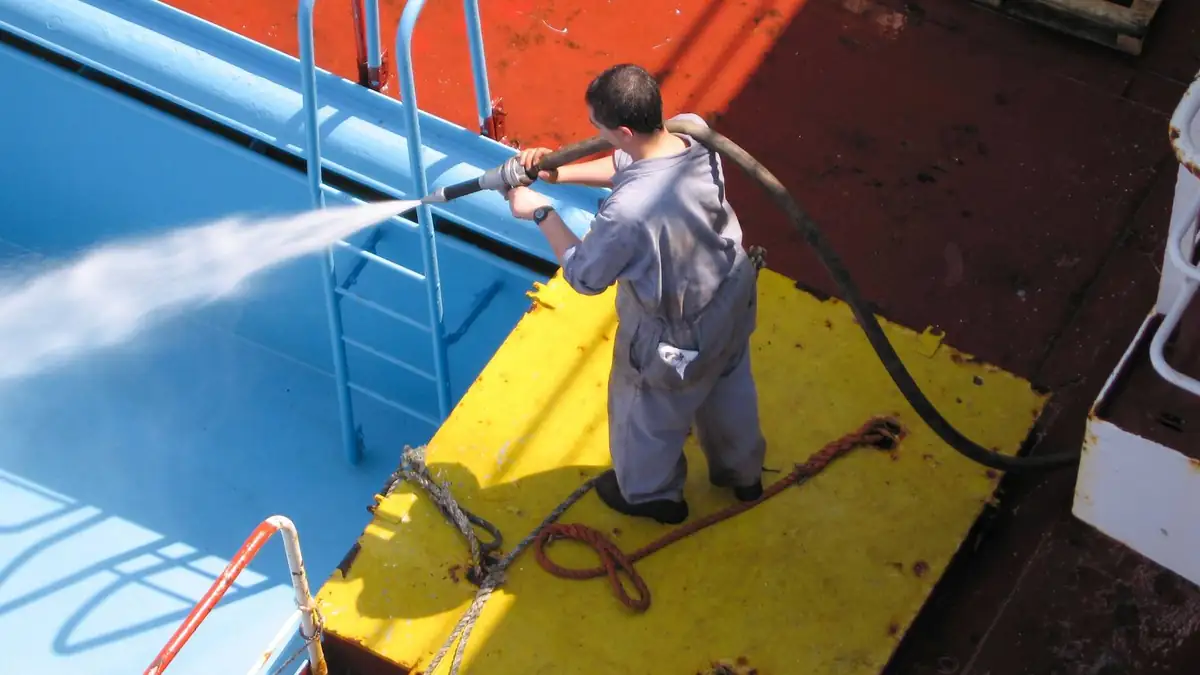
Pressurised water flush to dislodge residual scale from walls and floor
Industrial suction pump removes wash water and loosened debris completely
Approved disinfectant applied to walls, floor and hatch before refilling
Internal camera footage after work confirms clean walls to the customer
Describe the tank and its approximate size to book a visit
Tank is emptied and its internal condition filmed before work starts
Manual scraping then high-pressure wash covers every internal surface
All wash water is extracted, then approved disinfectant is applied throughout
Closing camera inspection shown to customer before the tank is refilled
A musty or earthy smell when a tap opens points to bacterial growth inside the tank
A dark layer visible at the tank base when the hatch is opened means sediment has built up
Faint yellow or brown water at first morning flow comes from rust or scale inside the tank
Even with no visible sign, scale and biofilm build up steadily between cleaning visits
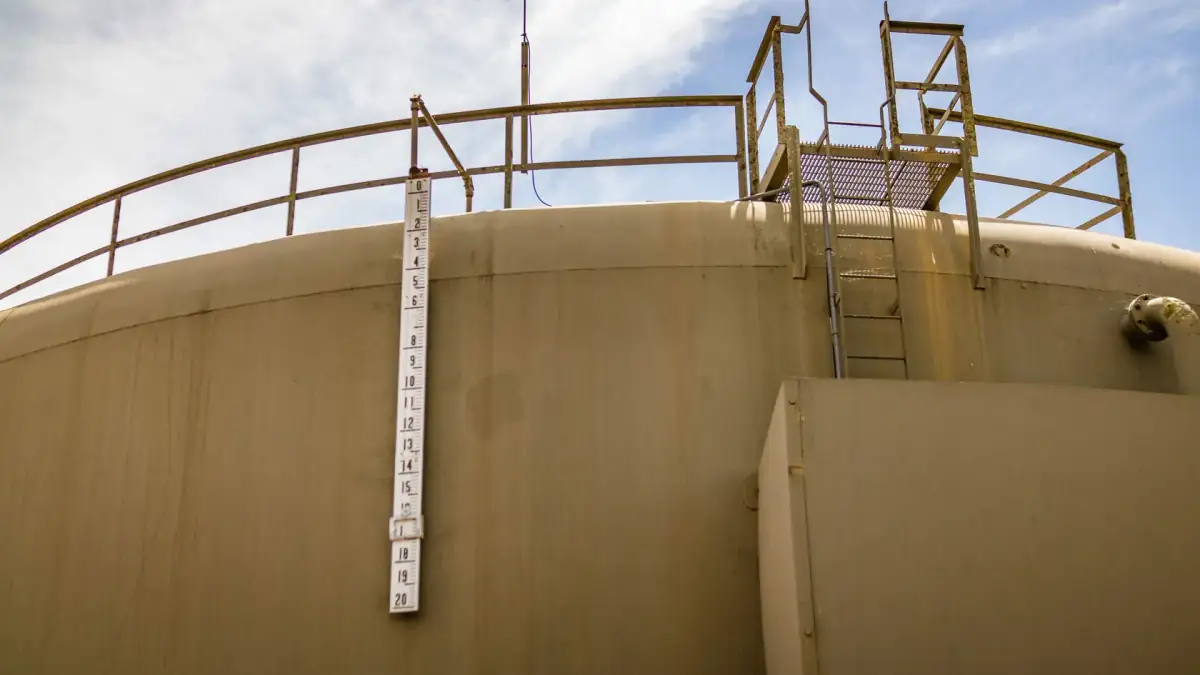
Knowing the tank's litre or gallon capacity helps size the job and bring the right pump
Confirm the roof hatch or ladder is usable so the team can reach the tank without delay
Know where the inlet isolation valve is so supply can be cut at the right point
Cleaning briefly halts supply, so plan a time when water use in the unit can be reduced
Part of Tank cleaning and waterproofing · All services · Back to the home page
No fixed rate applies because tank size, soiling level and roof access each affect the final quote
Larger tanks need more time, water and disinfectant to complete properly
Heavy scale or algae coating requires extra manual scraping before the pressure wash
A narrow hatch or awkward roof position adds time and effort to the job
Concrete tanks need different tools and methods compared to plastic or fibreglass ones
Urgent calls outside standard hours may carry a different rate
Same method, same equipment. Only the size of the job changes.
Why us
Amana means trust. Someone else’s home is not ours to be careless in.
Do not take our word for it. Look at the work yourself.
The leak is marked before a single tile comes up.
A leak does not wait for the morning.
Six governorates, 139 areas.
For buildings and complexes, servicing before the problem starts.
Restaurants, offices and complexes, not only homes.
Six governorates, 139 areas.
Common questions
Need someone now? The emergency line is open any hour.
+965 9668 4964
Cleaning requires a full drain, which briefly stops supply to connected units. We coordinate the timing in advance to minimise disruption and complete the work as quickly as the tank condition allows.
Yes. Direct sun heats an uninsulated roof tank enough to accelerate bacterial and algae growth. Exposed tanks may need cleaning more regularly than shaded or insulated ones.
Cleaning and disinfection are sufficient when the internal surfaces are intact. If the camera check reveals cracking or surface erosion, an epoxy lining is recommended as a separate follow-up job.
Higher temperatures in a roof tank speed up mineral precipitation from hard water, so scale tends to build up faster than in a cooler underground tank. Both still need periodic cleaning.
Yes. When tanks are on the same roof or closely grouped, we clean them in a single visit, coordinating the sequence to limit the time each unit is without supply.