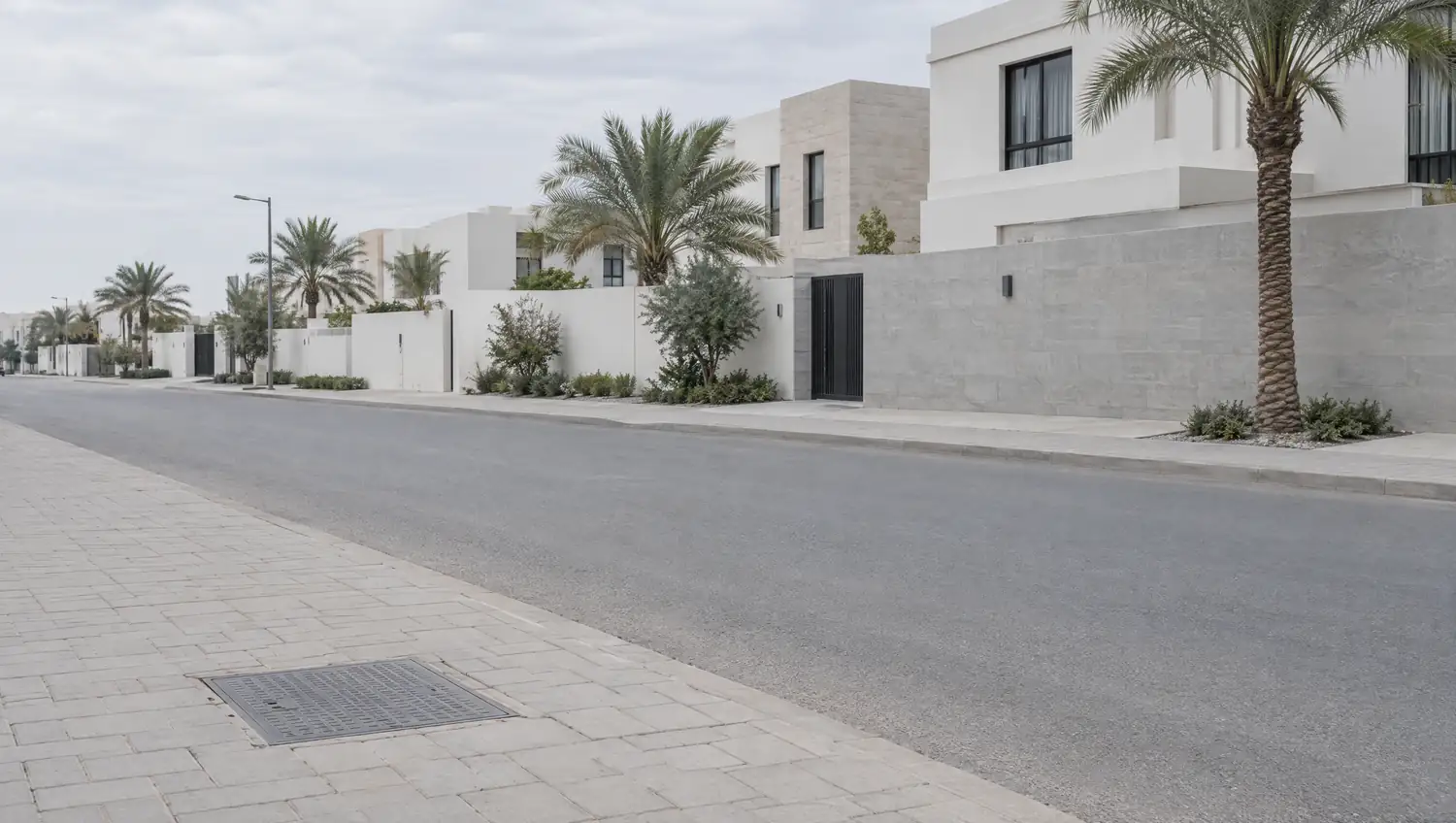
Inspection and mapping
Internal camera maps every crack and spalled area before work starts
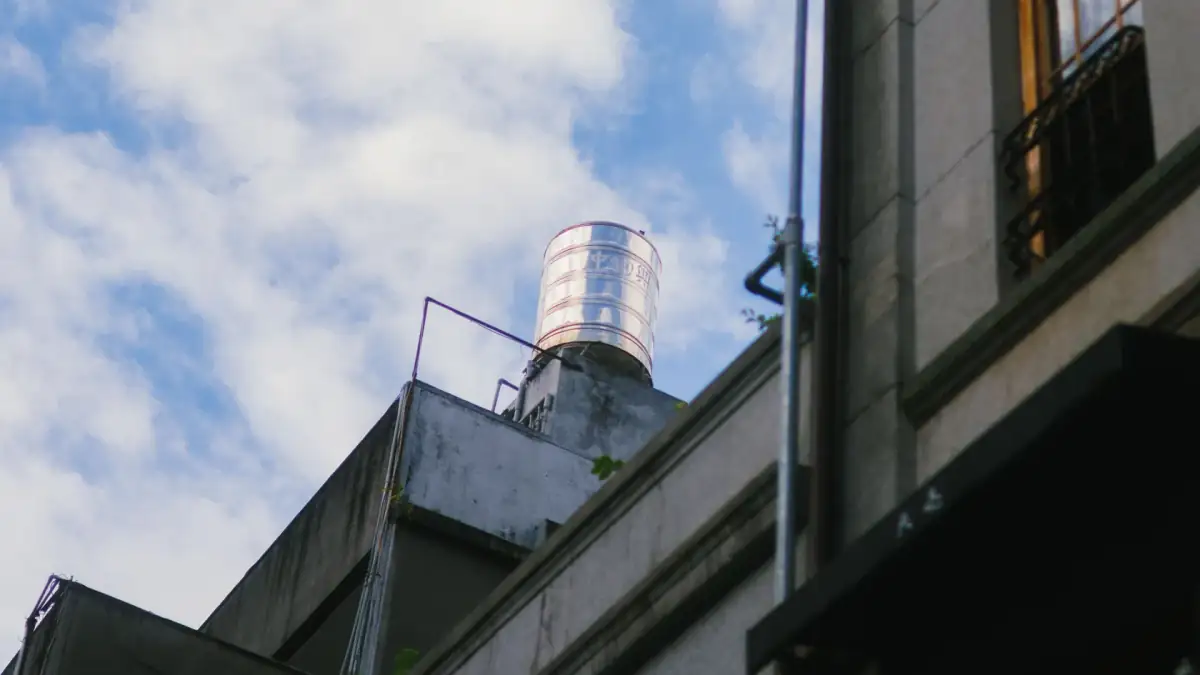
Tank cleaning and waterproofing
Crack repair, surface levelling, hydraulic filling, and a rated coat applied only to properly dried, prepared walls
Structural repair and protective lining from initial inspection to safe return to service
Internal camera maps every crack and spalled area before work starts
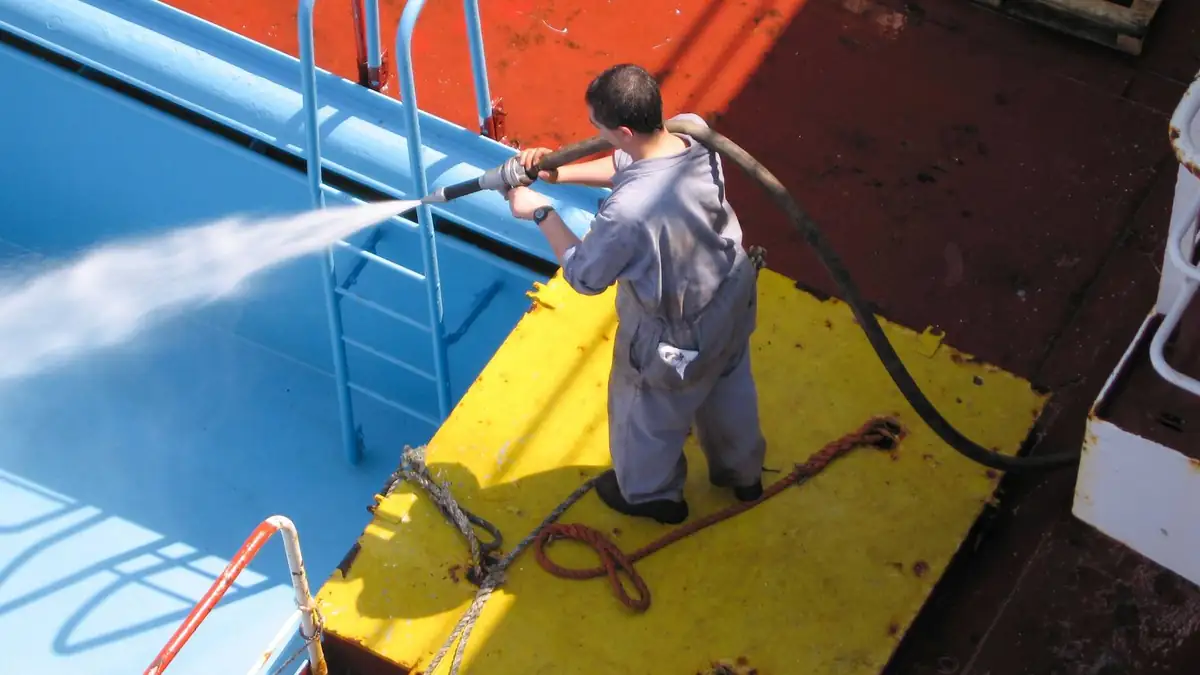
All scale, efflorescence and loose material removed before any filler is applied
Hydraulic mortar seals active and dry cracks in concrete walls and floor
Repair render restores corroded or pitted wall surfaces to a uniform face
Drinking-water rated coating applied over fully cured and prepared surfaces only
Camera confirms coating integrity and joint sealing before the tank refills
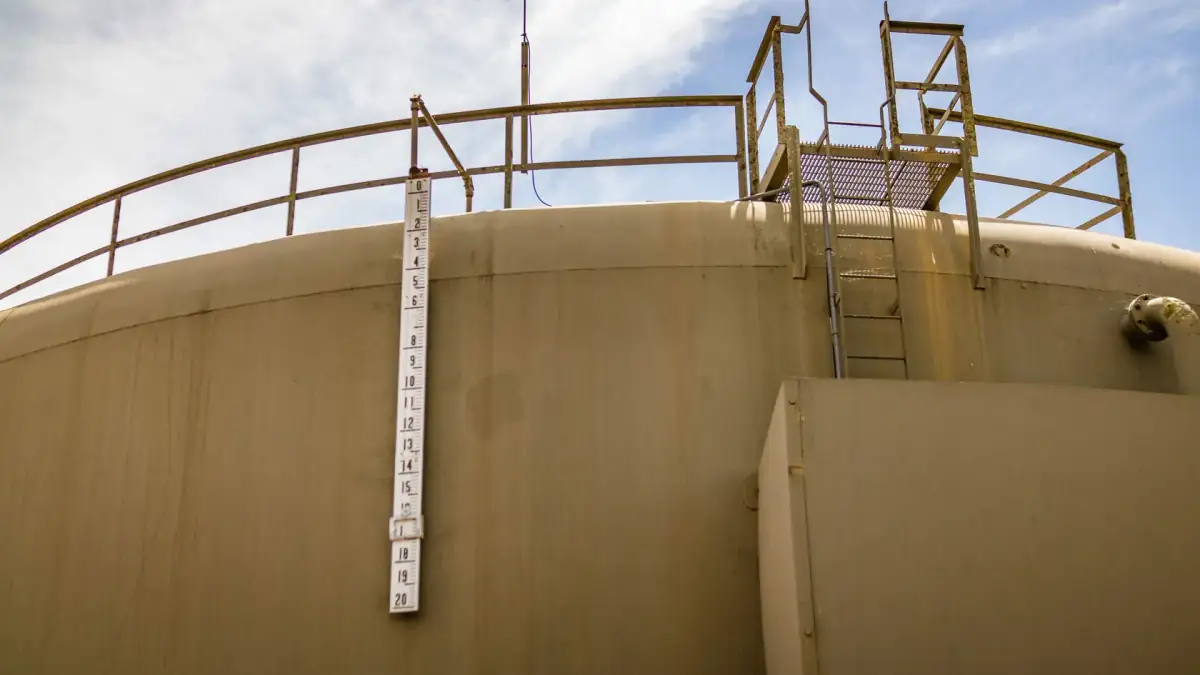
Describe the tank, its location and the visible damage
Internal camera documents all cracks and surface faults before work begins
Cracks filled and eroded surfaces levelled with correct repair materials
Protective coat applied only after surfaces have dried sufficiently
Camera confirms quality; result documented and shown to the building owner
Expands as it sets, sealing the crack from within even against minor seeping water
Bonds to old concrete and rebuilds eroded or pitted faces into a flat, durable layer
Two-component water-based product approved for direct contact with drinking water, applied in 2 coats
Pre-work filming defines damage scope; post-work filming confirms every repaired area is sound
Is it concrete or blockwork, and has it been repaired or coated at any earlier time?
Photograph cracks, damp patches or spalling inside the tank before calling if possible
Restoration needs the tank fully empty and dry; decide when that outage suits you
If the building has more than one tank, tell us so we can plan time and material quantities
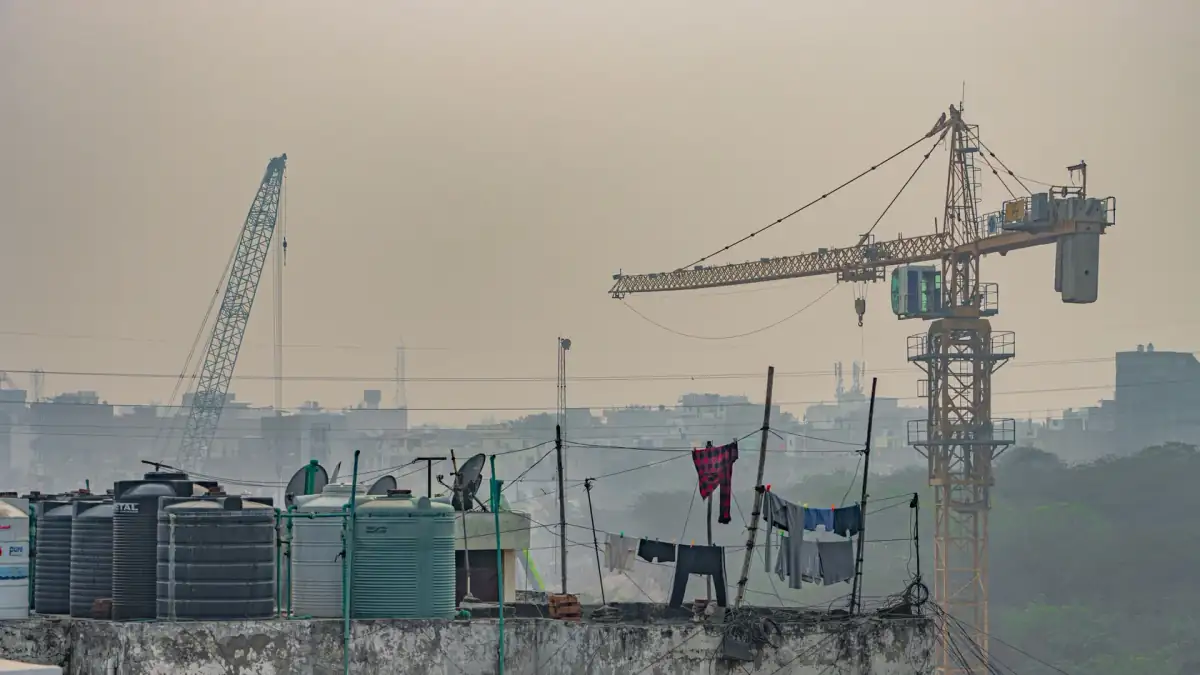
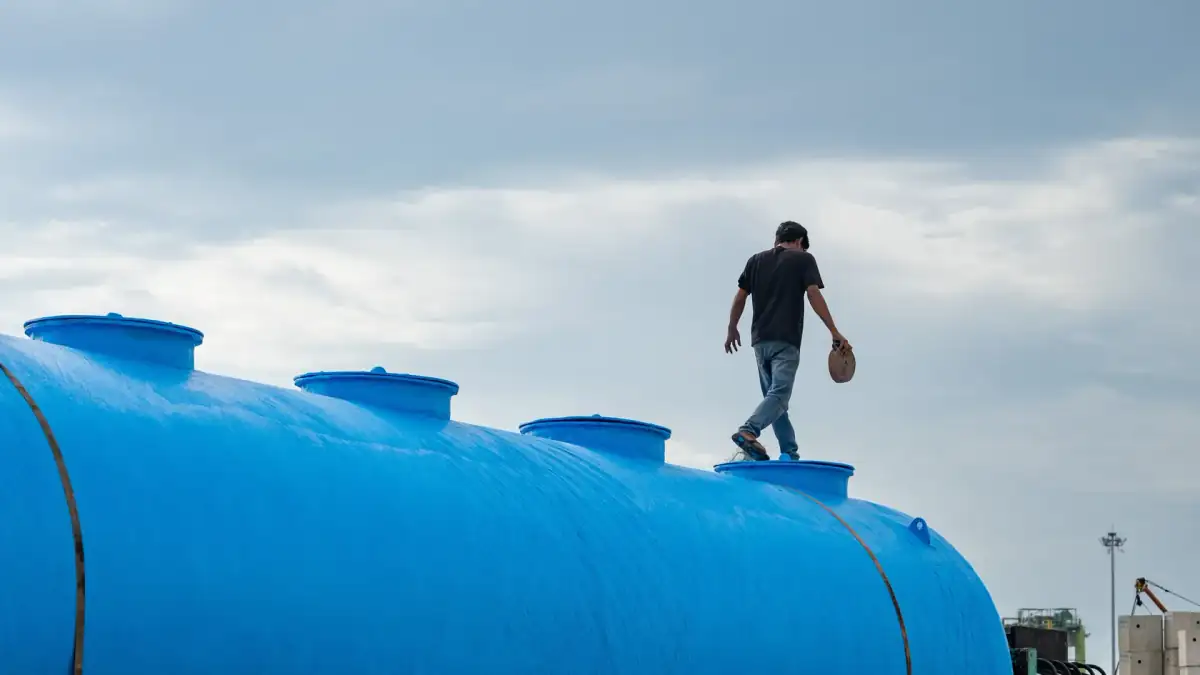
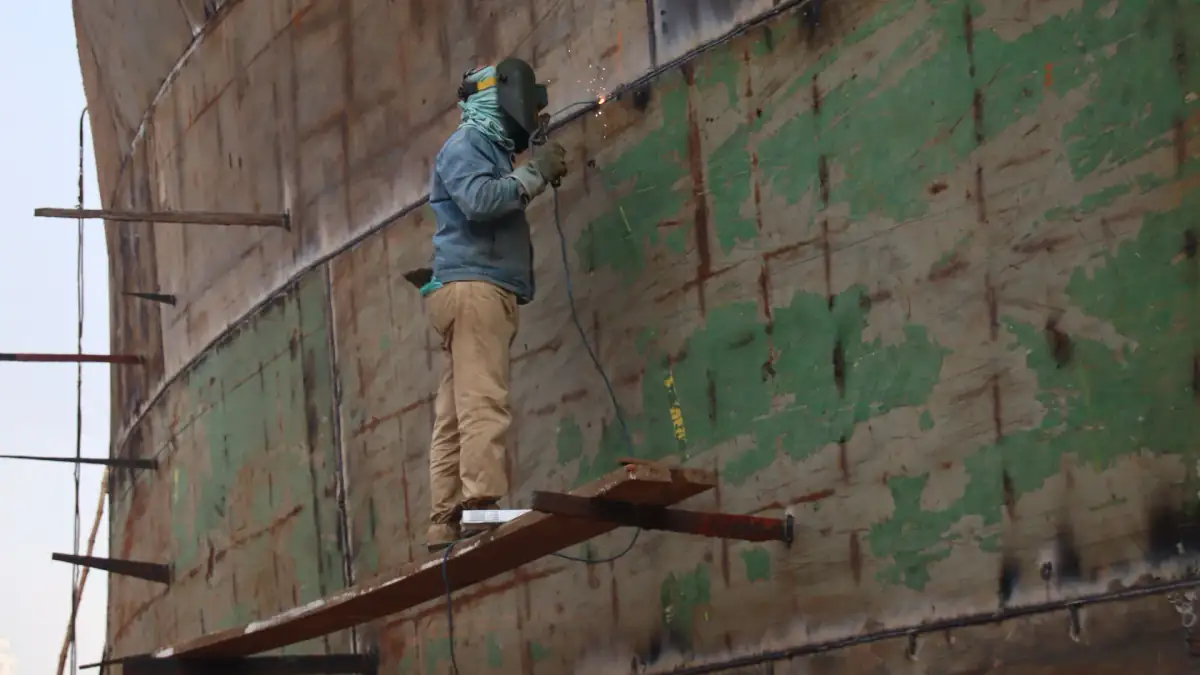
Part of Tank cleaning and waterproofing · All services · Back to the home page
No fixed rate applies; these factors together determine what a quote will come to
Total internal surface area drives material quantities and labour time directly
Number, depth and spread of cracks and eroded areas raises or lowers the scope
A tank needing filler, render and coating costs more than one needing a coat alone
High roof tanks or those with narrow hatches take longer to work inside safely
Emergency calls outside normal hours affect the overall cost of the assignment
Same method, same equipment. Only the size of the job changes.
Why us
Amana means trust. Someone else’s home is not ours to be careless in.
Do not take our word for it. Look at the work yourself.
The leak is marked before a single tile comes up.
A leak does not wait for the morning.
Six governorates, 139 areas.
For buildings and complexes, servicing before the problem starts.
Restaurants, offices and complexes, not only homes.
Six governorates, 139 areas.
Common questions
Need someone now? The emergency line is open any hour.
+965 9668 4964
Restoration is usually possible when the outer structure is sound. The internal camera determines whether cracks are surface-level or structural, and that finding decides whether repair is enough or replacement is needed.
Restoration addresses structural damage first: filling cracks and rebuilding eroded surfaces. Epoxy lining is a protective step that follows, or is used on structurally sound tanks. A cracked tank should not be coated without prior repair.
Salt efflorescence signals water moving through the concrete. It does not always mean cracks exist, but it warrants a camera check. If active cracks lie behind it, restoration is needed before any coating is applied.
It depends on the materials used, ventilation conditions and internal temperature. The team specifies the correct wait time at the end of the visit; the tank is not refilled before the post-work camera confirms the work is complete.
Yes in most cases. All restoration work is carried out from inside through the access hatch. Breaking surrounding tiles is only considered if inspection confirms a structural fault in the outer tank wall itself.