Underground tank cleaning
Removing sediment, algae and buildup from walls and floor
Plumbing and sanitary works
Scale, sediment and cracks removed or sealed with drinking-water-safe materials, confirmed by camera before and after every job.
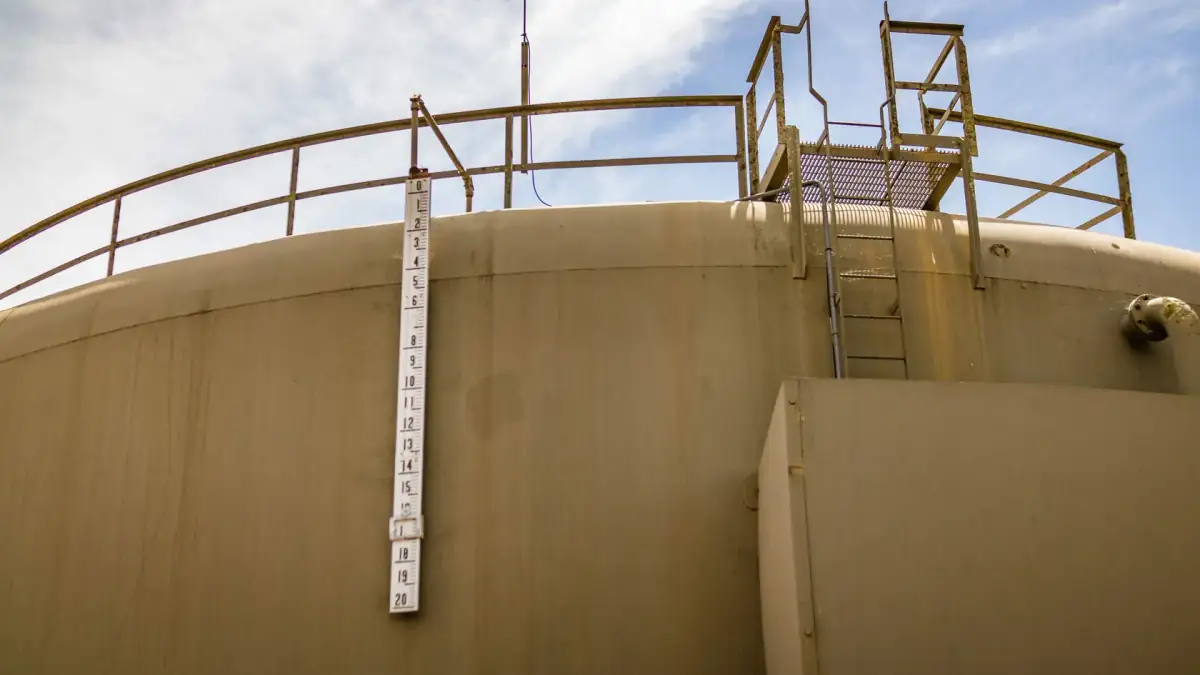
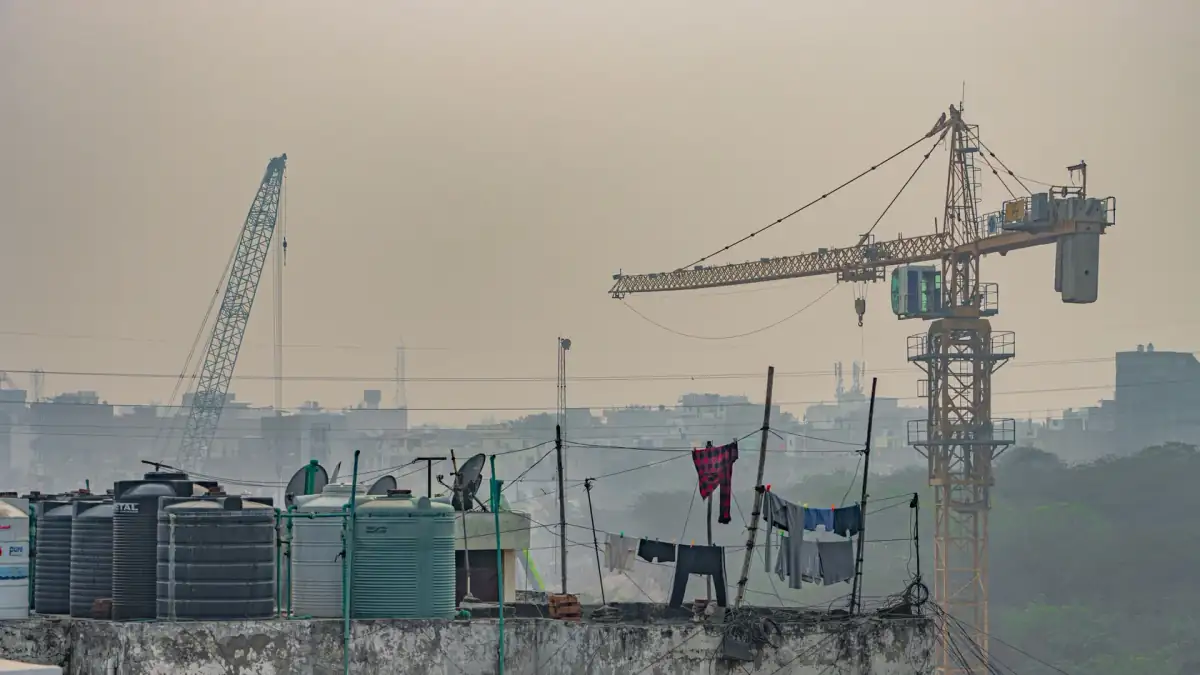
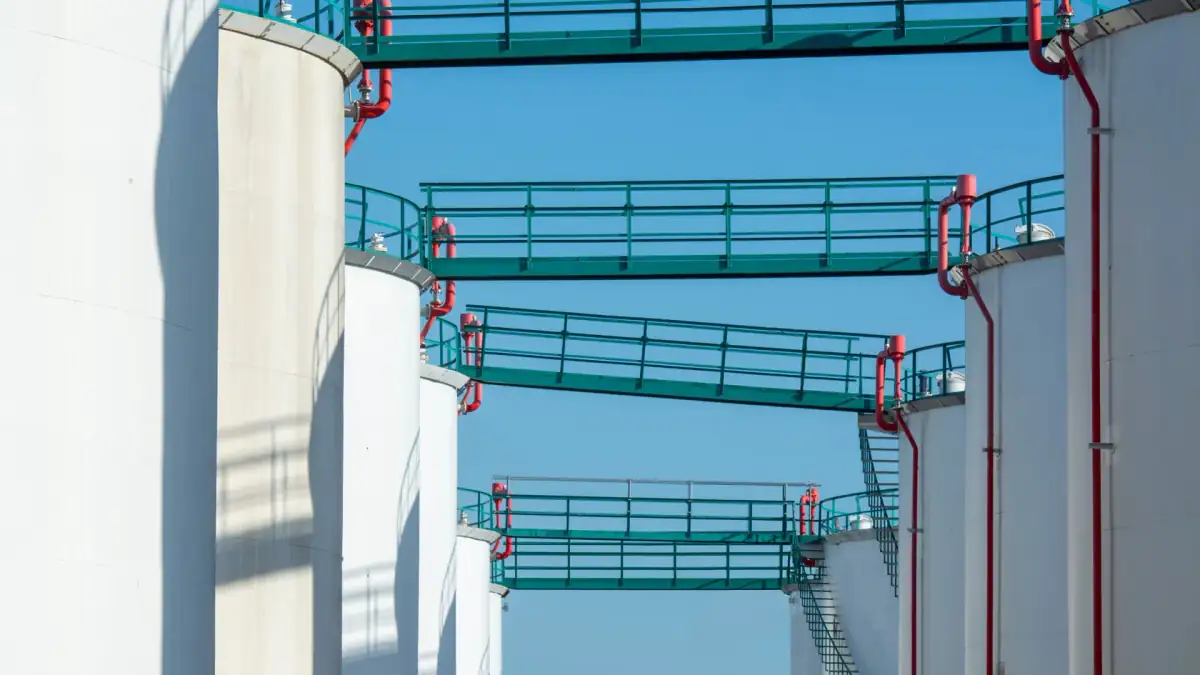
Cleaning and waterproofing every tank type, ground level or roof, across Kuwait
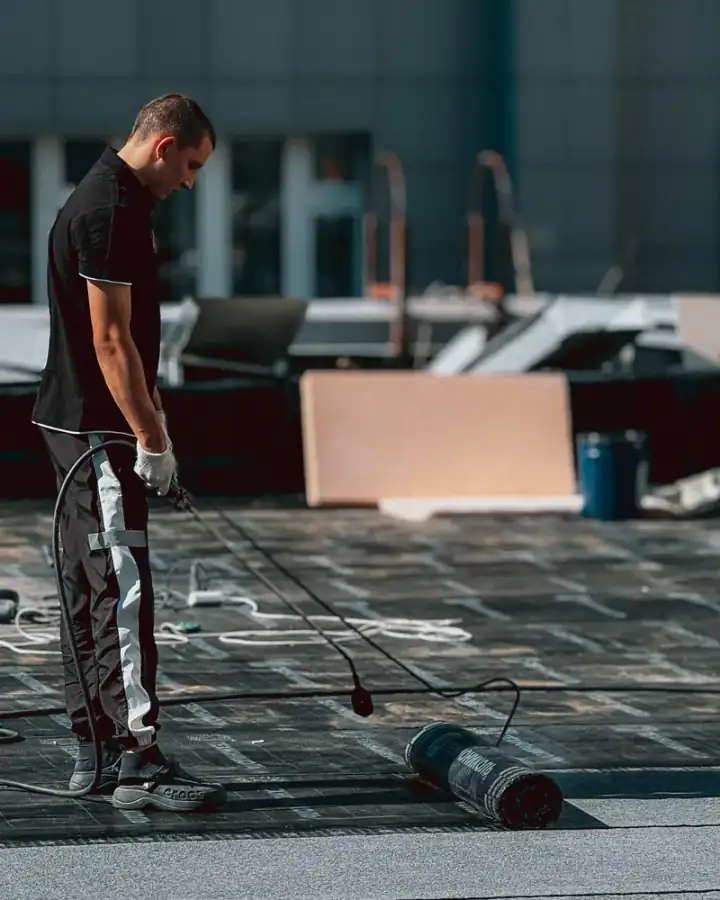
Removing sediment, algae and buildup from walls and floor
Cleaning tanks exposed to heat and heavy mineral deposits
Safe epoxy coat that seals the surface and prevents contamination
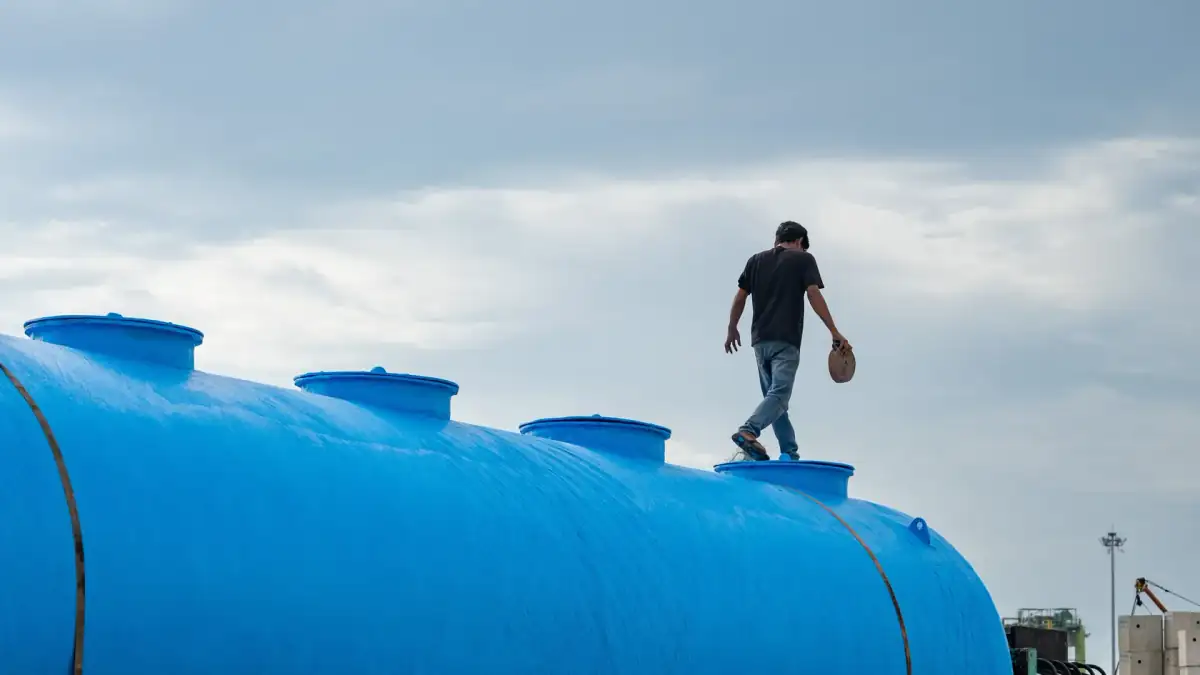
Patching cracks and relining degraded fibreglass tank walls
Closing fractures and openings in steel or polyethylene tanks
Full clean, repair and waterproof seal in one organised visit
Describe the tank type, size and when it was last cleaned
Internal camera records sediment, cracks and wall condition before work
Pressure wash and full vacuum until surfaces are completely dry
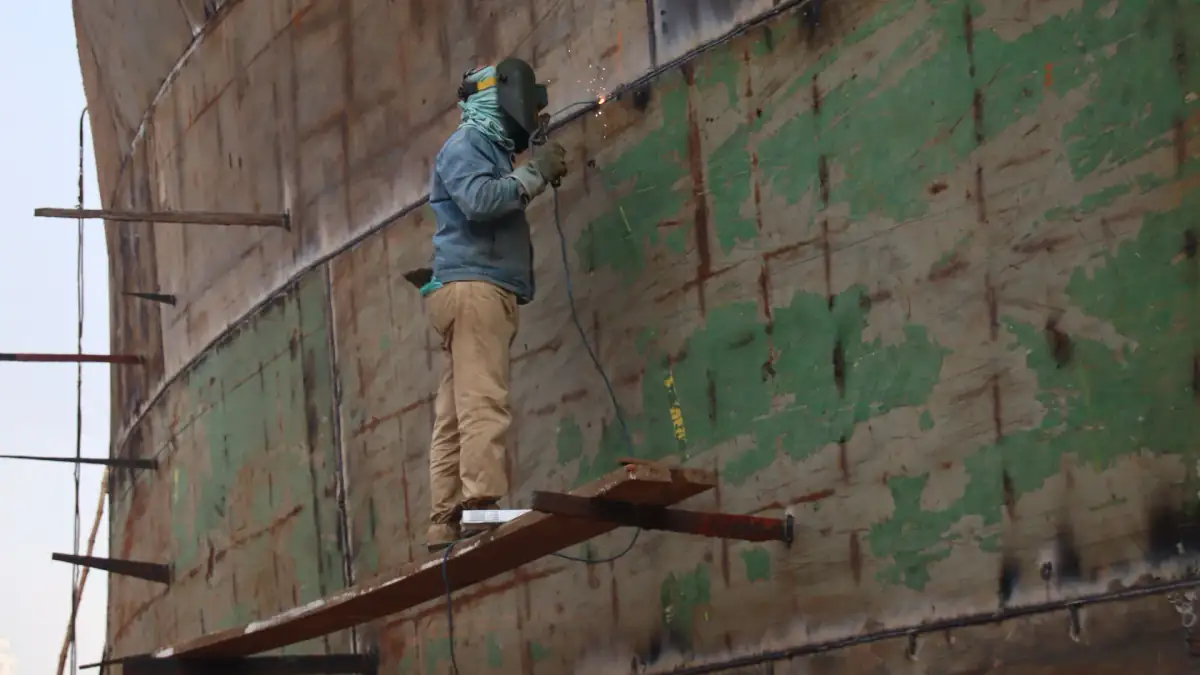
Epoxy lining, fibreglass laminate or welding applied as the condition requires
Second camera shown beside the opening footage so you see the result
Epoxy rated for potable water contact, sealing pores and protecting concrete from scale and rust
Glass-fibre mat layers saturated with resin, restoring rigidity to a cracked or degraded tank wall
Films the tank floor and walls before and after work so the customer sees the result directly on screen
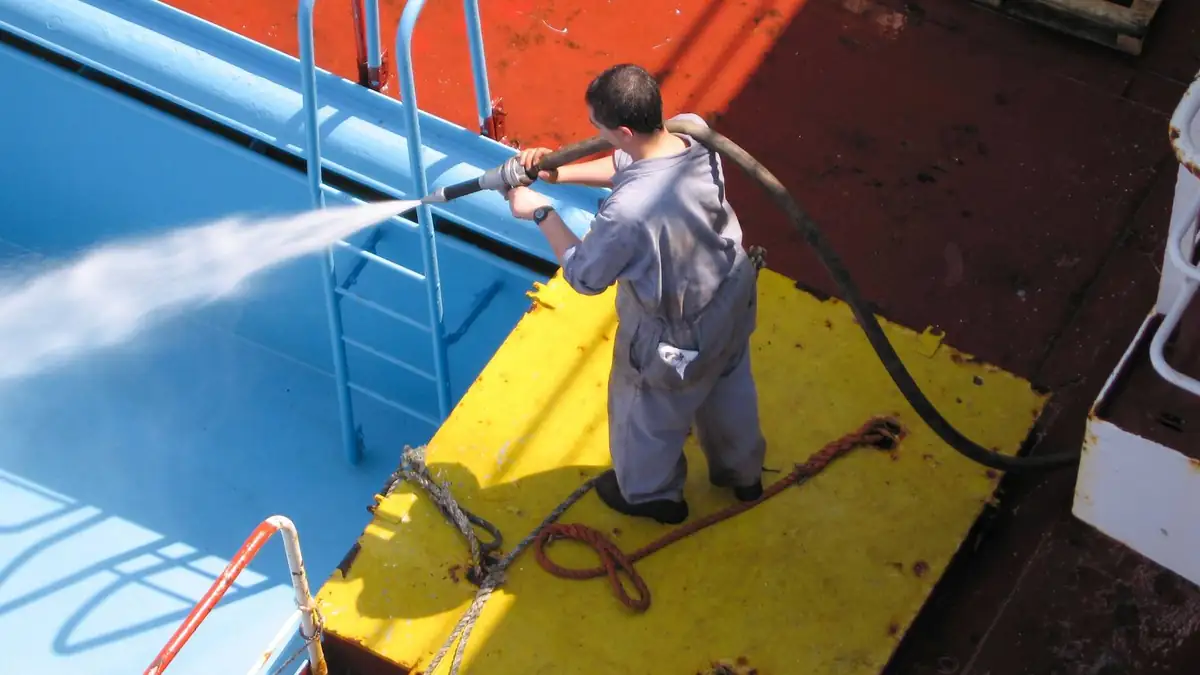
Pressure wash lifts compacted sediment and algae; full vacuum extraction before any coating is applied
Applying sealant before the tank is fully dry prevents adhesion and causes the coat to peel within months
Painting over mineral scale or rust traps the contaminant inside the wall instead of removing it
General construction sealants release compounds into drinking water and are not rated for potable contact
Without a camera check after completion, hairline cracks stay hidden and the problem returns by the next hot season
Work begins with an internal camera recording before the tank is emptied, identifying sediment zones, cracks and the mineral scale that Kuwait's hard water builds on concrete and fibreglass surfaces. After full drainage the walls are pressure-washed and vacuumed, then allowed to dry completely. This preparation stage is not a formality: any coating applied to a damp or scaled surface will fail regardless of its quality.
The choice of waterproofing material depends on the tank type and its condition. Cracked concrete tanks receive a two-coat drinking-water epoxy lining. Degraded fibreglass tanks need resin-and-mat laminate repair before any surface coat. Steel or polyethylene tanks with structural fractures are welded first. Full replacement is a last resort used only when the tank structure itself is no longer sound, not as a default recommendation for any visible crack or stain.
Work closes with a second camera inspection shown on screen alongside the opening footage, giving the owner a direct visual comparison. Roof tanks in Kuwait face extreme summer heat that accelerates coating breakdown and opens hairline cracks faster than in cooler climates, making periodic inspection a practical necessity rather than an overcaution. Transfer and pressure pumps connected to the tank fall outside this service and are handled separately under pump installation and servicing.
Part of Plumbing and sanitary works · All services · Back to the home page
No fixed rate applies; these factors shape every quote for this service
A large underground tank needs more cleaning and coating time than a small roof unit
Cleaning alone differs in scope from cleaning combined with full epoxy lining or structural repair
Heavy scale or multiple cracks increase preparation time and the volume of material needed
Tanks with a narrow hatch or awkward location need extra effort to enter and work inside
Emergency call-outs outside normal hours are priced differently from pre-scheduled visits
Same method, same equipment. Only the size of the job changes.
Why us
Amana means trust. Someone else’s home is not ours to be careless in.
Do not take our word for it. Look at the work yourself.
The leak is marked before a single tile comes up.
A leak does not wait for the morning.
Six governorates, 139 areas.
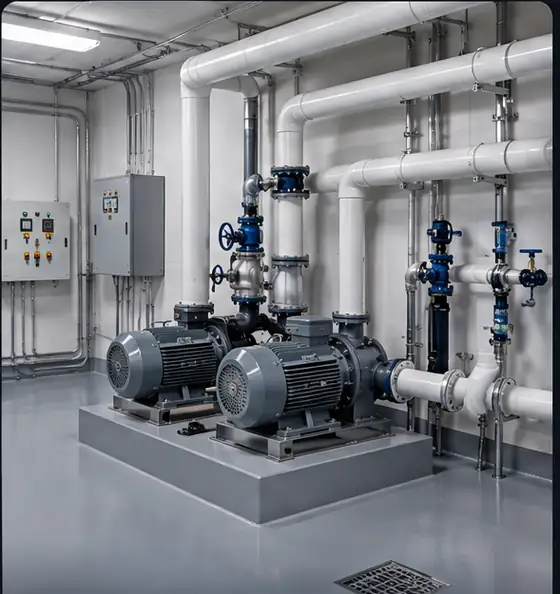
For buildings and complexes, servicing before the problem starts.
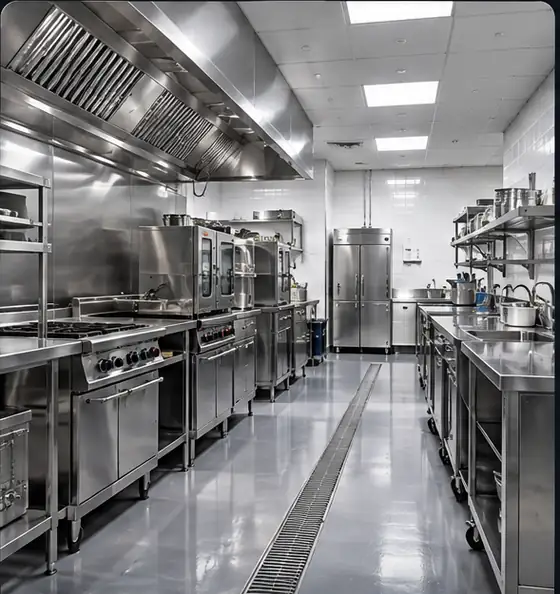
Restaurants, offices and complexes, not only homes.
Six governorates, 139 areas.
Common questions
Need someone now? The emergency line is open any hour.
+965 9668 4964
A faint odour when you first open a tap in the morning or a light sediment at the bottom of a glass are early signs. An internal camera check reveals buildup and algae before they reach a level that affects the water at the tap.
Yes. The lining is applied from inside through the existing access hatch. External breaking is a last resort used only when the tank structure has a fracture that cannot be addressed from the inside.
Cleaning removes sediment and algae but does not close cracks. Waterproofing closes cracks and protects the walls but fails if applied to an unprepared surface. Both are needed when cracks are present; a structurally sound tank due for routine maintenance may need cleaning alone.
Hairline cracks in fibreglass are treated with resin-and-mat laminate from the inside, followed by an epoxy coat. Replacement is recommended only when the structure has deteriorated across too large an area to hold a repair patch.
The material used in drinking-water tanks must be rated for potable water contact, not a general construction paint. The distinction matters because a non-rated coating leaches compounds into stored water, which is exactly what the lining is meant to prevent.
The service covers homes, apartments, residential complexes, offices, restaurants and commercial kitchens. Larger buildings with multiple tanks can be scheduled for an extended visit to cover all units in one organised call-out.