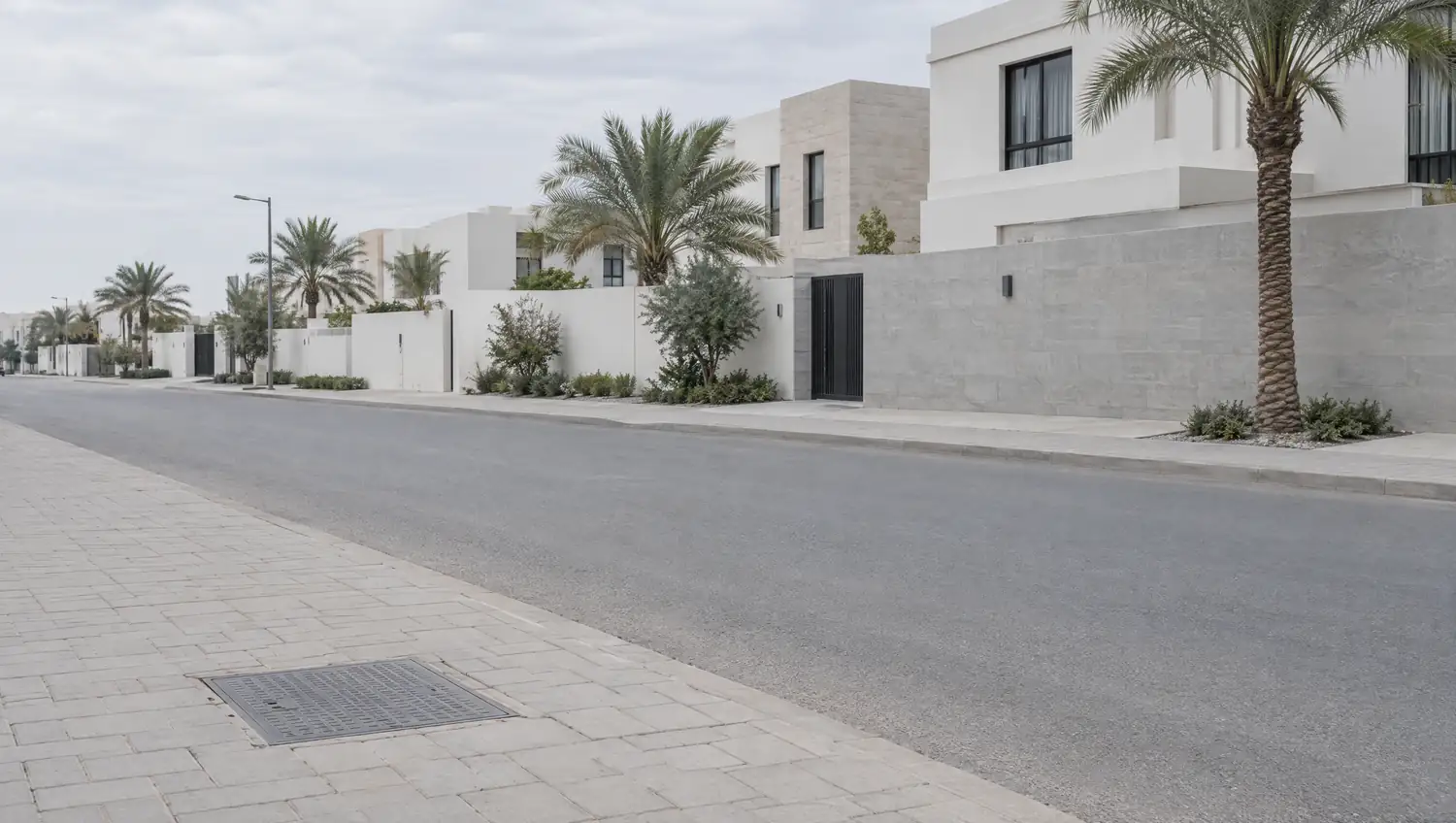
Tank draining and inspection
Full drain followed by camera check of walls and floor before work starts
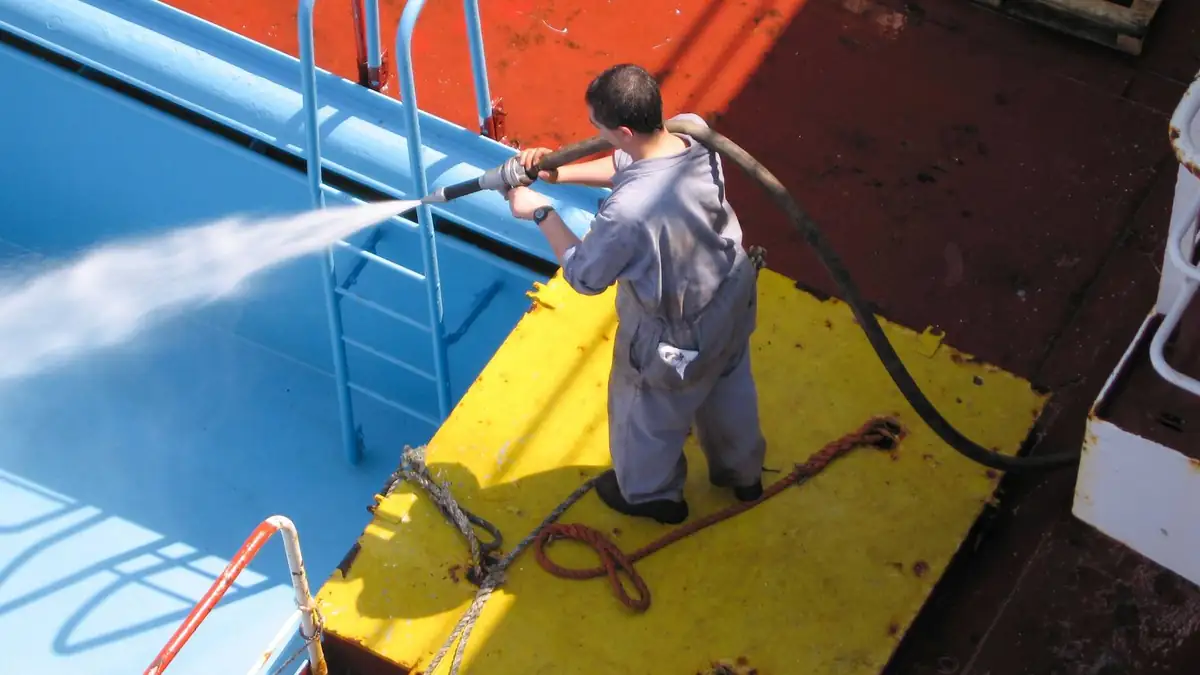
Tank cleaning and waterproofing
High-pressure flush, sediment removal, and full disinfection, with an internal camera confirming clean walls and floor before the water goes back in
Full cleaning for ground, underground, and roof tanks in homes, apartments, and commercial buildings
Full drain followed by camera check of walls and floor before work starts
Manual scraping of lime deposits and algae from all interior surfaces
High-pressure water jet removes all residual scale and loose material
Full extraction of wash water so no contaminated water re-enters the building line
Drinking-water rated disinfectant applied to all internal surfaces after washing
Internal camera confirms clean result to the customer before the pump restarts
Contact us with tank type and count to book a convenient visit
Internal camera assesses walls and floor condition before any work begins
Full drain, manual scraping, high-pressure wash, and dirty water extraction
Disinfectant applied to all internal surfaces and left for full contact time
Closing camera run confirms cleanliness to the customer before the pump restarts
Breaks hard lime scale off walls quickly without scratching the surface coating
Records tank condition before and after so the customer sees the result directly
Removes all wash water completely, leaving no contaminated residue at the base
Drinking-water rated formula kills bacteria without attacking concrete or fibreglass surfaces
Residual water dilutes disinfectant and keeps sediment floating so it settles back in
Pressure alone cannot remove stuck algae or thick lime crust from tank walls
An open overflow is a direct entry point for insects and dust that contaminate the water
Pumping water before disinfectant contact time ends cancels the disinfection entirely
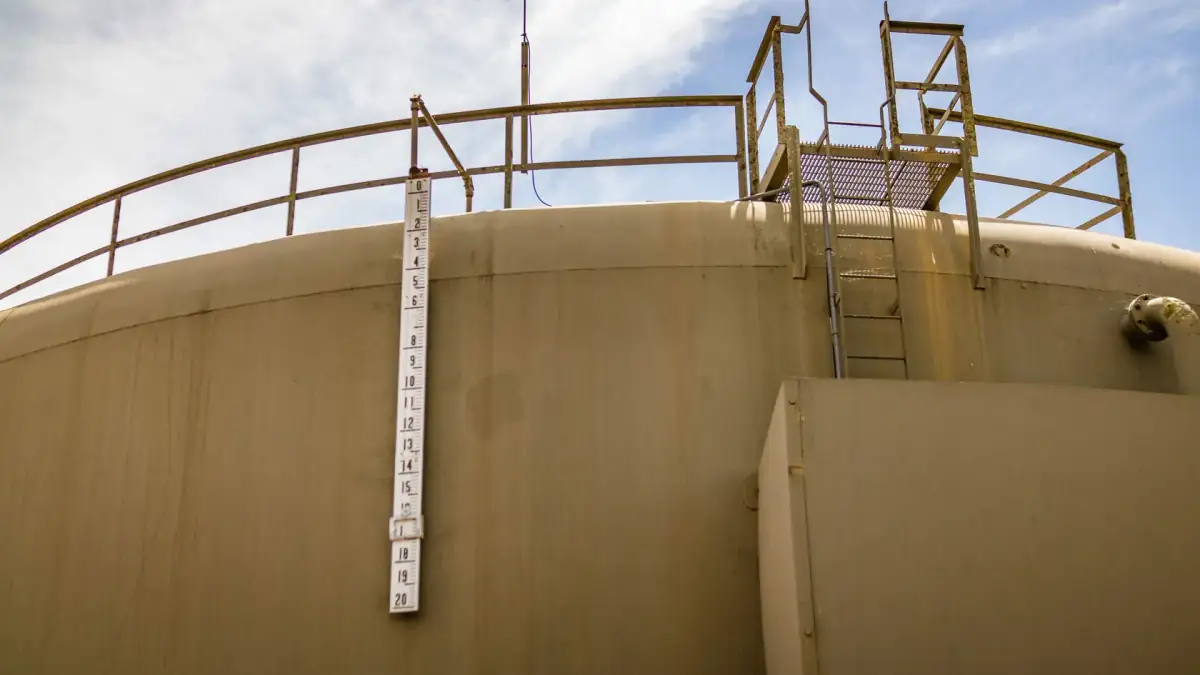
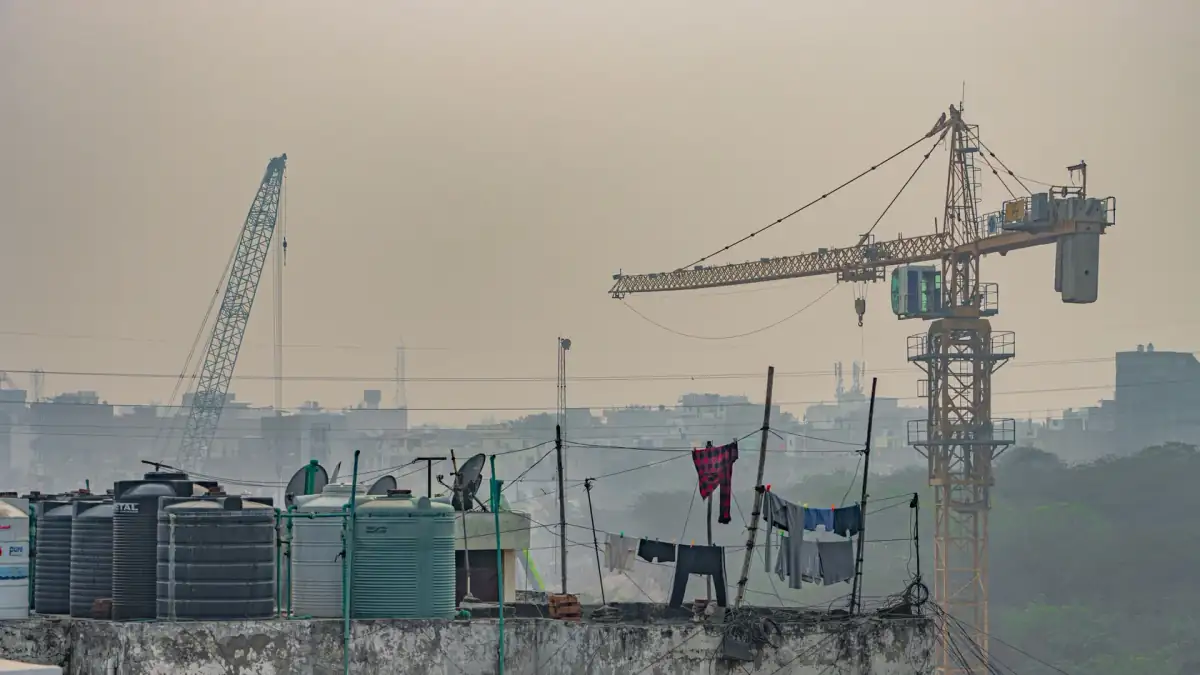
Part of Tank cleaning and waterproofing · All services · Back to the home page
No fixed rate applies, as the quote depends on tank size, condition, and access on the day
Larger tanks take more time and require greater quantities of disinfectant
Heavy lime scale and dense algae growth require extra manual effort
Underground or confined-space tanks need specialist entry equipment
Complexes with multiple tanks are priced differently from a single residential tank
Urgent calls outside standard hours are charged at a different rate
Same method, same equipment. Only the size of the job changes.
Why us
Amana means trust. Someone else’s home is not ours to be careless in.
Do not take our word for it. Look at the work yourself.
The leak is marked before a single tile comes up.
A leak does not wait for the morning.
Six governorates, 139 areas.
For buildings and complexes, servicing before the problem starts.
Restaurants, offices and complexes, not only homes.
Six governorates, 139 areas.
Common questions
Need someone now? The emergency line is open any hour.
+965 9668 4964
There is no single interval that fits all tanks. Roof tanks exposed to high summer heat and tanks feeding commercial kitchens need attention more often than those serving small apartments. A camera check gives a factual answer rather than a guess.
No. Proper cleaning requires the tank to be fully drained and isolated from the supply line. Without that, effective scraping is not possible and the disinfectant cannot reach the required concentration.
When contact time ends and the tank is rinsed properly, no taste or smell remains. Problems occur only if the pump restarts before disinfection time is complete, which is a common shortcut we avoid.
Ground or underground tanks are usually larger and need confined-space entry equipment. Roof tanks are easier to reach but high temperatures accelerate algae growth there, making cleaning more pressing.
High-pressure washing works on both concrete and fibreglass, but the pressure setting is adjusted to avoid damaging a plastic wall or widening any existing hairline cracks in a fibreglass tank.