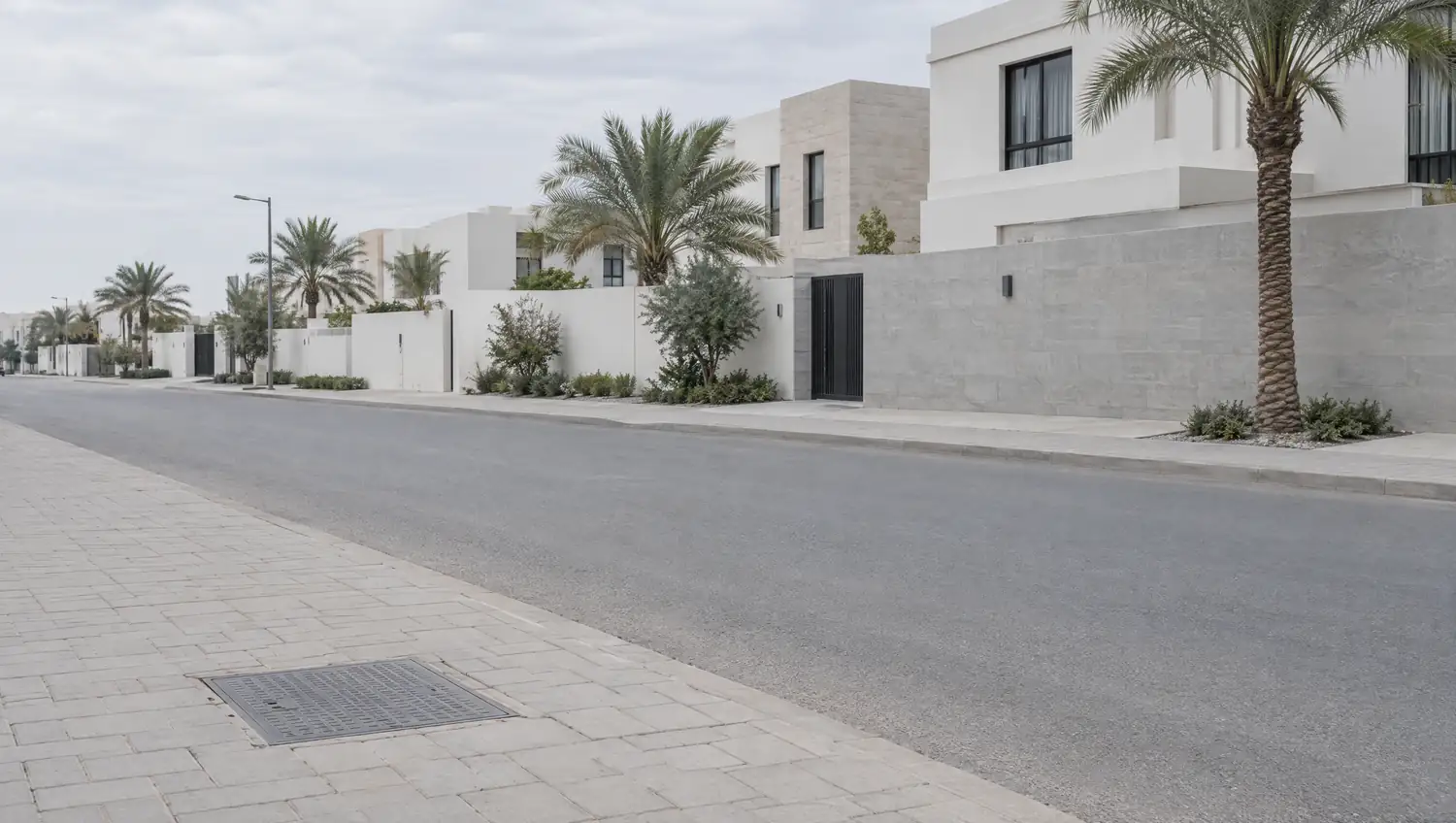
Crack mapping by camera
Internal camera maps every crack and its depth before work begins
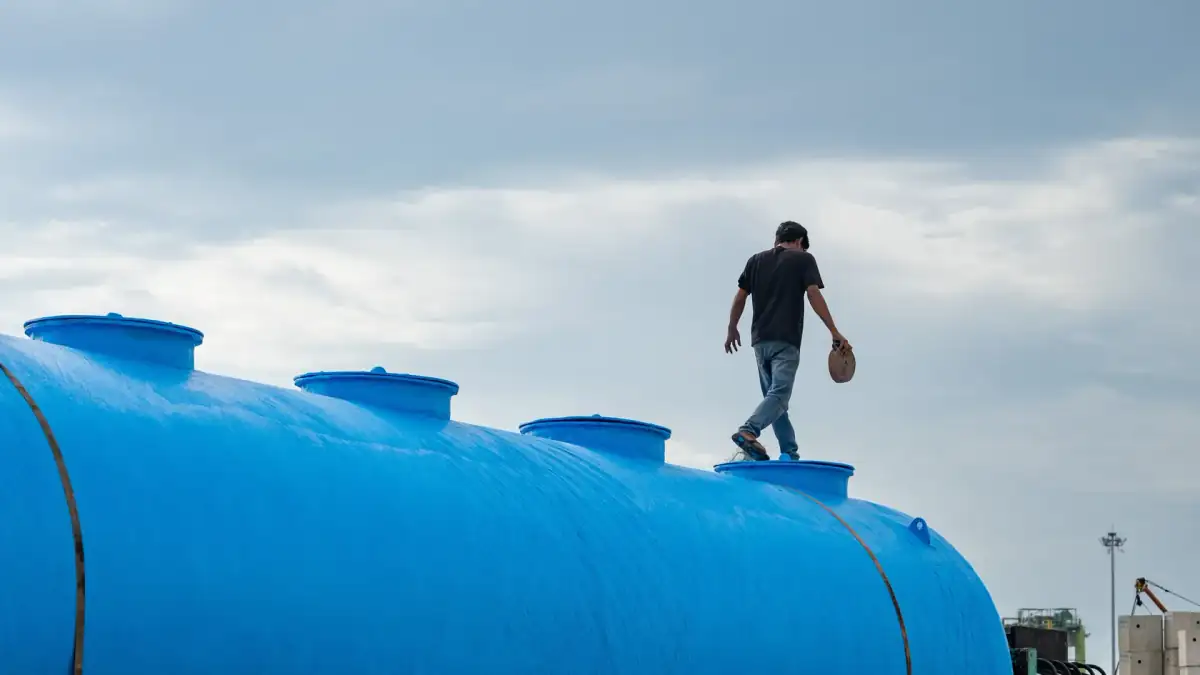
Tank cleaning and waterproofing
Resin-and-mat laminate fills the crack, a camera confirms the seal, and a drinking-water epoxy coat protects every repaired surface
Locating and fixing every defect in the tank wall before water goes back in
Internal camera maps every crack and its depth before work begins
Grinding the area around the crack ensures the resin bonds properly
Resin-saturated glass-mat layers fill the crack and restore structural stiffness
Delaminated sections are removed and rebuilt with matching laminate material
Full interior coat with epoxy rated safe for potable water contact
Camera confirms no remaining cracks or coating bubbles before the tank refills
Describe the tank location and visible leak signs so the right equipment is prepared
Tank is drained and left to dry before the team enters for inspection
Internal camera records every crack and delaminated area in front of the owner
Resin-and-mat patch applied, then full interior epoxy coat after curing
Final camera confirms the seal, tank is refilled and handed back to the owner
Chosen to match the original fibreglass chemistry so the bond is structural, not merely adhesive
Cut to the crack shape, saturated with resin in layers to restore the original wall thickness
Applied over the full interior after repair to block water migration and release nothing into drinking water
Films the wall before repair to locate hidden cracks and after to verify the seal is complete
Record where dampness appears around the tank and when you first noticed it
Knowing the rough capacity and whether it is ground-level or roof speeds equipment selection
Confirm the supply line can be isolated so the team arrives to a drained, dry tank
If the tank has not been cleaned recently, repair will include a clean first, affecting the schedule
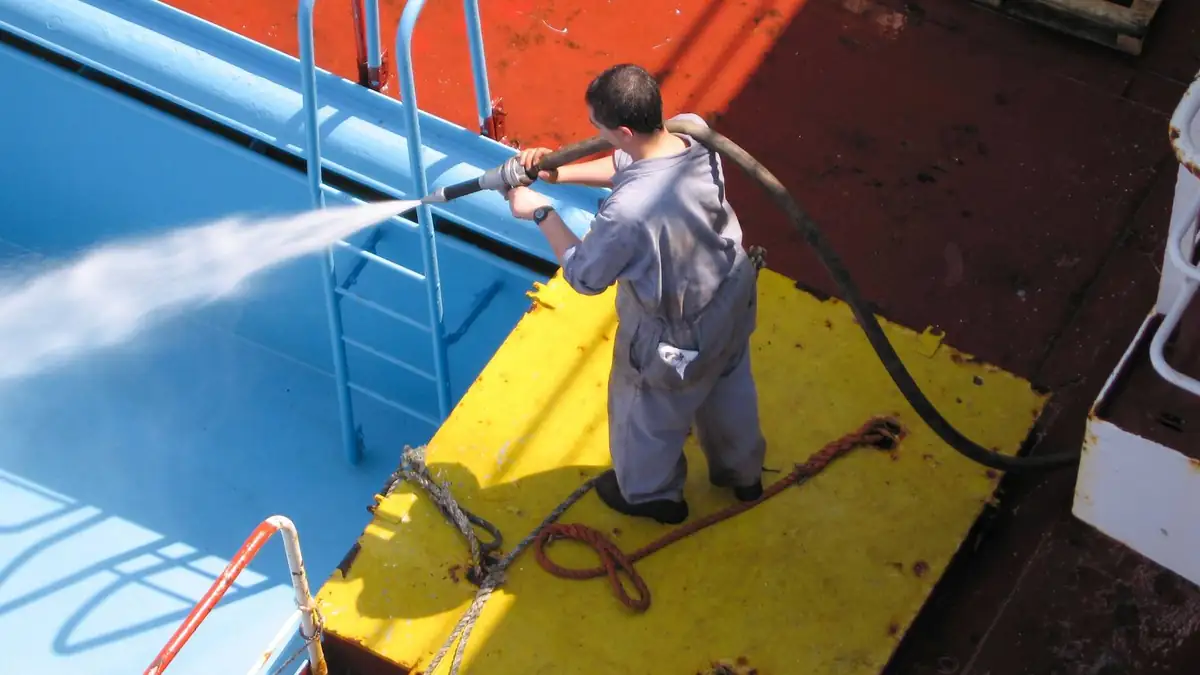
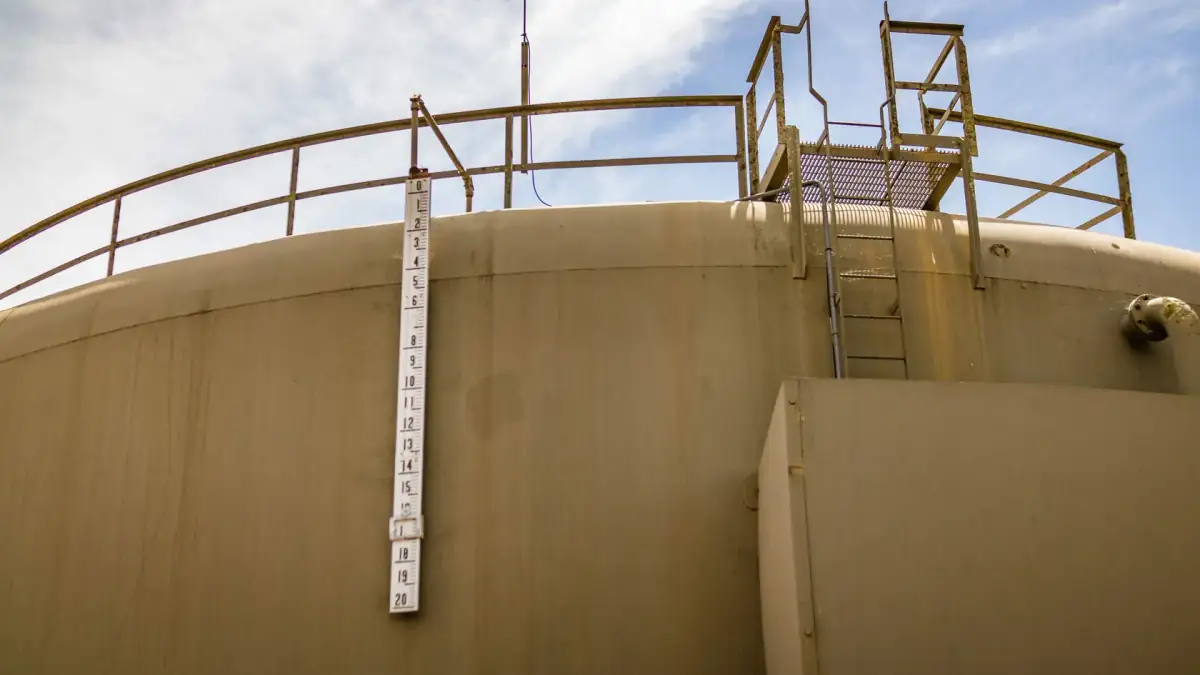
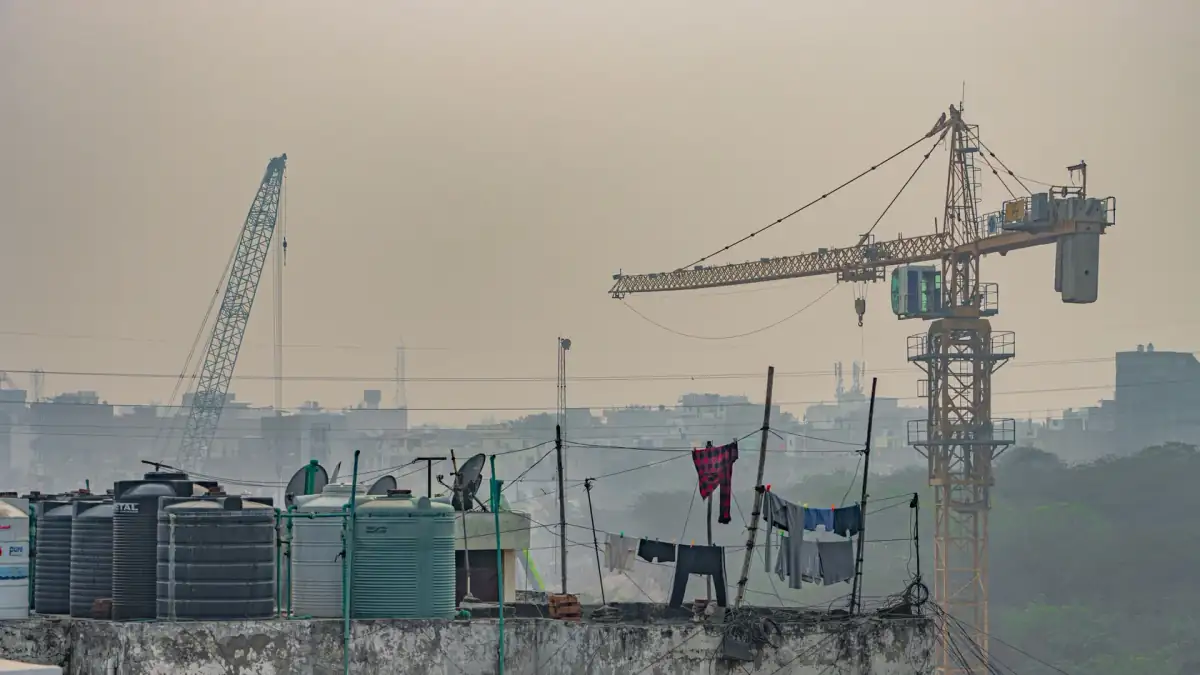
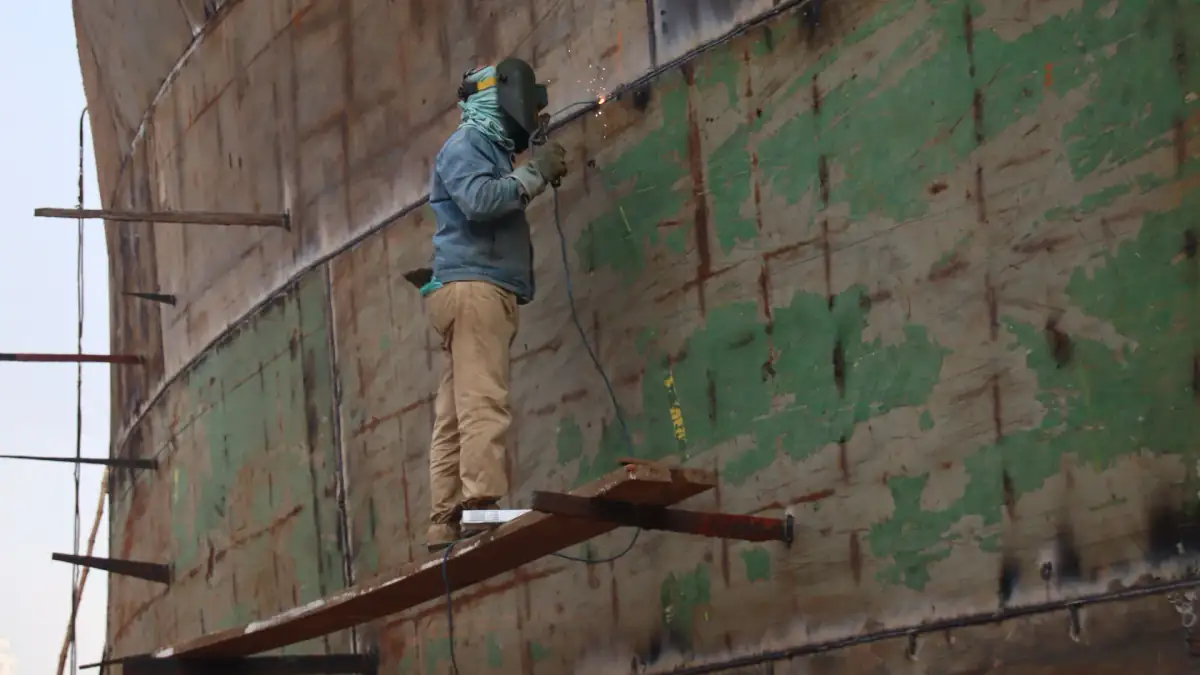
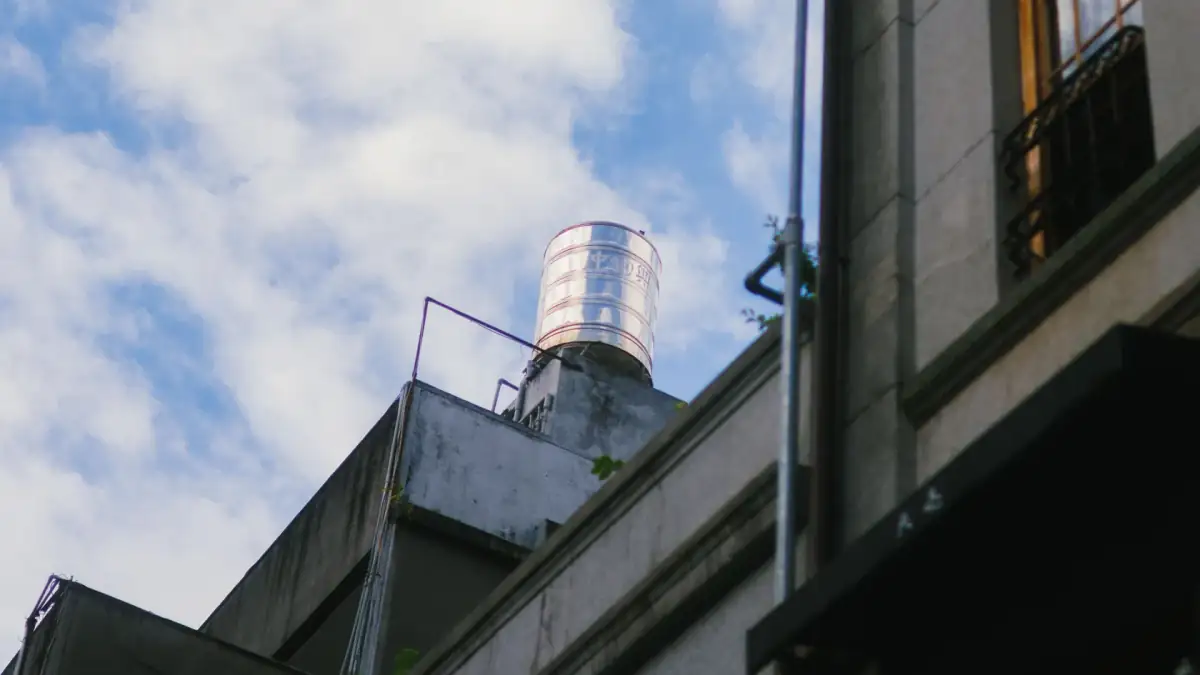
Part of Tank cleaning and waterproofing · All services · Back to the home page
No fixed rate applies; these factors shape the quote once the tank is inspected
A single hairline crack differs greatly from multiple cracks or widespread delamination
A thin wall needs more laminate layers to recover stiffness than a thick-walled tank
Capacity determines how much epoxy coating material is needed to cover the full interior
A roof tank with a narrow hatch or difficult approach takes more effort than an open ground tank
A tank that has not been recently cleaned requires a full clean before repair work can start
Same method, same equipment. Only the size of the job changes.
Why us
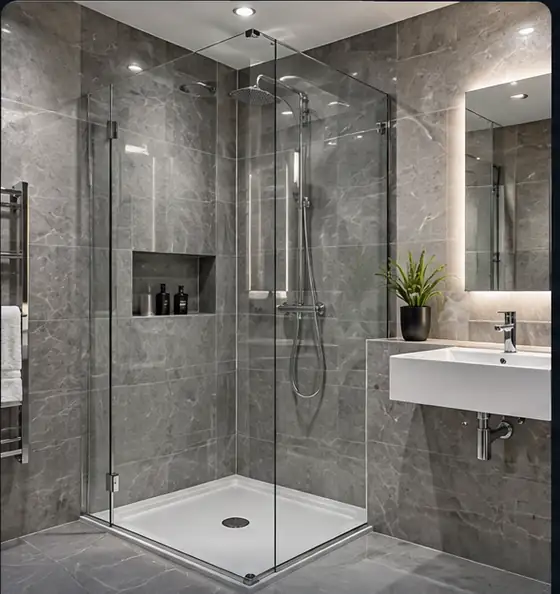
Amana means trust. Someone else’s home is not ours to be careless in.
Do not take our word for it. Look at the work yourself.
The leak is marked before a single tile comes up.
A leak does not wait for the morning.
Six governorates, 139 areas.
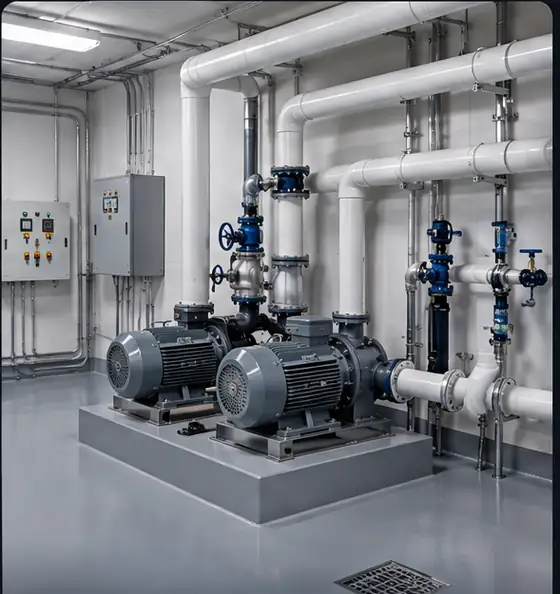
For buildings and complexes, servicing before the problem starts.
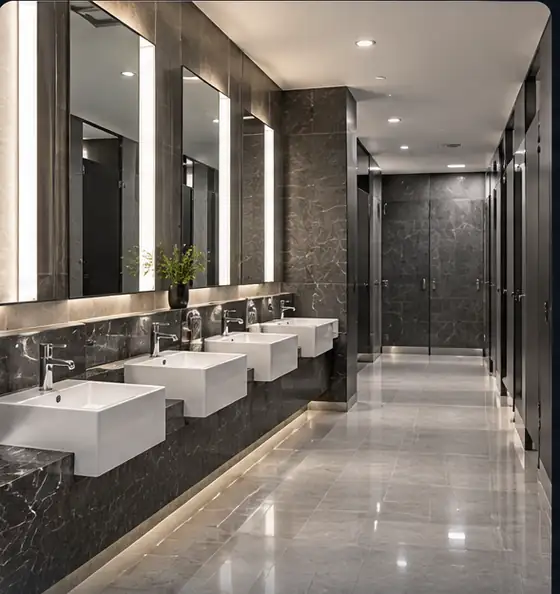
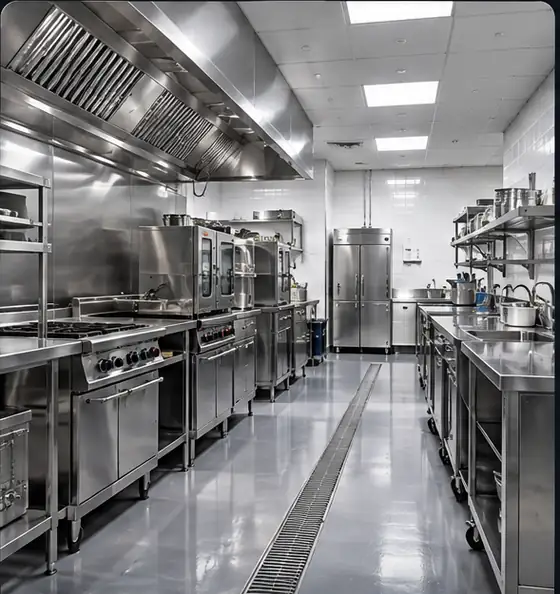
Restaurants, offices and complexes, not only homes.
Six governorates, 139 areas.
Common questions
Need someone now? The emergency line is open any hour.
+965 9668 4964
In most cases yes, as long as the overall structure is sound and the wall has not begun to break apart. A camera inspection shows the true condition before any decision is made.
Hairline cracks usually begin on the interior surface and grow slowly without penetrating the full wall thickness. Water wicks through delaminated layers and shows as external dampness before any visible crack appears.
The resin closes the crack structurally, but its rough surface can harbour scale and may release particles over time. The epoxy coat provides a smooth, potable-water-rated layer that protects both the repair and the rest of the tank interior.
Roof tanks undergo repeated thermal expansion and contraction. For this reason the resin grade is chosen for adequate flexibility, and the epoxy is applied at a thickness that can absorb that movement without cracking.
It depends on where the damage is. Cracks near the hatch opening can be reached with flexible tools without cutting. If the damage sits deep in the tank far from the hatch, a temporary wider opening may be needed.