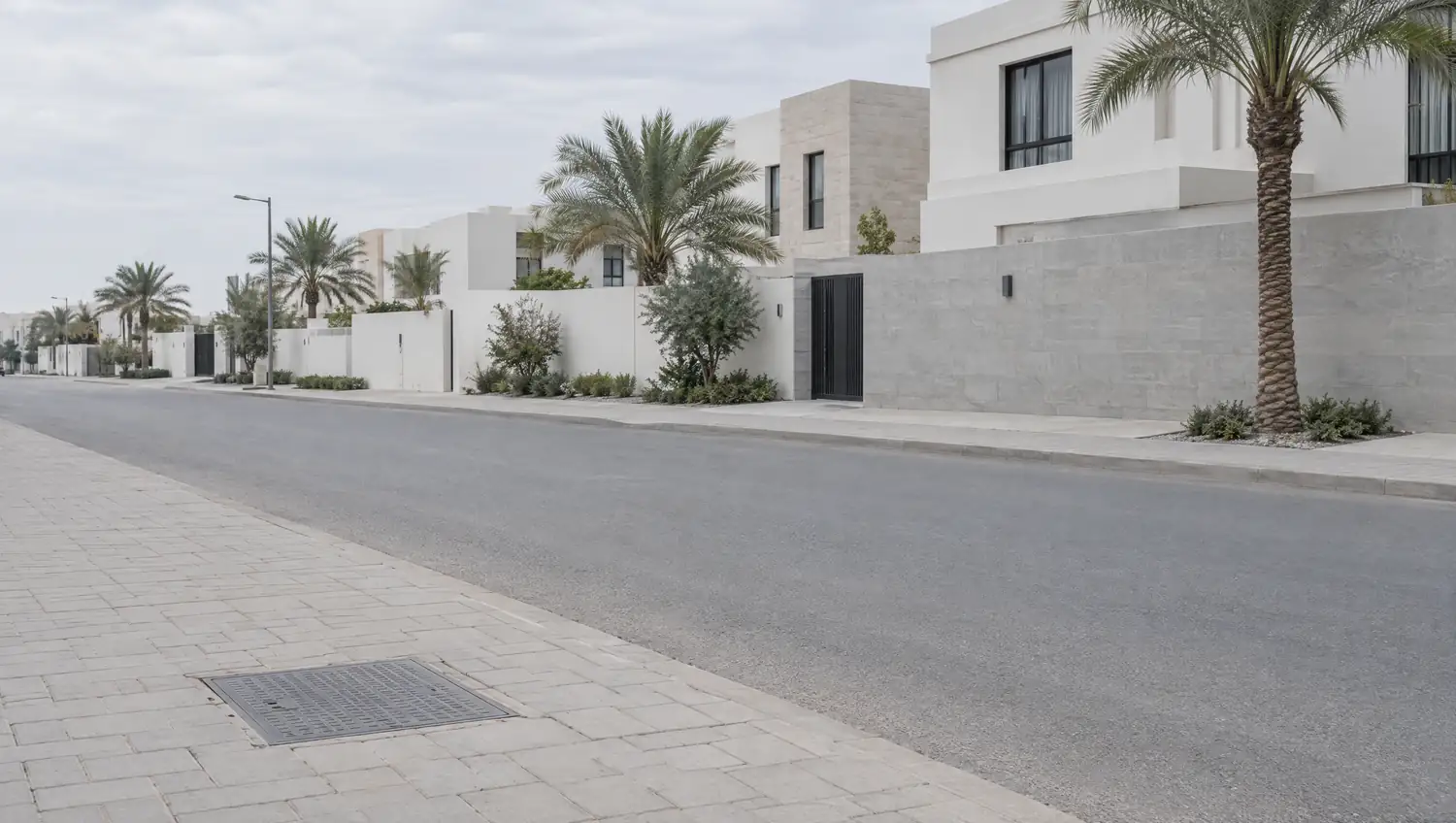
Crack welding
direct thermal weld along each fracture line in the tank wall
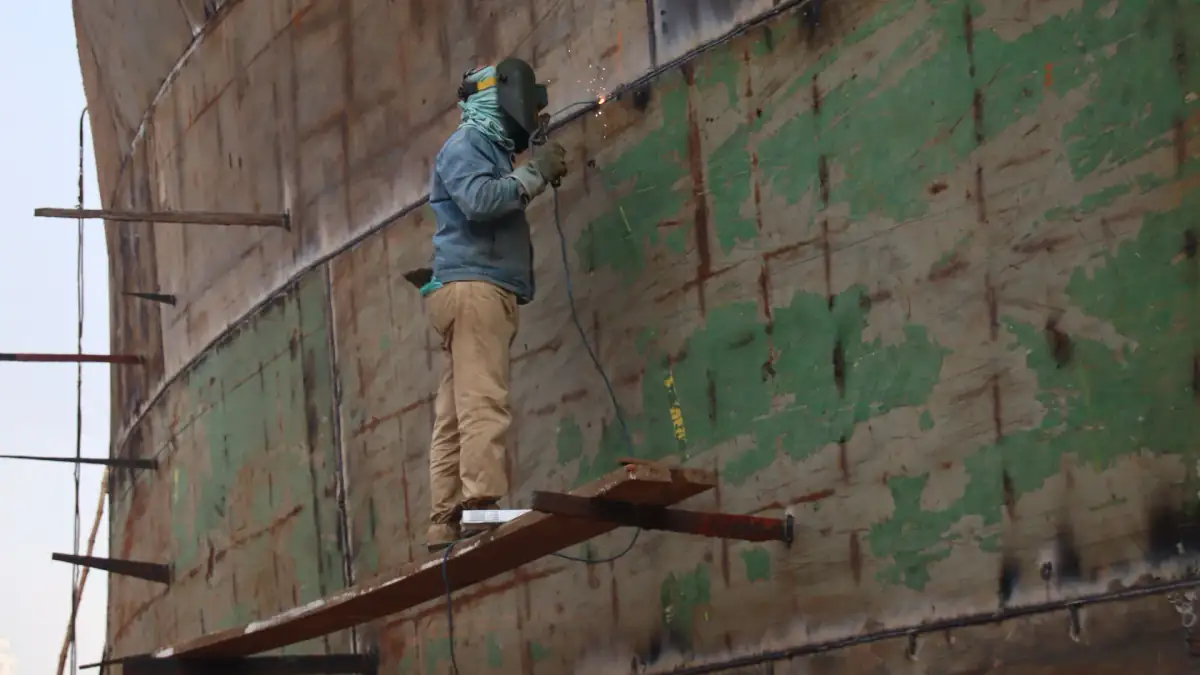
welding cracks, failed joints and damaged fittings in plastic and fibreglass water tanks
direct thermal weld along each fracture line in the tank wall
re-welding inlet and outlet fittings where the flange joint has failed
resin-and-mat layer over the damaged zone before the final weld seal
internal camera after welding reveals any weak point before refilling
replacing the tank lid when the leak source is the cover seal
written record of weld locations and camera inspection result
describe the leak location and tank type; a visit is scheduled
internal camera maps every crack point before any welding starts
weld zone cleaned, dried and cleared of any adhering deposits
thermal weld or resin-and-mat applied according to material and damage severity
second camera pass confirms the seal and a report is handed to the customer
dampness that does not dry under the tank despite no visible pipe running there
cracking or bubbling paint on the surface directly under the tank signals a slow cumulative drip
the tank level drops beyond normal consumption even when no tap or fixture is running
a visible fracture or gap in the plastic or fibreglass tank wall spotted during an internal check
controlled heat fuses both crack edges without filler, suited to polyethylene tanks
rod matching the tank material fills deep gaps and ensures matched thermal expansion
applied to fibreglass before welding to level the damaged surface and improve layer adhesion
resin-soaked mat wrapped around the repair zone distributes stress and stops the crack extending
Part of Tank cleaning and waterproofing · All services · Back to the home page
no fixed price list applies; the quote is shaped by these factors
each crack or failed joint is counted separately when estimating the work
polyethylene and fibreglass differ in welding tools and time required
roof or ground position affects setup time and the lighting equipment needed
larger tanks take longer to drain and inspect before work begins
scale or algae deposits must be removed before welding, adding time to the visit
Same method, same equipment. Only the size of the job changes.
Why us
Amana means trust. Someone else’s home is not ours to be careless in.
Do not take our word for it. Look at the work yourself.
The leak is marked before a single tile comes up.
A leak does not wait for the morning.
Six governorates, 139 areas.
For buildings and complexes, servicing before the problem starts.
Restaurants, offices and complexes, not only homes.
Six governorates, 139 areas.
Common questions
Need someone now? The emergency line is open any hour.
+965 9668 4964
Yes. If the wall is sound overall and the crack is localised, a thermal weld restores the seal permanently. Full replacement is only recommended when damage is spread across a large section of the wall.
Hard water deposits scale on the tank wall rather than on the weld itself, so the repair is not weakened. Periodic cleaning is still recommended to stop scale hiding any new cracks that may develop.
The tank is drained and an internal camera films every wall and the floor. Cracks and corroded joints appear clearly on the screen; the customer sees the same view before any work begins.
Thermal welding uses a rod of the same base material as the tank with no foreign additives, making it suitable for drinking-water tanks. The tank is flushed before being returned to service.
In most cases yes. As long as the access opening allows tools through, welding is done from inside or outside depending on where the crack sits. Dismantling is only used when the position prevents adequate access.