Camera inspection
films the pipe interior before and after clearing to confirm result
Main sewer unclogging
Cooking grease congeals inside the pipe and builds up over time; we clear it completely and confirm the line is open with a camera
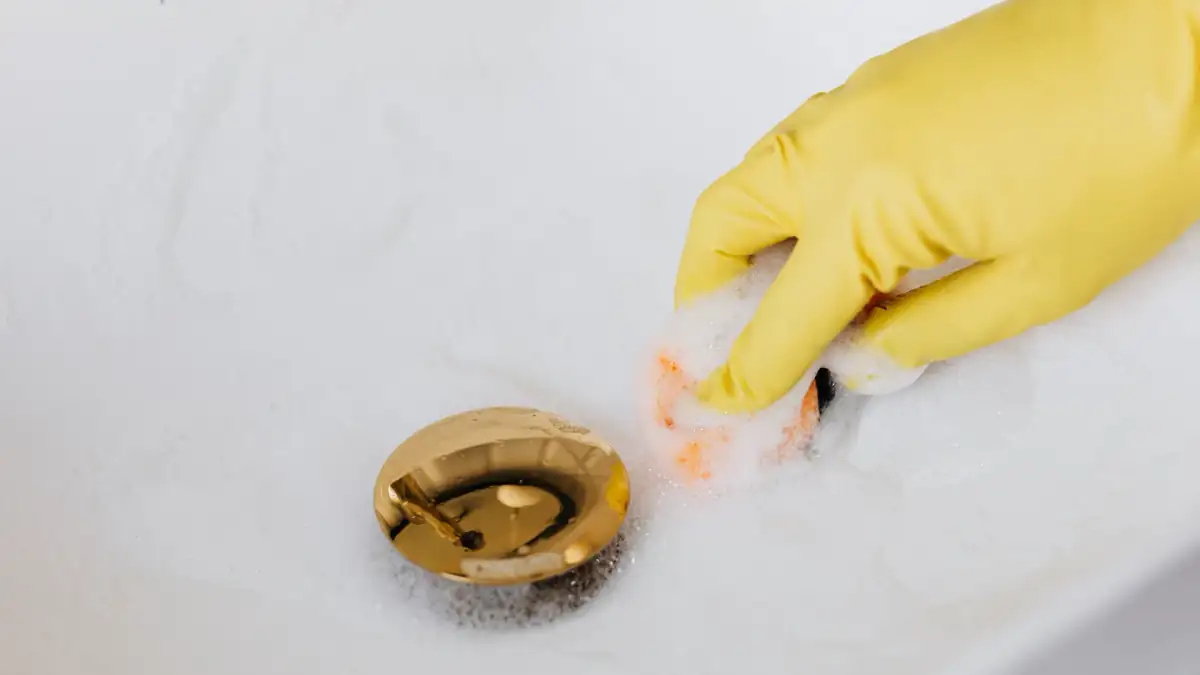
clearing the kitchen drain line from sink trap to the main sewer connection
films the pipe interior before and after clearing to confirm result
breaks up congealed cooking oil and grease lining the pipe wall
water jet at high pressure scrubs grease residue off pipe walls
rotating mechanical head breaks through a solid blockage without digging
cleans the under-sink trap and reseats it to stop leaks
checks whether the block extends into the main line and clears it
describe the sink behaviour and property type so we size the job
camera films inside the line to locate the block before any work starts
right tool chosen for the blockage type; pipe walls cleaned throughout
second camera pass shows the customer the clear pipe on the same screen
we explain the cause and what daily kitchen habits will prevent recurrence
From the inspection camera
Drag the divider and see the difference.
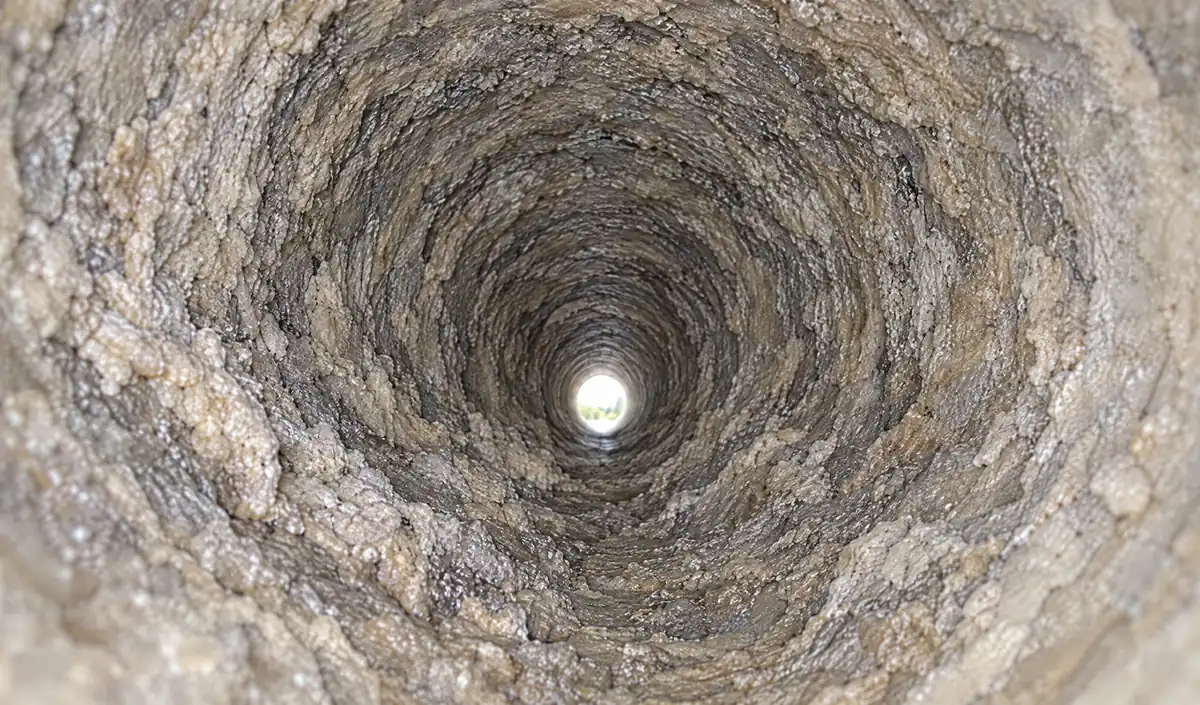
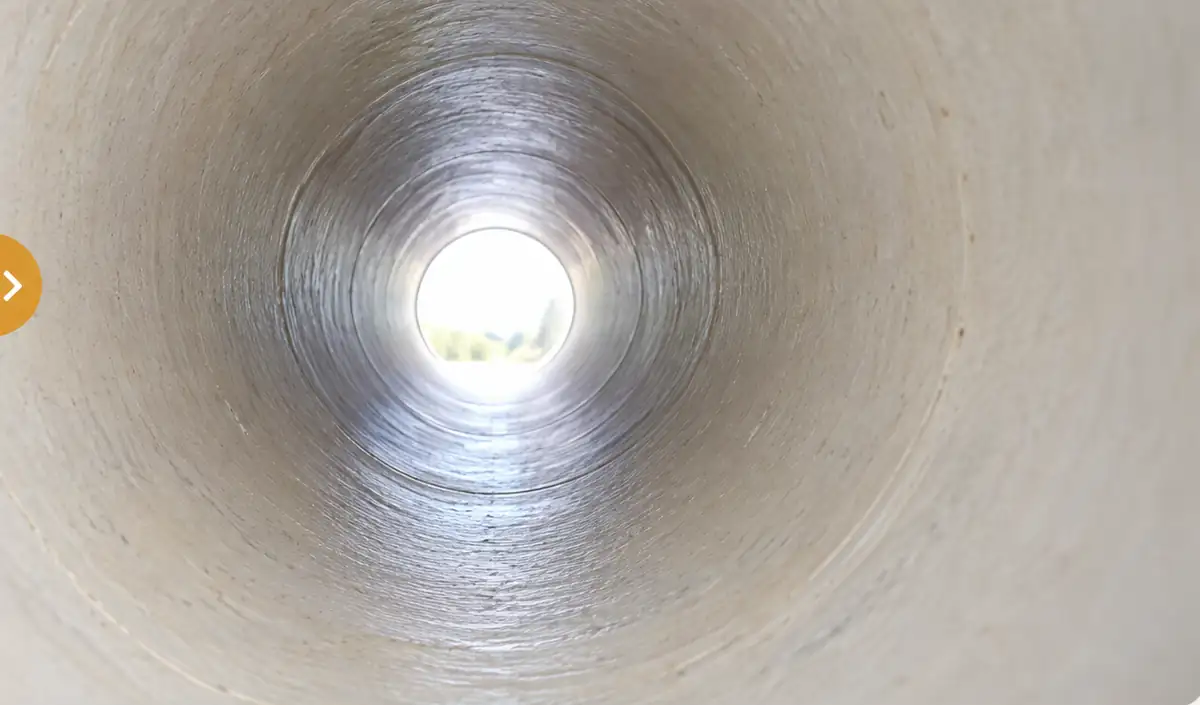
Every job starts with a recording and ends with one. The footage is kept and sent to you.
water sits in the sink for minutes after the tap closes instead of draining straight away
a rancid cooking-fat smell rises from the drain opening even when the sink is empty
bubbling or gurgling from the pipe each time washing water drains away
water or foam pushes back up through the kitchen floor drain when the sink runs
hot water melts grease briefly then it re-solidifies deeper in the pipe making removal harder
large doses corrode plastic joints and leave a sticky film that traps new grease faster
clearing only the under-sink trap without checking the exit line brings the blockage back quickly
pushing more oil into a blocked line raises back-pressure and can contaminate nearby drain joints
Part of Main sewer unclogging · All services · Back to the home page
no fixed rate applies; these factors shape the quote for each kitchen drain job
a trap blockage is simpler than a build-up deep in the concealed run
hardened grease lining the pipe wall takes more time and effort than a fresh block
a long run to the street sewer needs equipment with greater reach
a line behind fixed fittings or above a lower-floor ceiling is harder to reach
a restaurant kitchen carries far more oil load than a residential kitchen
Same method, same equipment. Only the size of the job changes.
Why us
Amana means trust. Someone else’s home is not ours to be careless in.
Do not take our word for it. Look at the line yourself.
Breaking is the last resort, never the first step.
A blocked line does not wait for the morning.
Six governorates, 139 areas.
For buildings and complexes, servicing before the problem starts.
Restaurants, offices and complexes, not only homes.
Six governorates, 139 areas.
Common questions
Need someone now? The emergency line is open any hour.
+965 9668 4964
Yes. Kitchen lines build up congealed cooking fat on the pipe wall, narrowing it gradually. That is different from a hair or wipe blockage. Effective clearing means breaking up the grease layer and cleaning the wall, not just pushing a path through the middle.
In most cases yes. The blockage is reached through the under-sink trap or a nearby access point. Breaking is a last resort and only happens when the camera shows the pipe itself is cracked or displaced.
The most common reason is that the previous job opened a path without cleaning the grease layer off the pipe wall, so build-up restarts quickly. A second factor is poor pipe gradient; if the line lacks enough fall, grease settles at the same low point every time.
Yes. Grease travels with the water and can cool and solidify in the external run or at the connection to the public sewer. The camera follows the line from inside the property outward and shows exactly where the block sits.
It can contribute if its drain feeds into the same line. Hot wash water carries dissolved grease that solidifies as soon as it hits a cooler section of pipe. A correctly graded and regularly cleared line reduces this effect.