Pump diagnosis
Checking motor, impeller and flow rate before any replacement decision
Water pump install and service
Wrong pump size or a failed unit traced before any tile is touched, then replaced and flow-balanced so every fixture gets hot water in seconds
Inspecting the existing unit, replacing or installing, then balancing flow and fitting isolation valves
Checking motor, impeller and flow rate before any replacement decision
Calculating loop length and building height to select the right pump
Mounting the pump on the return line with isolation valves on both sides
Fitting a check valve to prevent backflow and keep circulation directional
Setting pump speed and timer to cut energy use without delaying hot-water delivery
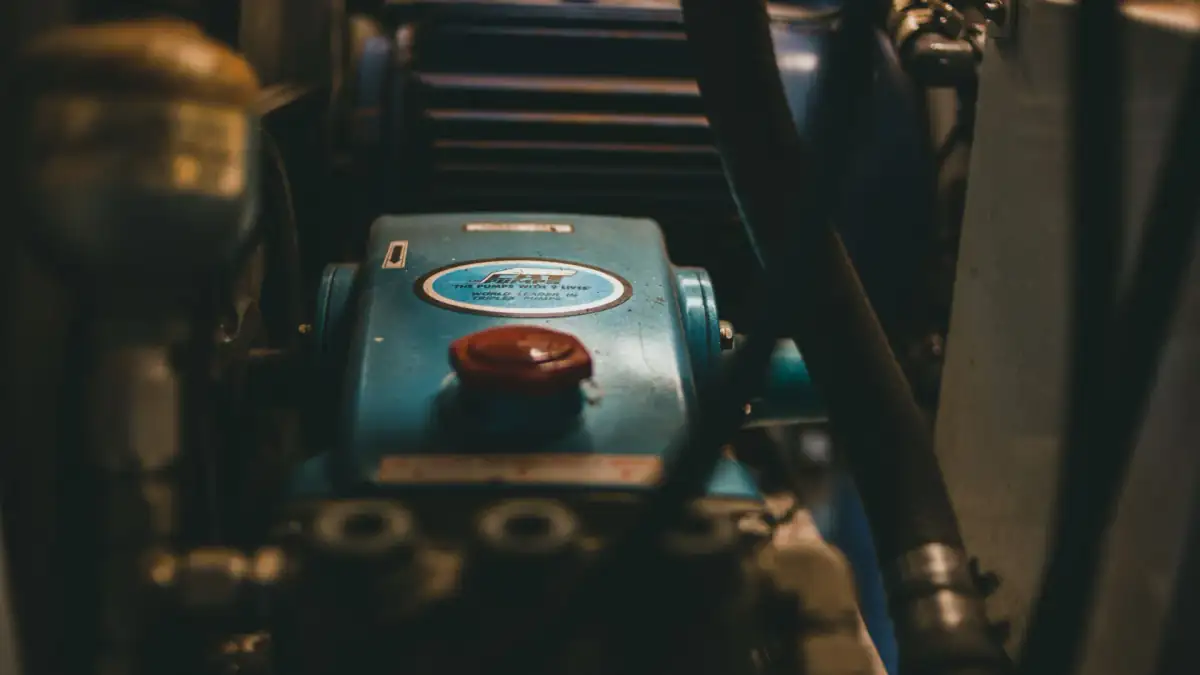
Filming inside the circulation line to spot scale restricting flow before installation
Tell us heater type, number of floors and the exact complaint
Technician checks the existing pump, return line and all connections
We explain the fault cause and present repair or replacement options clearly
Pump fitted on the return line, flow balanced and timer configured
System run and hot-water delivery confirmed at every outlet before we leave
An oversized pump raises pressure in the return line, causing noise and early joint wear
Placing the pump on the supply rather than return line upsets pressure balance throughout the building
Kuwait's hard water deposits scale inside the loop, overloading the pump long before it fails visibly
Bolting the pump directly to pipes without isolation pads transfers vibration to walls and loosens joints
Does hot water delay only after long idle periods or all the time? This narrows the fault type
Confirm the pump circuit breaker has not tripped before assuming a mechanical fault
Know roughly how far the farthest tap is from the heater; it directly affects pump sizing
Identify whether your central heater is electric, gas or solar; the pump spec must match it

Part of Water pump install and service · All services · Back to the home page
No fixed rate applies; these factors shape the final quote for each job
Fixed-speed circulation pumps differ in cost from variable-speed models
Replacing only the motor head differs in scope and cost from full unit replacement
A scale-blocked return line needs clearing before installation, adding to the work scope
A pump in an accessible plant room differs from one hidden behind installed fixtures
Calls outside standard working hours carry an after-hours charge
Same method, same equipment. Only the size of the job changes.

Why us
Amana means trust. Someone else’s home is not ours to be careless in.
Do not take our word for it. Look at the work yourself.
The leak is marked before a single tile comes up.
A leak does not wait for the morning.
Six governorates, 139 areas.
For buildings and complexes, servicing before the problem starts.
Restaurants, offices and complexes, not only homes.
Six governorates, 139 areas.
Common questions
Need someone now? The emergency line is open any hour.
+965 9668 4964
No. Even a single-floor home benefits if the heater is far from the fixtures. The longer the supply run, the longer the wait; a circulation pump solves this regardless of building height.
Yes, a new return line can be run in an existing home, though it requires pipework. In some cases an electronic demand-type pump works on the existing supply line without a dedicated return pipe.
The most common cause in Kuwait is scale narrowing the return line; the pump runs but flow is restricted. A pump undersized for the loop or a stuck check valve are also common causes.
Not necessarily. A timer restricts operation to peak-use hours. Variable-speed pumps adjust output automatically, cutting electricity use considerably compared to fixed-speed units.
Yes, we serve homes, apartments, complexes and commercial buildings. Complexes typically need higher-capacity pumps with balancing valves on each branch riser, which falls within our service scope.