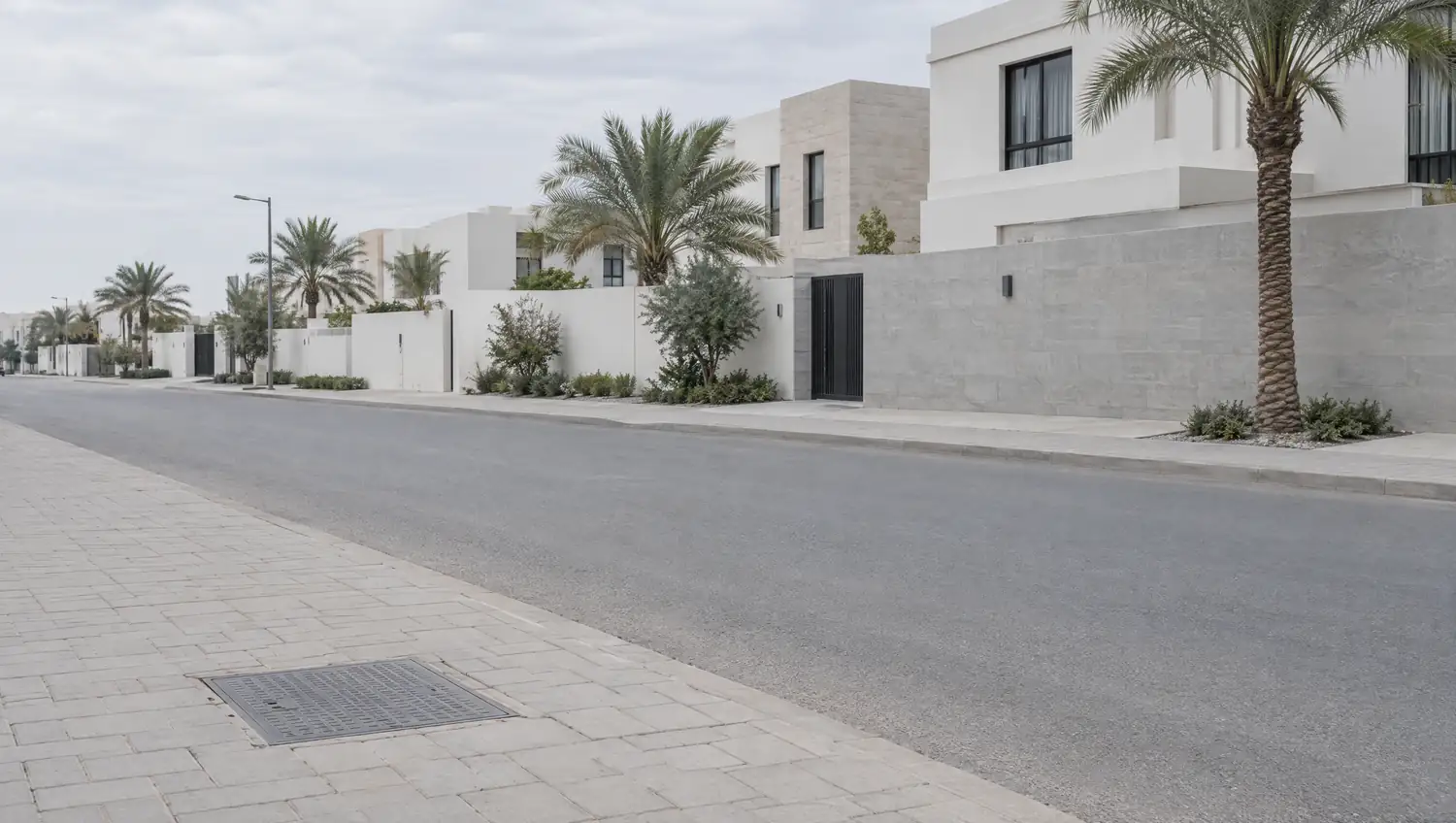
Line camera check
Camera films the drain before work begins to rule out blockage or fracture
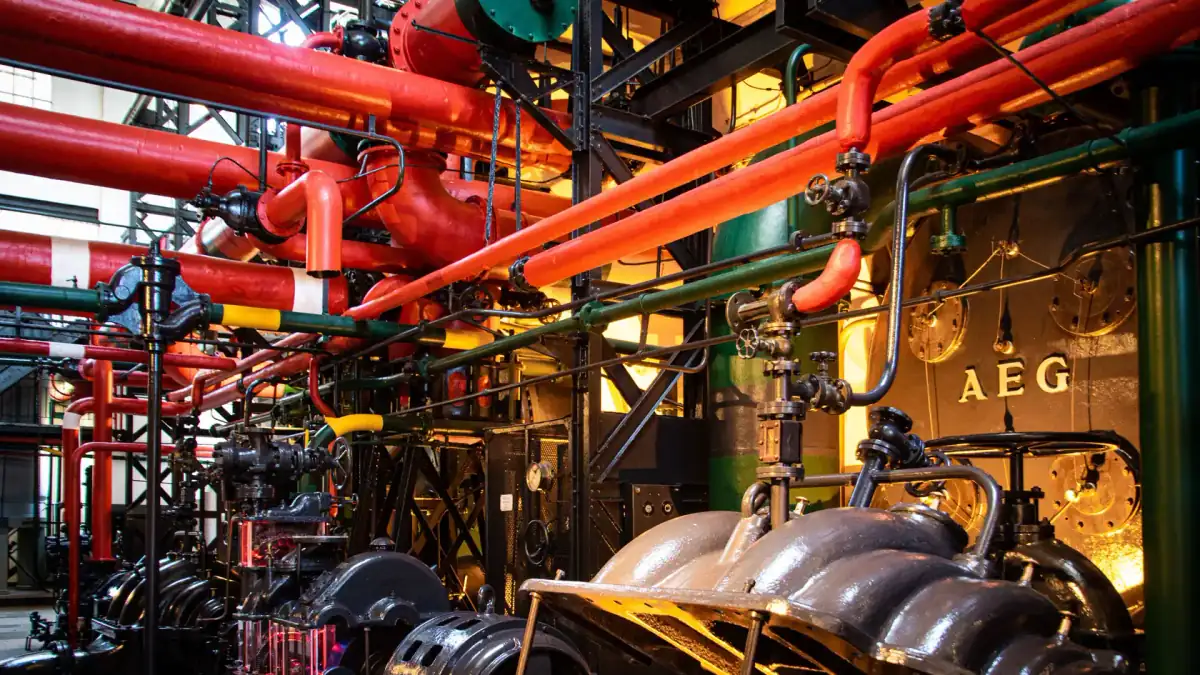
From line condition check to pump selection, installation and a confirmed run test
Camera films the drain before work begins to rule out blockage or fracture
Capacity matched to the sewage load and the discharge pipe length
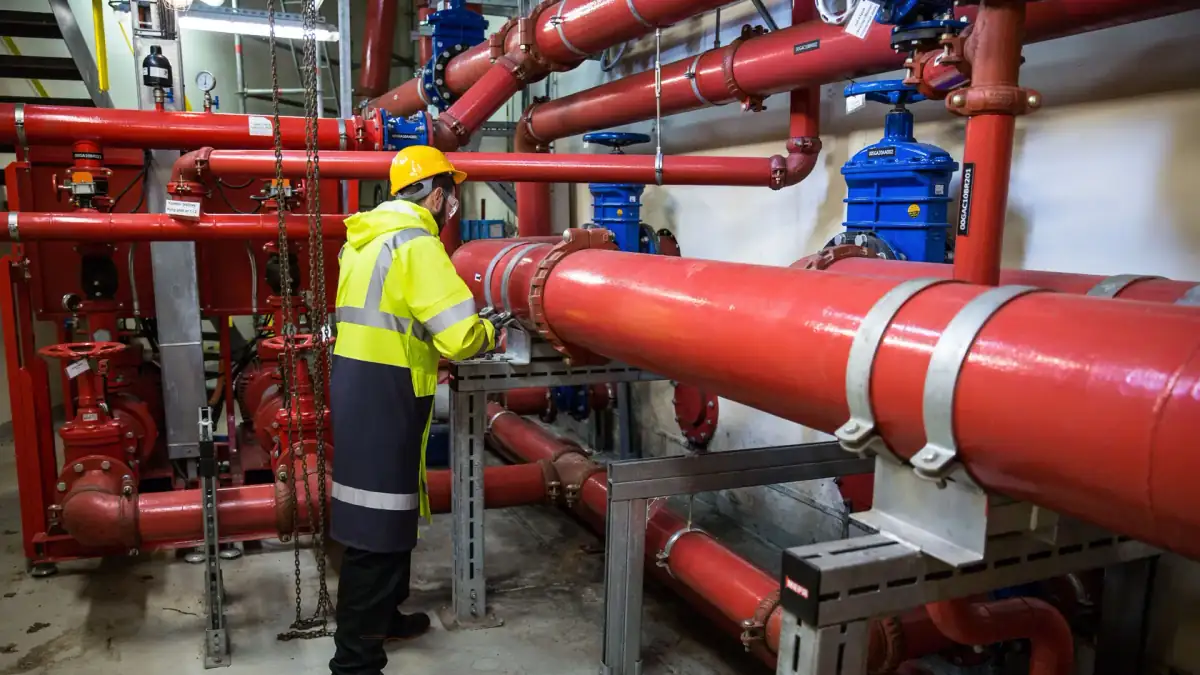
Pump installed with a non-return valve and fully sealed pipe connections
Moisture-rated cable routed clear of standing effluent and secured properly
Operating level set to prevent overflow and protect the pump from dry running
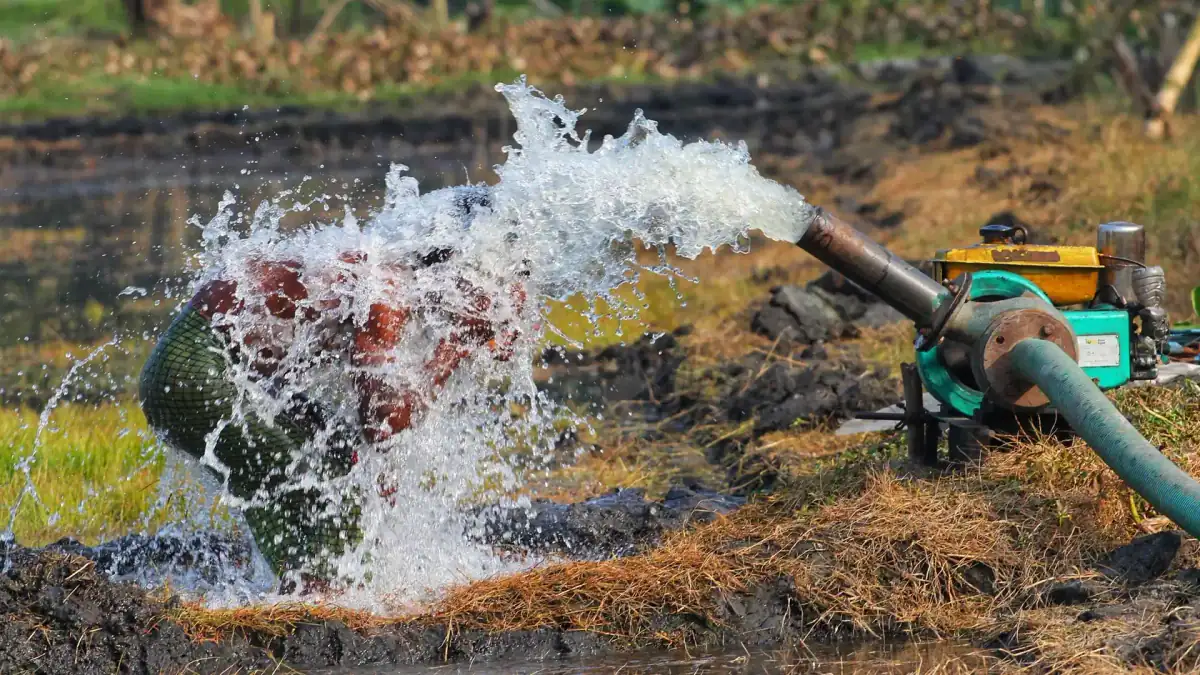
Pump run under real flow before handover to confirm correct discharge
Call or WhatsApp us and describe the fault and the pump location
We inspect the existing pump and run a camera down the discharge line
Correct pump capacity and type confirmed from inspection findings
Pump fitted with float switch, non-return valve and electrical cable secured
Pump run under live flow to confirm correct drainage before we leave
A persistent drain smell inside the building means the pump is leaving effluent in the line
Dirty water backing up at a basin or toilet when another fixture is in use
A pump that never shuts off usually has a stuck float or a failed non-return valve
Rising level in the pump pit points to reduced pump output or a blocked discharge line
Know where the pump pit sits so access and installation scope can be assessed quickly
Note whether the pump is dead, running constantly or if there is backflow at fixtures
Check whether a dedicated breaker serves the pump and whether it has tripped
If visible, note the discharge pipe diameter to help with correct replacement pump sizing
Part of Water pump install and service · All services · Back to the home page
No fixed price applies; these factors shape every quote for this service
Submersible sewage pumps vary in output rating and cost by load demand
A direct swap costs less than preparing a new pit location from scratch
A deteriorated or undersized discharge line may need partial replacement alongside the pump
Deep or confined pit locations increase working time and affect total cost
Emergency calls outside normal hours are priced differently from scheduled visits
Same method, same equipment. Only the size of the job changes.
Why us
Amana means trust. Someone else’s home is not ours to be careless in.
Do not take our word for it. Look at the work yourself.
The leak is marked before a single tile comes up.
A leak does not wait for the morning.
Six governorates, 139 areas.
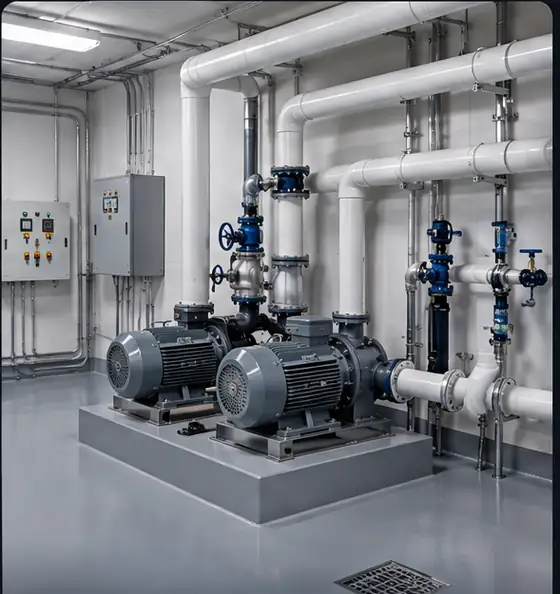
For buildings and complexes, servicing before the problem starts.
Restaurants, offices and complexes, not only homes.
Six governorates, 139 areas.
Common questions
Need someone now? The emergency line is open any hour.
+965 9668 4964
A sewage pump lifts effluent from a point that cannot drain by gravity into the main sewer or a higher drain line. A cesspit pump empties a sealed holding tank that is cleared periodically. The two differ in capacity, installation method and how they operate.
Overheating is the most common cause, usually from a blocked discharge line or an undersized pump working too hard. The built-in thermal protector trips, and the pump restarts once it cools. The underlying fault remains and needs proper diagnosis.
Yes, but it requires identifying the nearest sewer connection point, preparing a collection pit, and running a discharge line to the network. A camera inspection confirms where the tie-in can be made without unnecessary breaking of floors or walls.
An undersized pump runs constantly and never fully empties the pit. An oversized one short-cycles and stresses the pipe joints. Correct sizing checks the static head, the actual flow rate from the building, and matches both against the pump performance curve.
Sewage pumps handle effluent rather than supply water, but scale still builds on the non-return valve and can prevent it from seating correctly. Regular inspection of the valve stops backflow from loading the pump at rest.