Live pressure reading
Measuring cut-in and cut-out values before touching anything
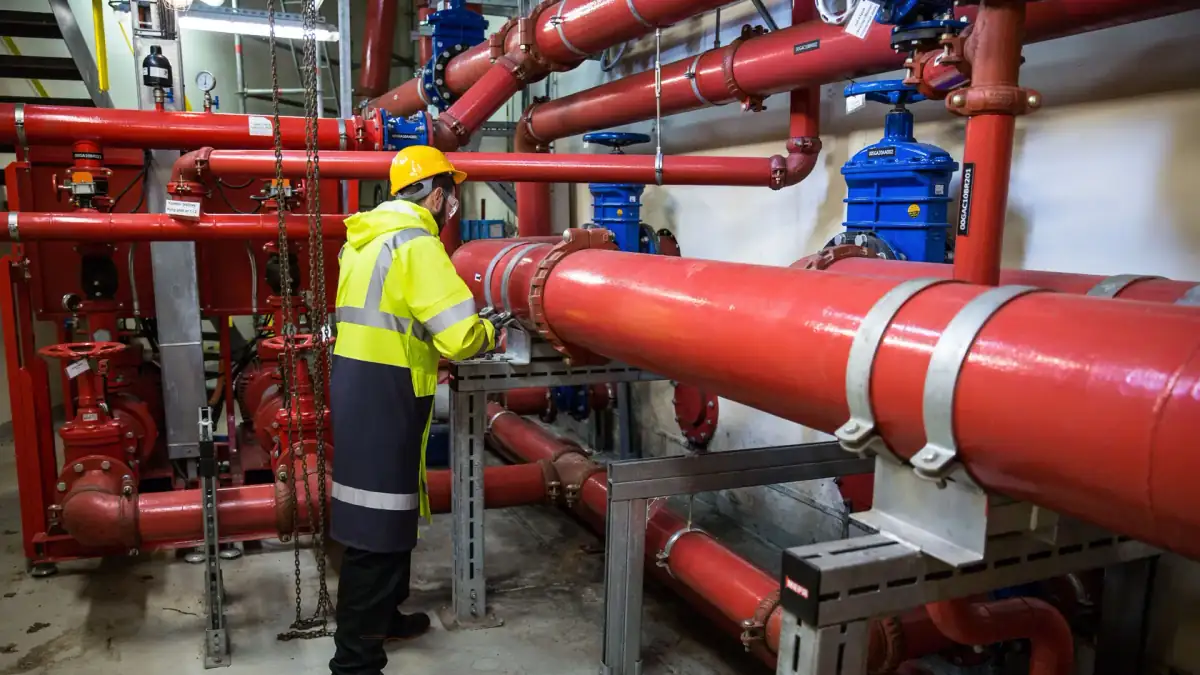
Water pump install and service
A faulty pressure switch causes rapid cycling or flat pressure; we adjust or replace it, check the expansion vessel and leave you with consistent flow.
Reading the switch, checking the vessel and setting the right cut-in and cut-out pressure
Measuring cut-in and cut-out values before touching anything
Testing the air bladder charge and refilling it if pressure is lost
Cleaning contacts or fitting a new switch matched to pump capacity
Calibrating both thresholds precisely to prevent rapid on-off cycling
Inspecting wiring and terminal resistance at both switch contacts
Running the pump and confirming stable pressure through a full cycle
Describe the pump behaviour; we agree a visit time with you
We record actual cut-in and cut-out pressures before touching anything
We inspect switch contacts and check the expansion vessel bladder charge
We repair or replace parts and set correct cut-in and cut-out values
We run a full pressure cycle with you present before leaving the site
The pump kicks in and stops every few seconds even when no tap is open
The tank level is fine but flow at fixtures is thin and uneven throughout the day
The pump never reaches the cut-out pressure and keeps running after demand stops
Opening a second tap causes a sudden pressure drop instead of steady shared flow
Reads actual cut-in and cut-out values before and after adjustment for accuracy
Holds a pressurised water volume that absorbs fluctuations and stops rapid cycling
Selected to match pump capacity so cut-in and cut-out thresholds hold under real load
Used to test bladder charge and refill it to the correct pre-charge pressure
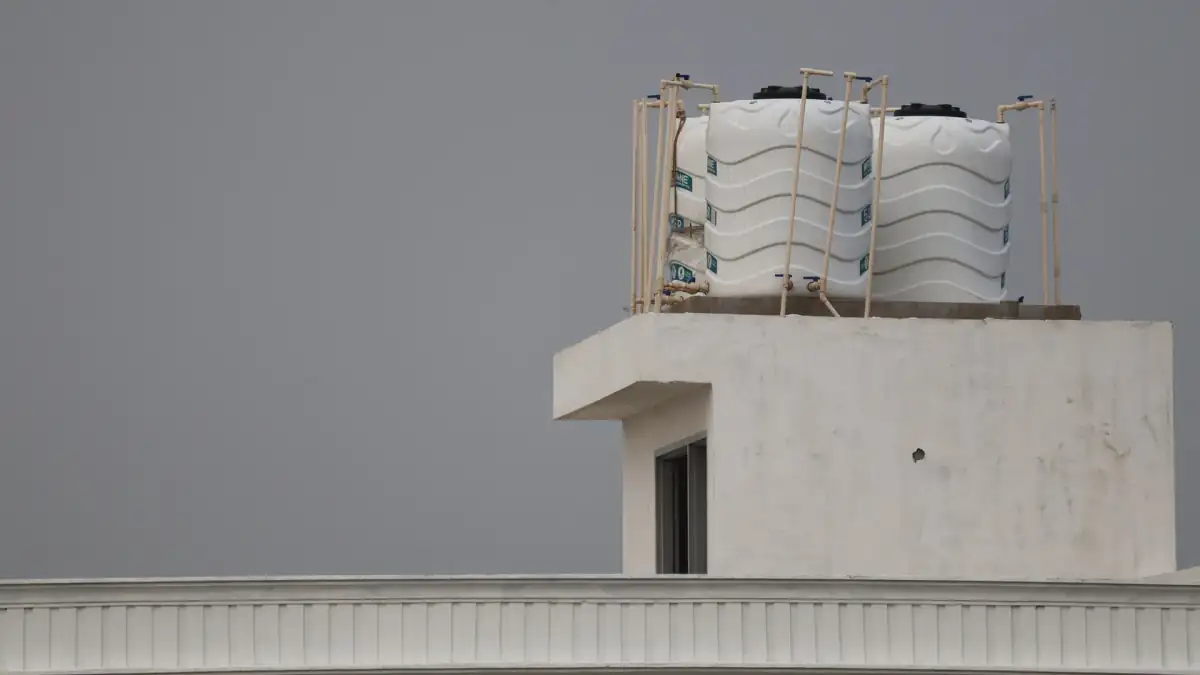

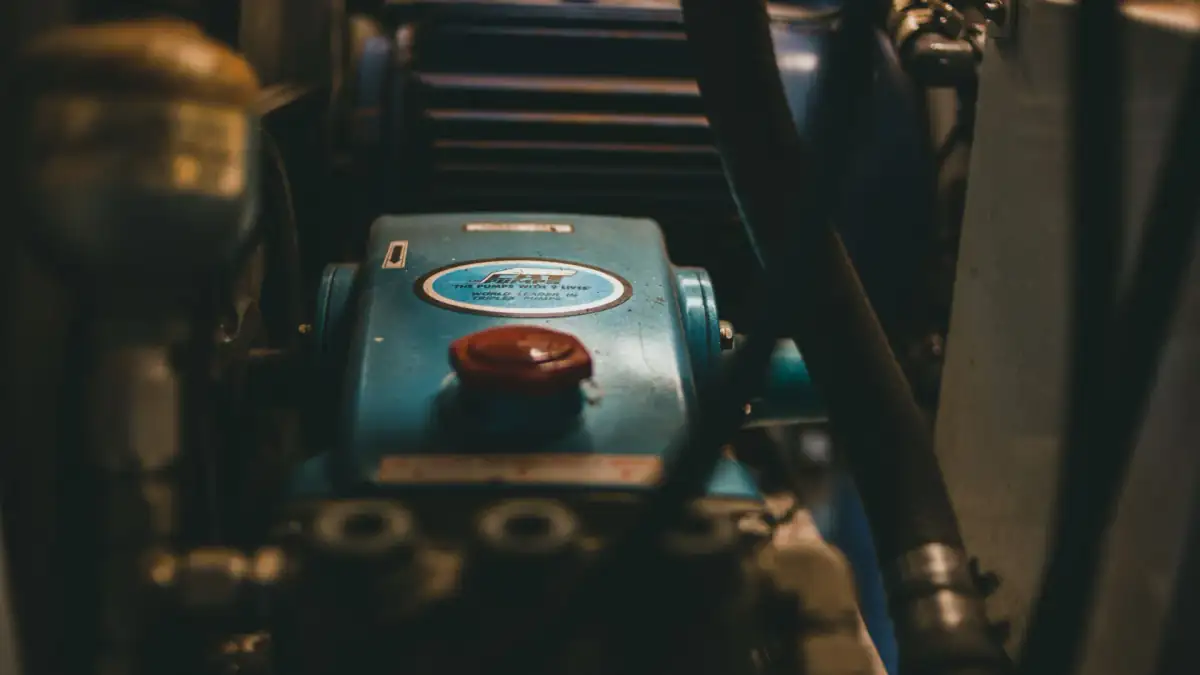
Part of Water pump install and service · All services · Back to the home page
No fixed price list applies; these factors shape the final quote for each job
Calibrating the existing switch costs less than supplying a new switch and vessel
A ruptured bladder requires a full vessel replacement, not just re-pressurising
High-pressure pumps require rated switches that carry a higher component cost
Switches inside sealed panels or on rooftops add labour time to the visit
Evening and urgent call-outs affect travel and availability costs
Same method, same equipment. Only the size of the job changes.

Why us
Amana means trust. Someone else’s home is not ours to be careless in.
Do not take our word for it. Look at the work yourself.
The leak is marked before a single tile comes up.
A leak does not wait for the morning.
Six governorates, 139 areas.
For buildings and complexes, servicing before the problem starts.
Restaurants, offices and complexes, not only homes.
Six governorates, 139 areas.
Common questions
Need someone now? The emergency line is open any hour.
+965 9668 4964
In many cases yes. A mechanical switch has an adjustment screw that we set to the correct threshold if the contacts are undamaged. Burnt contacts or a failed diaphragm inside the switch make replacement the safer choice.
The most common cause is the expansion vessel. If the bladder loses its air charge or tears, there is no pressure buffer and cycling returns. Fixing the switch without checking the vessel only delays the same fault.
Yes. The small port that exposes the switch diaphragm to line pressure can block with scale, causing the switch to read low and never reach cut-out. Periodic cleaning of that port prevents this specific fault.
Yes in specification. Pressure-boosting pumps operate at higher thresholds and require switches rated for those values. Fitting an undersized switch causes cycling or stops the pump before it reaches the pressure your fixtures need.
If the pump motor runs normally without unusual noise or leaking, the switch and vessel are the first suspects. Replacing the whole pump without diagnosing the switch costs more and may not fix the original fault.