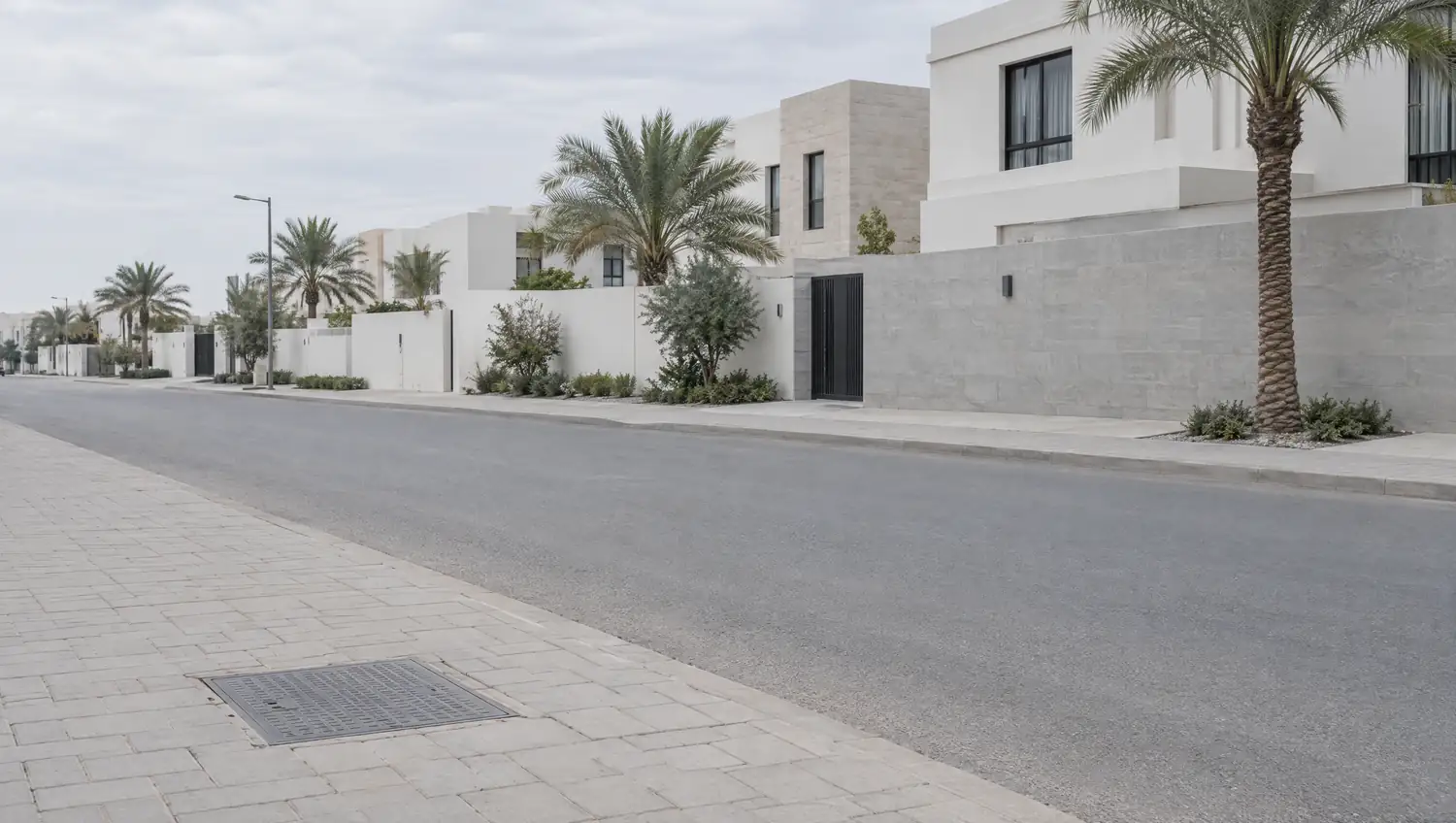
Tank and line check
Tank size and pipe run checked before any pump is chosen
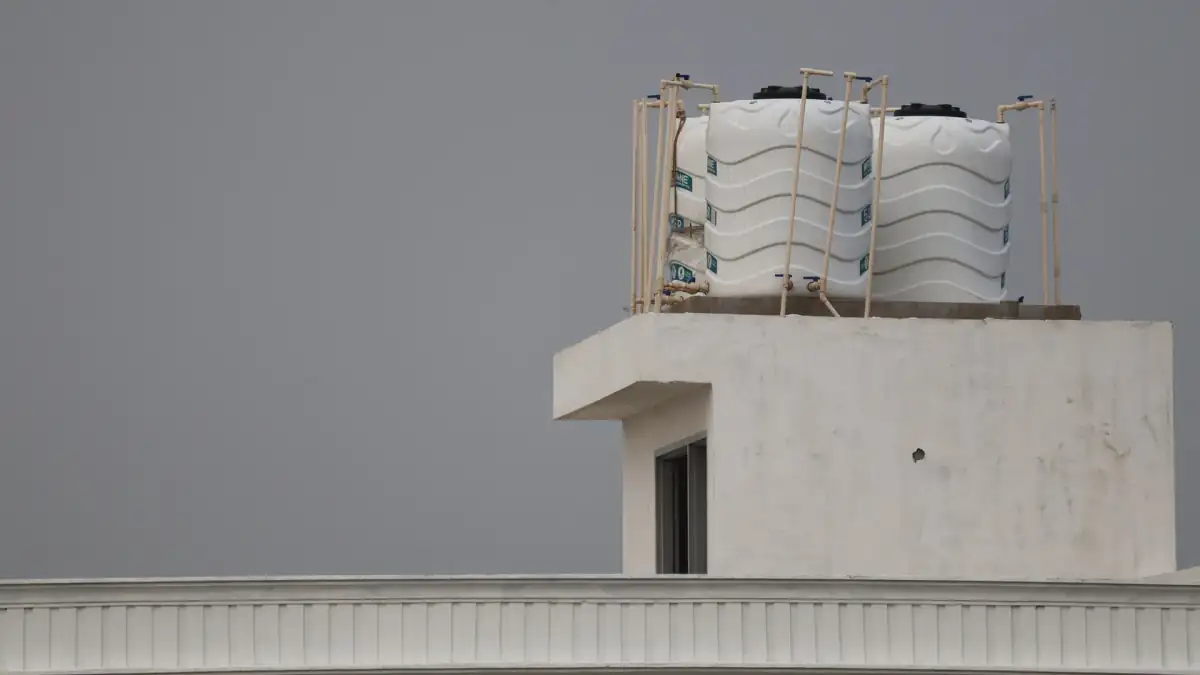
Assessing the tank and line, selecting, fitting and testing the pump fully
Tank size and pipe run checked before any pump is chosen
Type and capacity matched to actual tank height and demand
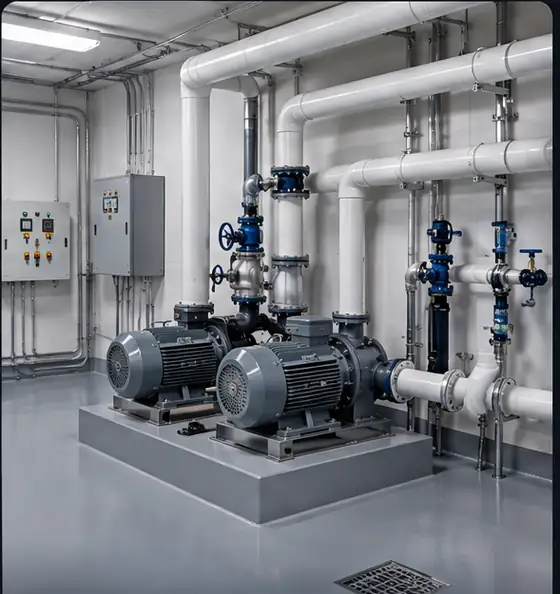
Pump seated on isolation pads to stop vibration reaching the structure
Inlet and discharge lines fitted with non-return and isolation valves
Outlet pressure measured and confirmed stable under normal fixture load
All joints inspected for leaks before the job is signed off
Describe the fault and confirm the roof-tank location when you call
Technician inspects the tank, pipe run and existing pump if present
Clear price covering pump, fittings and valves given before work starts
Pump mounted on isolation pads and inlet and outlet lines connected
Pump run, pressure measured and all joints checked before sign-off
Handles roof heat and high mineral content without corroding or scaling internally
Absorb motor vibration so noise and stress do not travel down through the slab
Stops backflow on shutdown, protecting the pump impeller from water hammer
Applied on metal pressure fittings to resist the constant vibration a running pump produces
Excess pressure stresses joints and causes water hammer that damages pipe connections over time
Vibration builds up in the structure, loosening pressure joints and creating constant noise for occupants
Future servicing forces a full line drain instead of simply isolating the pump alone
Scale and rust debris from old pipes enter the new pump and damage the impeller quickly

Part of Water pump install and service · All services · Back to the home page
No fixed price list applies; these factors shape the quote for each specific job
Multi-stage or higher-capacity units cost more than a single-stage model
Corroded iron pipes may need partial replacement before the pump is fitted
A crowded or hard-to-reach rooftop adds labour time and affects the overall cost
Non-return valve, isolation valves and pressure gauge are each priced separately
Calls outside standard working hours are priced differently from daytime visits
Same method, same equipment. Only the size of the job changes.

Why us
Amana means trust. Someone else’s home is not ours to be careless in.
Do not take our word for it. Look at the work yourself.
The leak is marked before a single tile comes up.
A leak does not wait for the morning.
Six governorates, 139 areas.
For buildings and complexes, servicing before the problem starts.
Restaurants, offices and complexes, not only homes.
Six governorates, 139 areas.
Common questions
Need someone now? The emergency line is open any hour.
+965 9668 4964
If the tank is full but pressure is weak, the pump is the first suspect. A technician measures pressure before and after the pump to confirm whether the fault is in the pump itself or elsewhere in the line.
It depends on motor and impeller condition. Scale-worn impellers and electrical winding faults can sometimes be repaired, but a cracked housing or damaged shaft usually makes replacement the more practical choice.
The most common cause is mounting directly on a hard surface without vibration-isolation pads. The pump motor then transmits noise through the roof slab to the floors below.
Yes. A complex typically needs higher-capacity pumps and a pressure-balancing setup to serve multiple floors, and scheduling has to account for occupied units during the work.
Yes. Scale builds on the impeller and filter screen, reducing flow and raising operating temperature over time. Flushing the line and fitting an inlet strainer at installation helps protect the pump considerably.