Bathroom plumbing
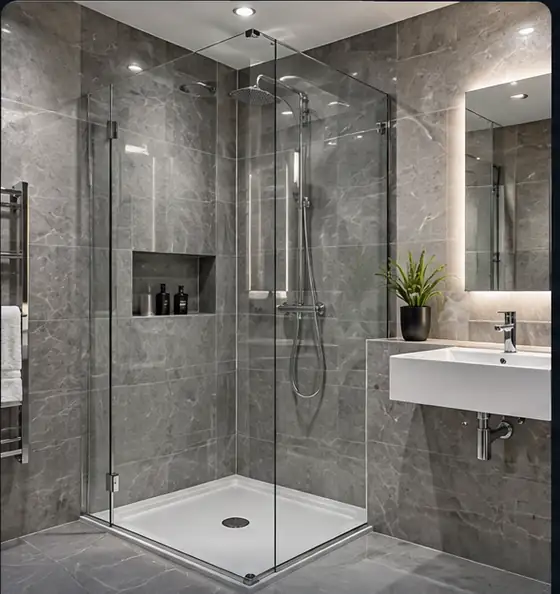
Supply and drain lines to all bathroom fixtures and outlets
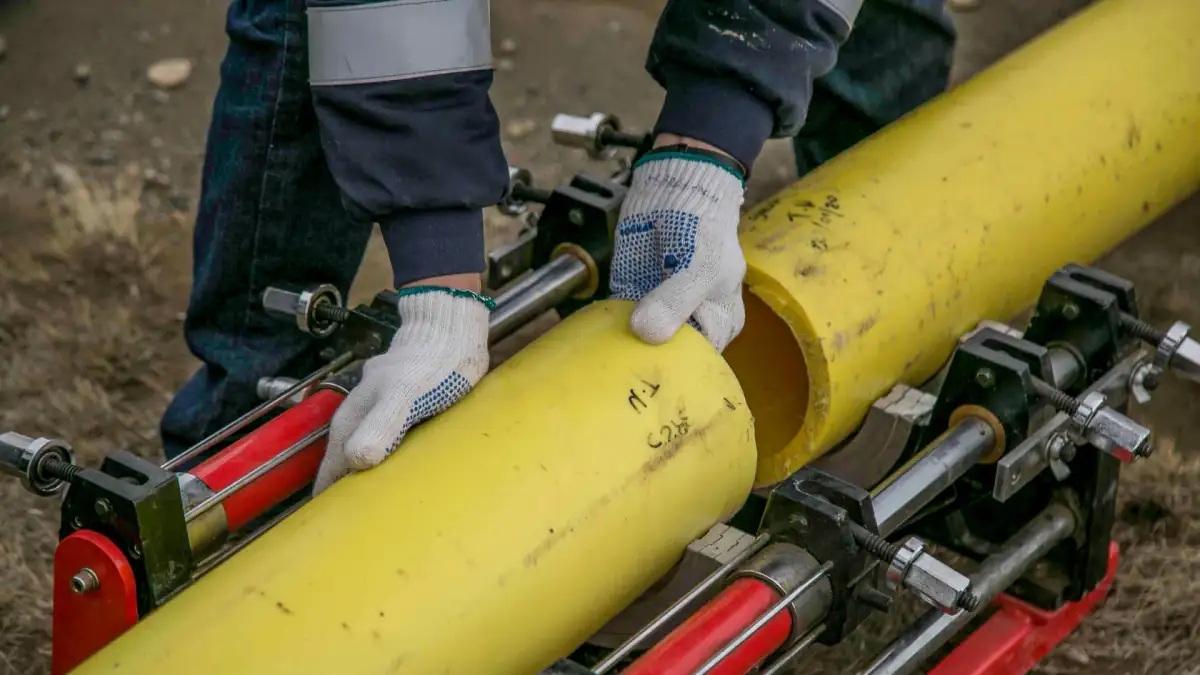
Supply and drain pipe runs for bathrooms, kitchens and whole-building plumbing networks
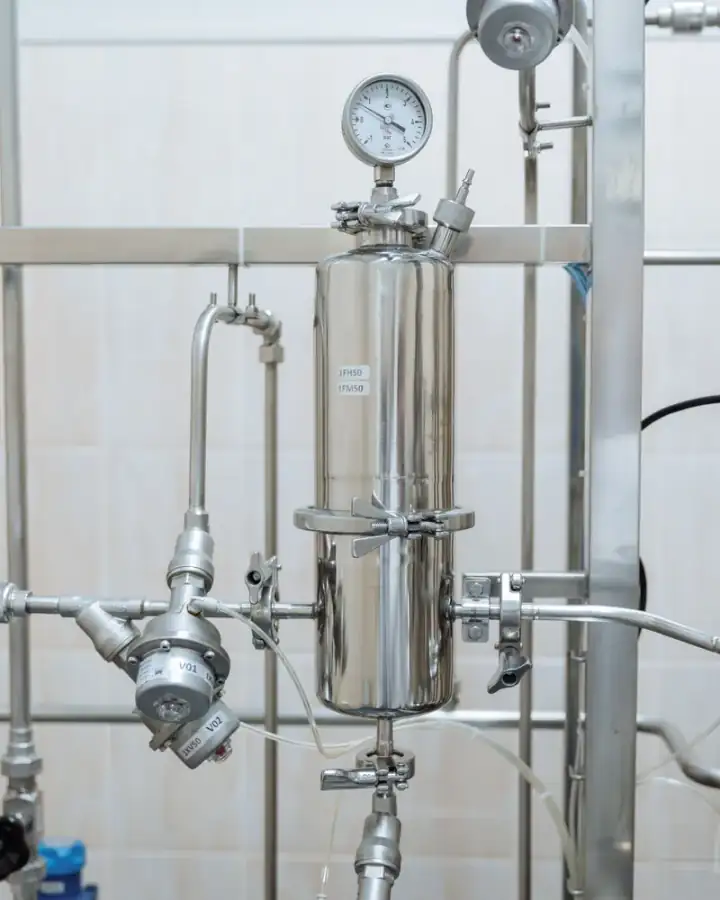
Supply and drain lines to all bathroom fixtures and outlets
Hot and cold supply lines and drain runs under the sink
Flexible PEX runs that handle Kuwait's high ambient temperatures well
Setting correct fall angles to prevent sediment buildup and early blockages
Isolation valves on every circuit so future repairs do not shut the whole building
Pressurising the network before plastering to catch any joint failure early
Call or WhatsApp us to describe the installation scope needed
Technician visits to measure routes and assess network requirements
Pipe types are agreed and the run layout is drawn before any work starts
Pipes are laid and pressure-tested before any wall is closed
Owner reviews the completed network with the technician before finishing
Too shallow a gradient lets scale and grease settle and blocks the line faster than expected
Narrow pipe bores drop pressure the moment two or more outlets run at the same time
Swapping connections damages mixers and pressure pumps and reverses flow direction
Covering pipes without a pressure test turns a small joint leak into a full wall opening later
Knowing where each fixture sits lets pipe runs be planned with the least hidden bends
Tile, plaster or exposed finish changes how deep the pipes need to be set in the wall
Knowing where the main isolation valve is prevents water running loose during work
Any previous plumbing drawings reduce exploratory breaking and speed up the survey visit
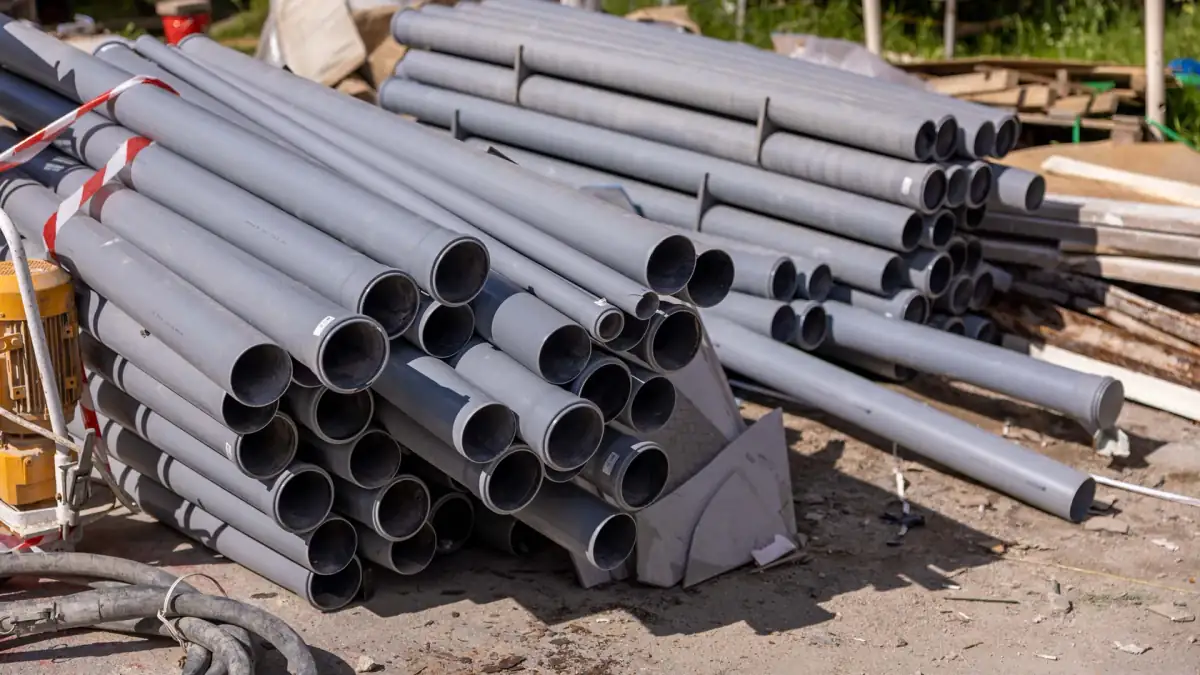
The work starts with mapping pipe routes before any wall is opened, taking into account fixture positions and the level of the building's main drain stack. Supply pipe diameters are chosen to keep pressure steady when several outlets run together, a point that is often skipped in larger apartments. PPR and PEX are the common choices in Kuwait because both handle the heat that builds in roof tanks and exposed pipe sections during summer.
Drain runs are laid at a calculated fall; too shallow and Kuwait's mineral-heavy water leaves scale deposits that gradually narrow the line. Hot and cold supply lines are each given their own isolation valve so any single circuit can be shut without cutting water from the whole flat. In PEX network installations, press-fit connections are used rather than heat welding, reducing the risk of joint failure at connection points.
Before any wall or floor is closed, the network is pressure-tested to catch any leak while it is still easy to reach. A camera run through the drain lines after installation confirms that no joint has collapsed inward and that gradients hold throughout the run. This double check before plastering is the difference between a pipe network that serves the building for many years and one that requires reopening far too soon.
Part of Plumbing and sanitary works · All services · Back to the home page
No fixed rate applies; the quote depends on the specific conditions of each job
Number of bathrooms, kitchens and total pipe run length directly affects the quote
PEX, PPR and other pipe types differ in material cost and installation complexity
Opening walls or floors and making good after adds to the overall installation cost
Quantity of isolation valves, bends and tee fittings required affects the total
Pipes in low ceilings or confined spaces take longer and raise labour cost
Same method, same equipment. Only the size of the job changes.

Why us
Amana means trust. Someone else’s home is not ours to be careless in.
Do not take our word for it. Look at the work yourself.
The leak is marked before a single tile comes up.
A leak does not wait for the morning.
Six governorates, 139 areas.
For buildings and complexes, servicing before the problem starts.
Restaurants, offices and complexes, not only homes.
Six governorates, 139 areas.
Common questions
Need someone now? The emergency line is open any hour.
+965 9668 4964
Both handle Kuwait's heat and resist mineral scale. PPR is heat-welded and suits fixed runs inside walls; PEX is flexible, uses press-fit connections and works well in long runs or tight access spaces.
In most cases yes, but alternative routes through more accessible areas can reduce the amount of breaking needed. The survey visit determines the best approach for each situation.
Any joint that is not fully sealed will only show after plastering, which means reopening the wall at far greater cost. Testing while pipes are still exposed catches the problem before it is buried.
Yes, PEX flexibility reduces the number of joints needed and allows the pipe to be threaded through narrow routes, which limits the area that needs to be opened and cuts the time the water is off.
A laser or spirit level is used to confirm the fall before any section is buried. After installation, flushing a large volume of water through the drain line reveals any sluggishness that points to an incorrect gradient.
Yes, an isolation valve is fitted to each supply circuit so any single outlet can be shut off without cutting water to the rest of the flat or building.